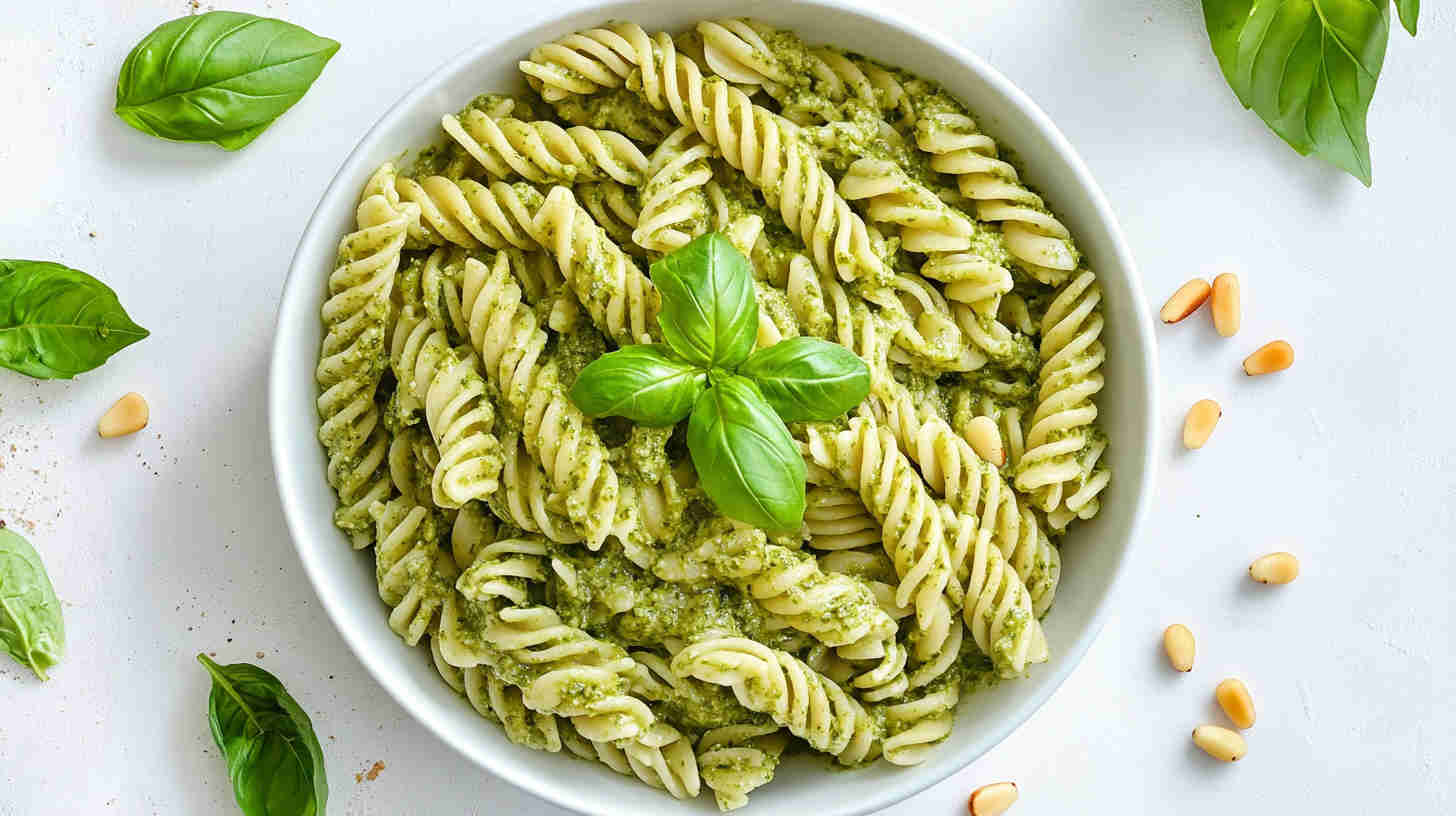
Italian Pesto Pasta with Pine Nuts Recipe
This authentic Italian pesto pasta features homemade basil pesto bursting with fresh basil, garlic, pine nuts, and Parmesan. Tossed with perfectly cooked pasta and extra toasted pine nuts, it delivers bright, herbaceous flavors with a nutty crunch. Simple, elegant, and ready in under 30 minutes—pure Italian comfort.
Why You’ll Love This Recipe:
You’ll absolutely adore this recipe because it captures the true essence of Liguria’s iconic pesto alla Genovese—vibrant, no-cook sauce that’s incredibly fresh and aromatic. The combination of fragrant basil, creamy Parmesan, and buttery toasted pine nuts creates a luxurious yet light dish that feels gourmet without much effort.
It’s quick to prepare, uses minimal ingredients, and delivers restaurant-quality flavor at home. Perfect for busy weeknights or impressing guests, it’s naturally vegetarian (easily vegan-adaptable), and the leftovers taste even better as flavors meld. Every bite is a celebration of summer herbs and Italian simplicity!
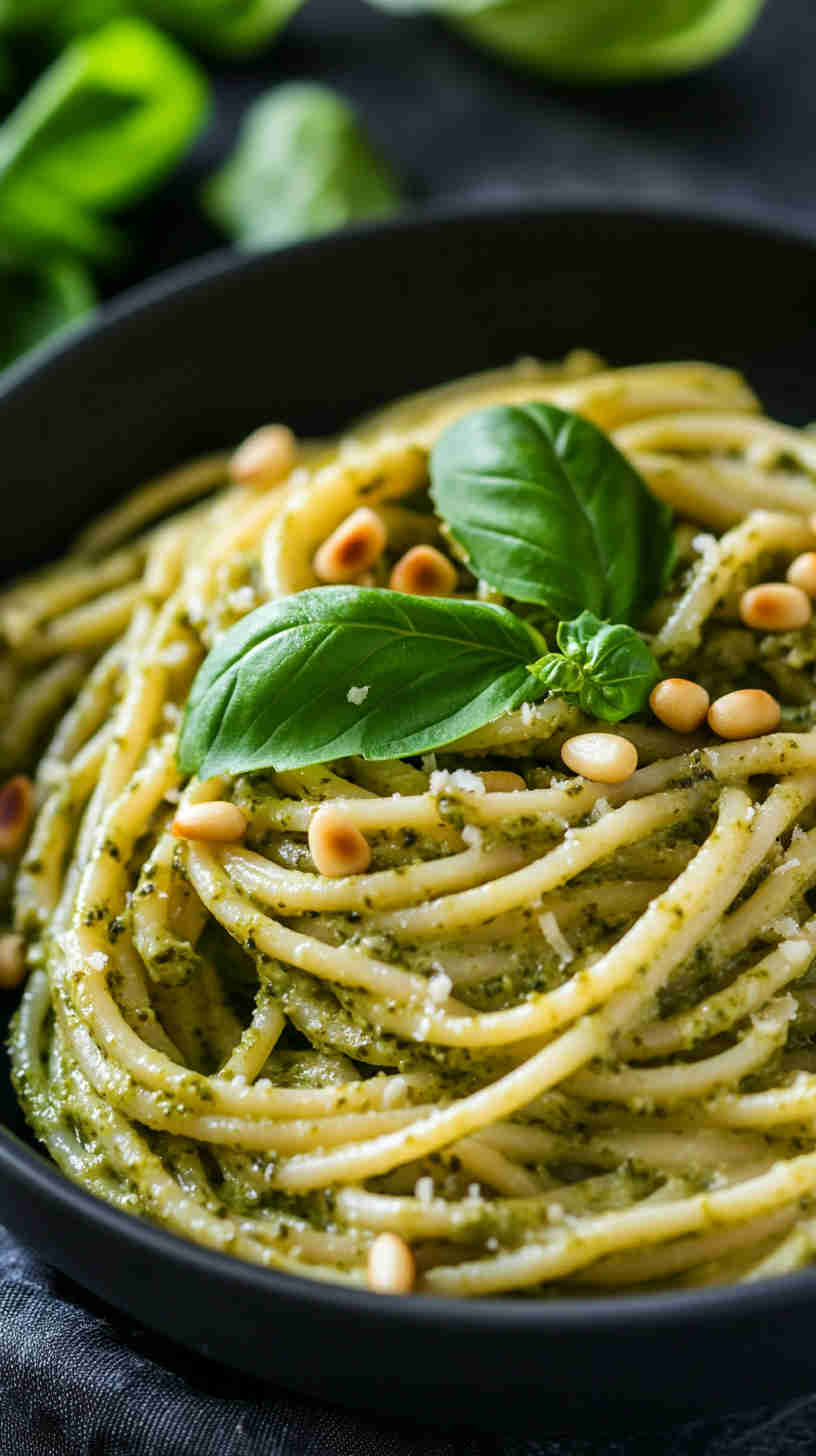
Italian Pesto Pasta with Pine Nuts Recipe
Ingredients
Method
- Start by toasting the pine nuts for that irresistible nutty aroma—place ½ cup pine nuts in a dry skillet over medium heat. Stir frequently for 3-5 minutes until golden and fragrant. Set aside to cool (reserve extra ¼ cup for garnish if desired).
- Boil the pasta water generously salted (like the sea!) in a large pot—this seasons the pasta perfectly.
- Make the pesto magic—in a food processor or mortar and pestle, add garlic, a pinch of salt, and cooled pine nuts. Pulse or grind into a coarse paste.
- Add the basil—toss in the fresh basil leaves and pulse gently (or grind in circular motions) until it forms a bright green paste—don’t over-process to keep the texture lively!
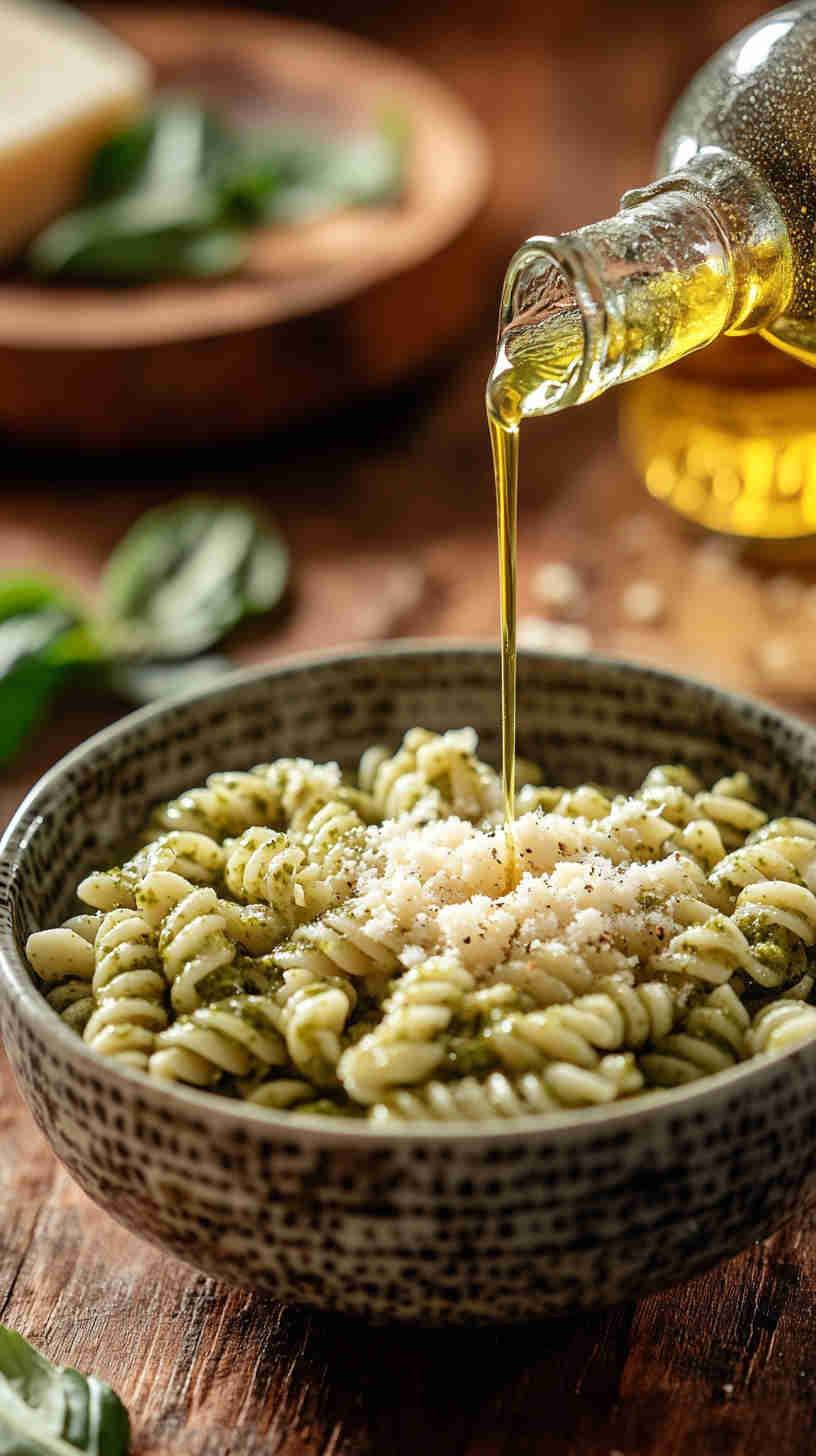
- Drizzle in the goodness—slowly pour in the olive oil while pulsing, creating a smooth, glossy pesto.
- Cheese time—stir in the grated Parmesan and Pecorino until creamy and well combined. Taste and adjust salt—cheese adds plenty of savoriness!
- Cook the pasta al dente according to package instructions—about 8-10 minutes.
- Reserve the liquid gold—before draining, scoop out 1 cup of starchy pasta water.
- Combine everything—drain pasta and toss in a large bowl with the pesto off the heat. Add pasta water gradually (start with ½ cup) to create a silky sauce that clings beautifully.
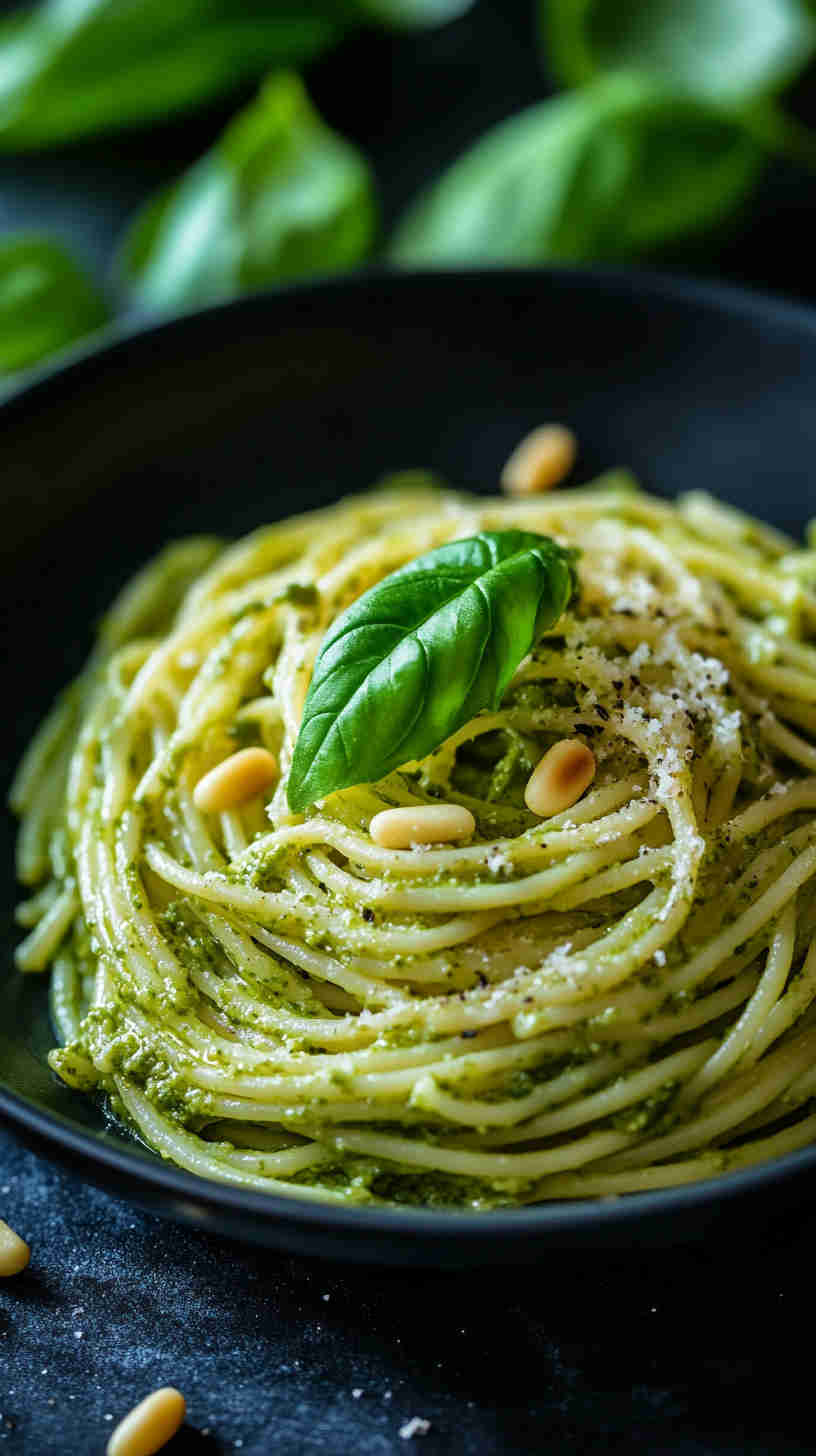
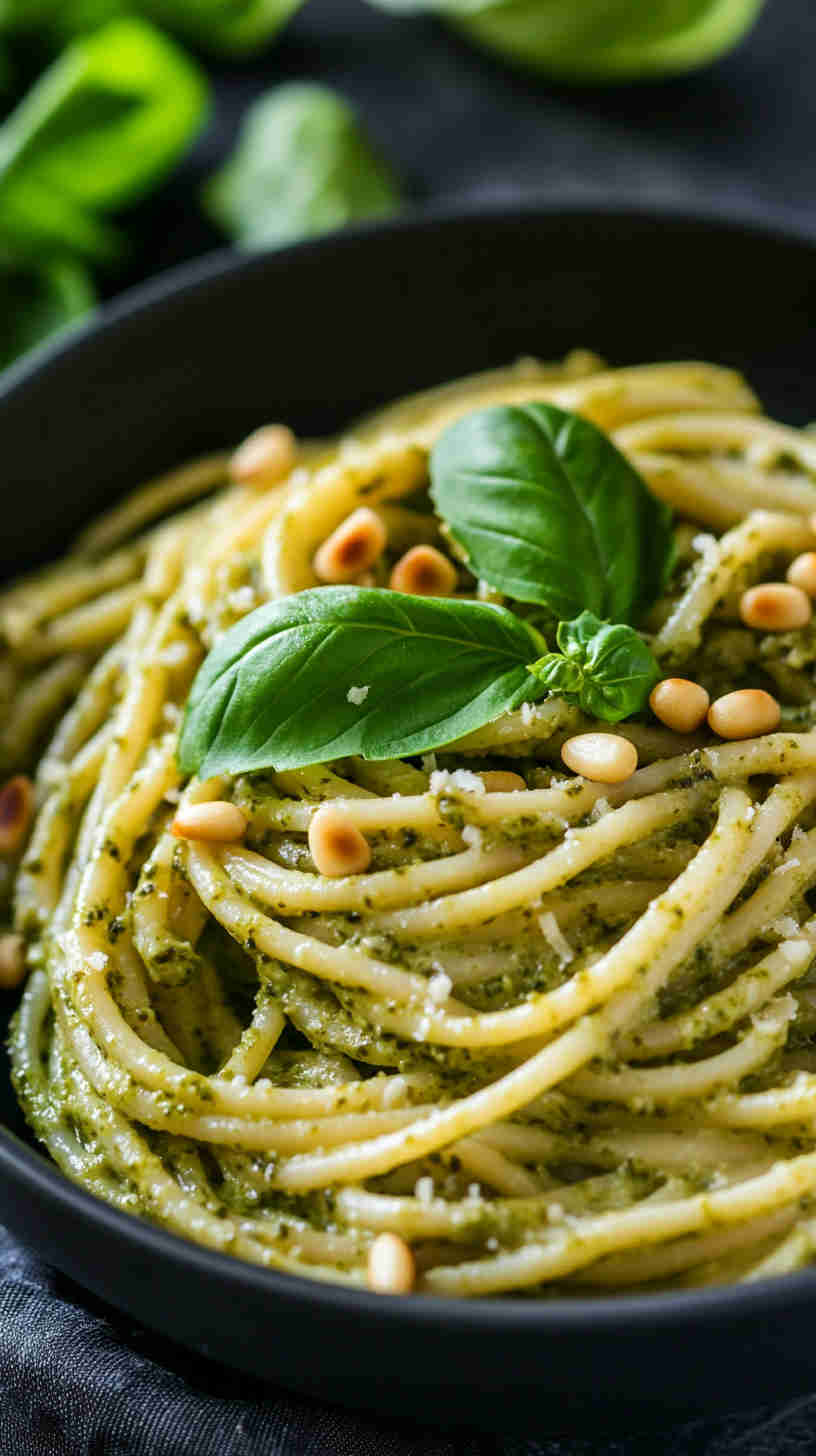
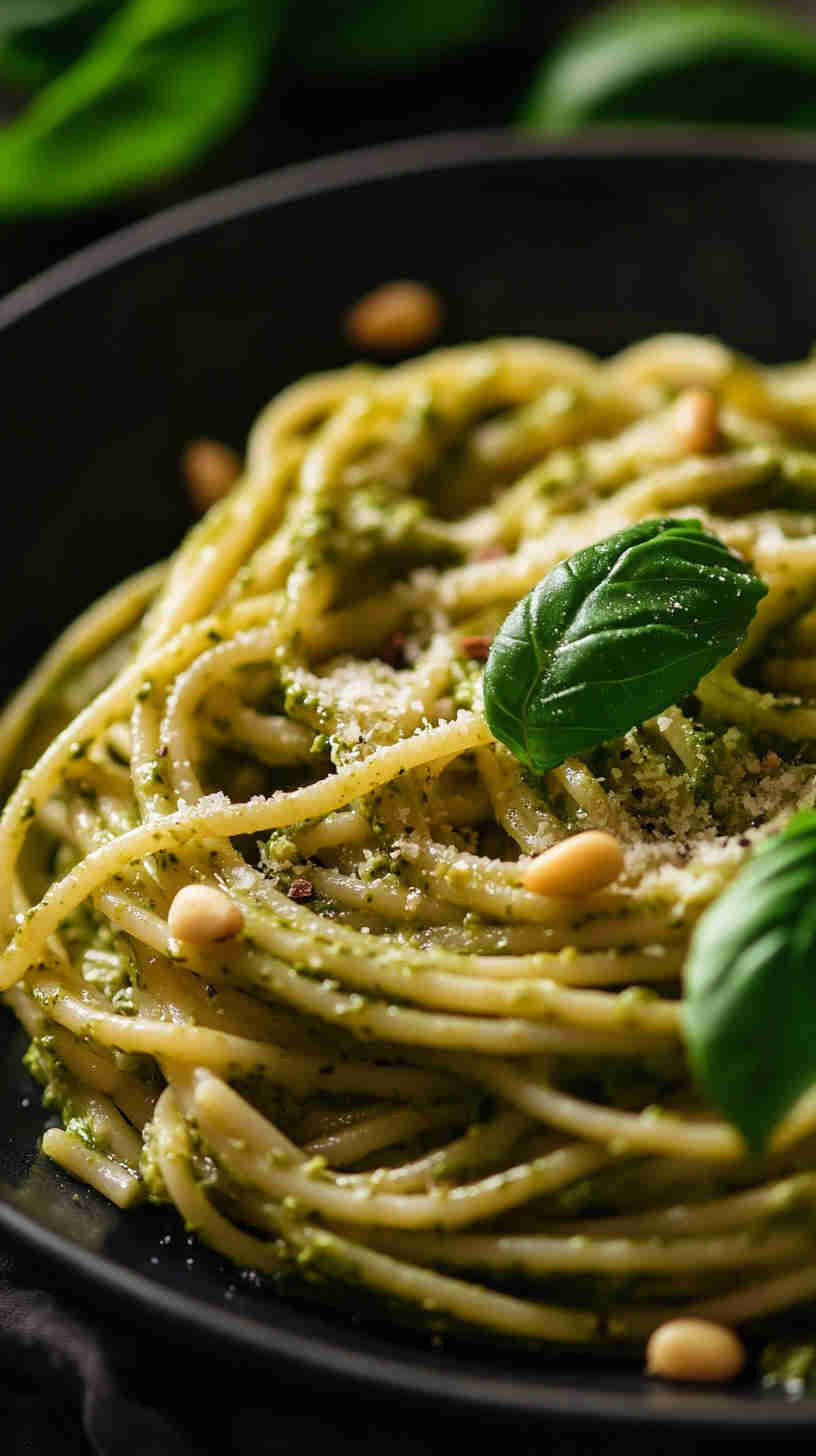
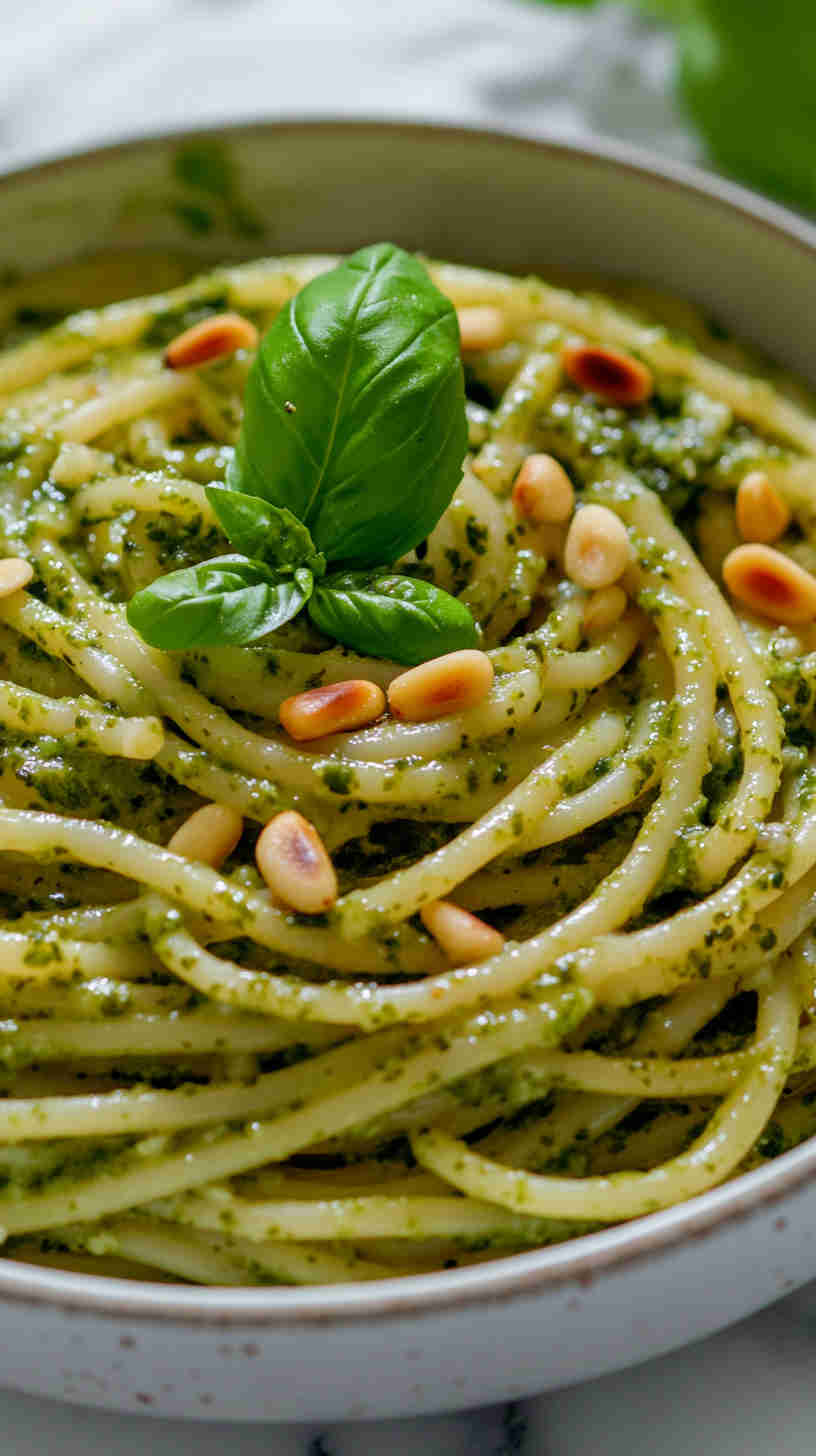
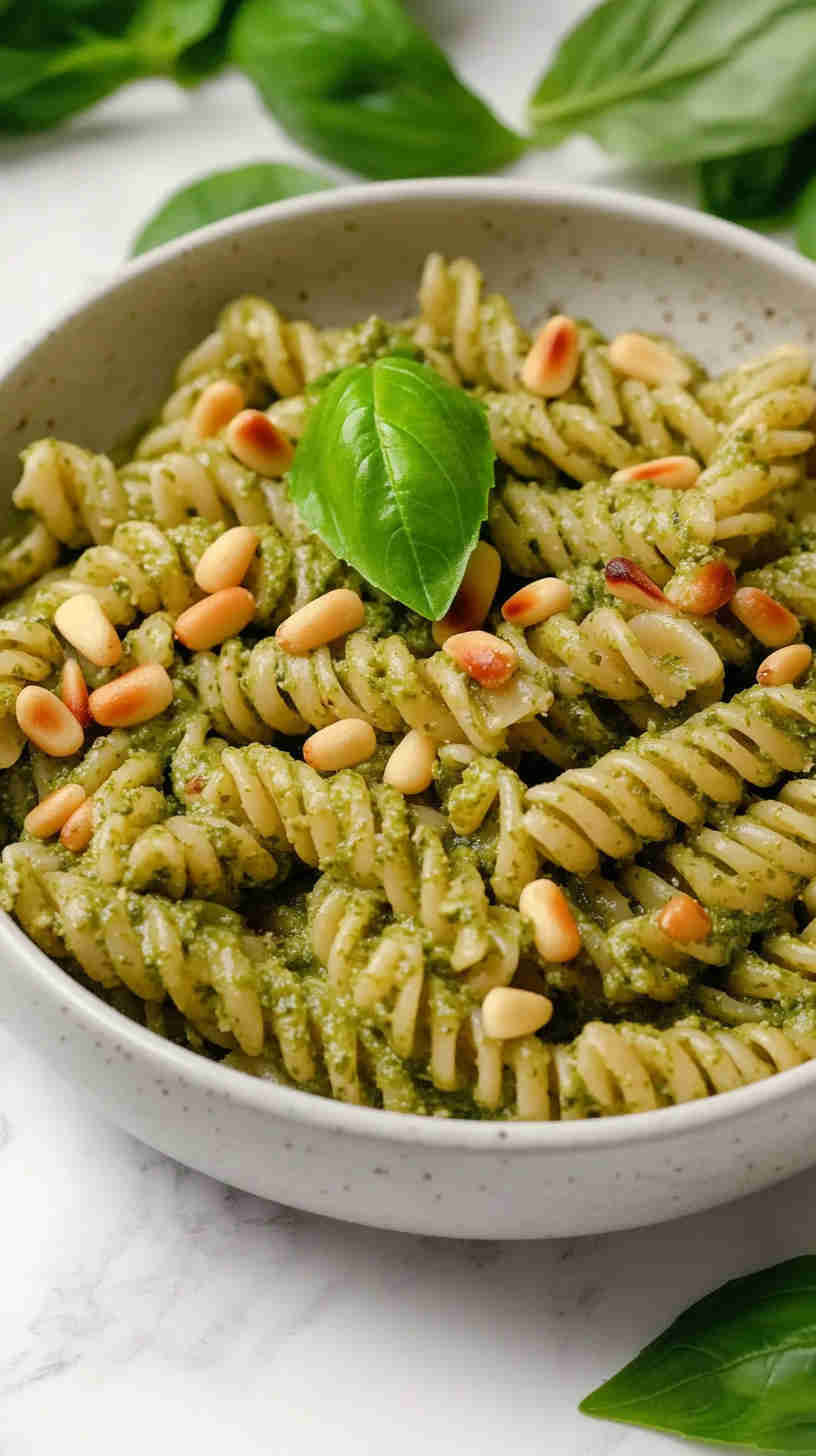
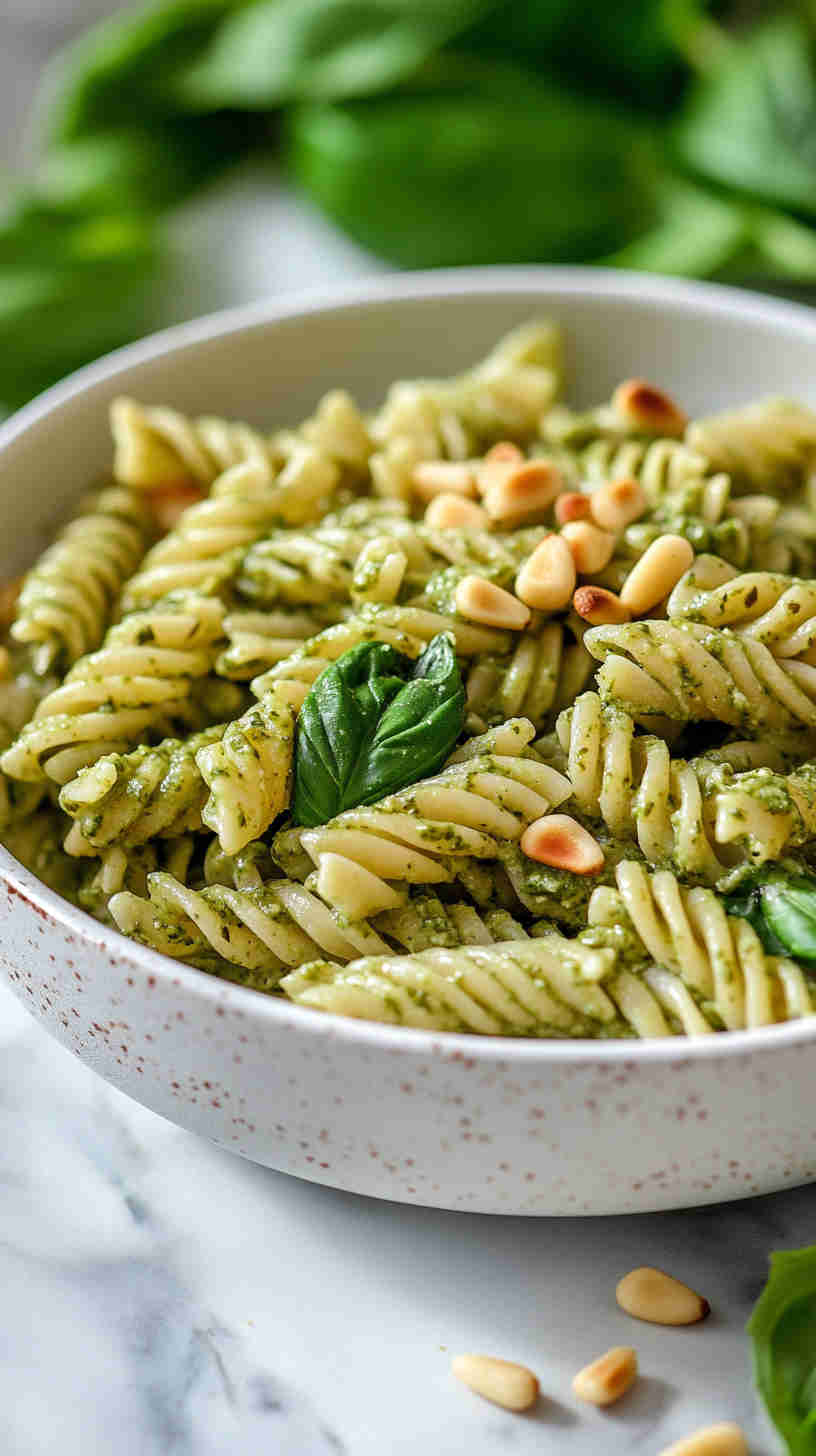
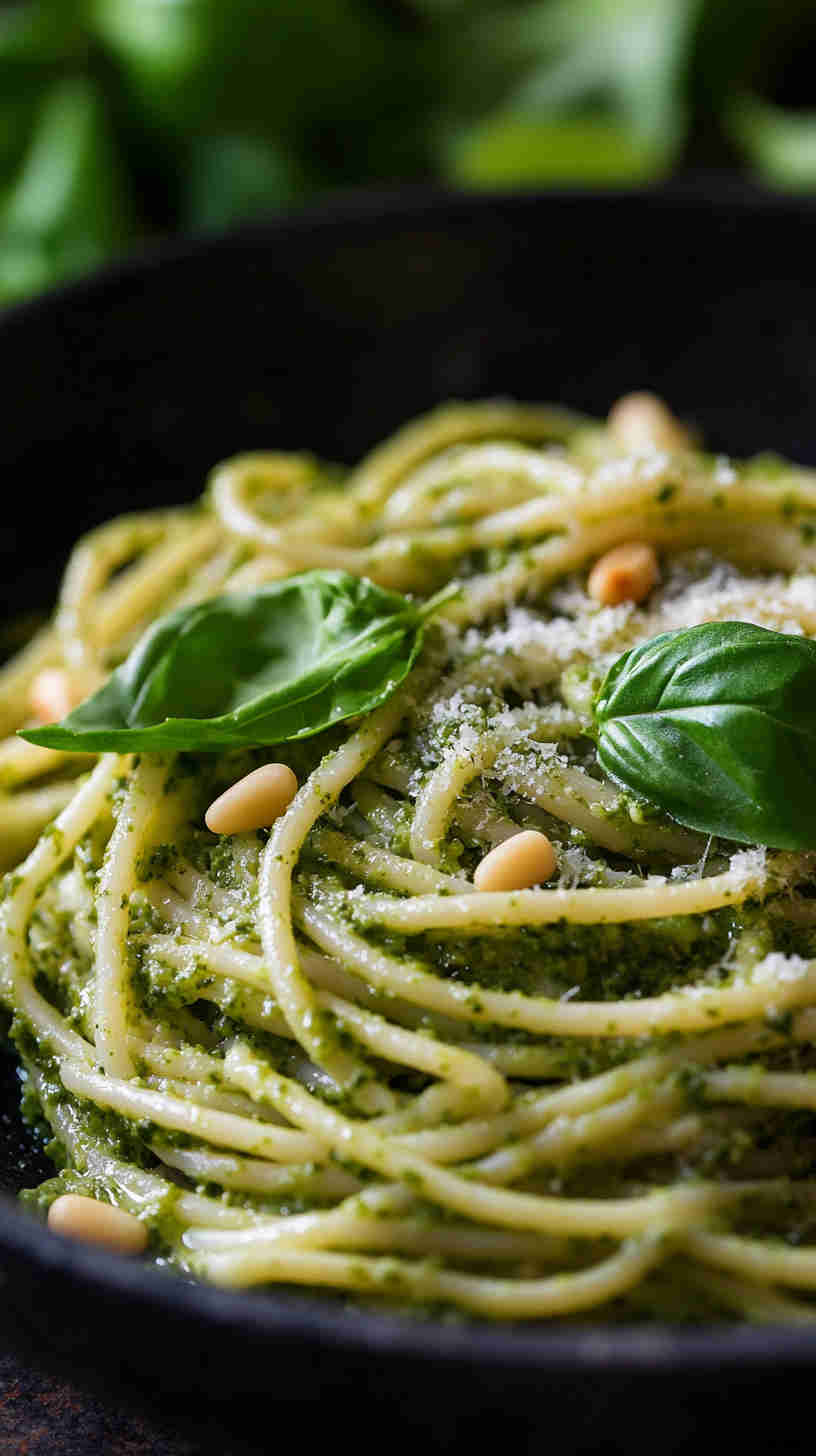
- Finish with flair—top with extra toasted pine nuts, a sprinkle of Parmesan, and fresh basil leaves. Serve immediately and savor every herby, nutty bite!
Notes
- For traditional Genovese style, add boiled potatoes and green beans to the pasta water in the last few minutes of cooking.
- Pesto is best fresh but freezes wonderfully in portions!
Recipe Tips and Tricks:
- Use fresh, young basil leaves for the brightest color and flavor—avoid large, tough stems.
- Toast the pine nuts lightly for enhanced nuttiness, but watch closely to prevent burning.
- Reserve plenty of pasta cooking water; it emulsifies the pesto into a silky sauce.
- Mix the pesto with warm pasta off the heat to keep the basil vibrant and prevent blackening.
- For the most authentic texture, use a mortar and pestle instead of a food processor.
- Always grate cheese fresh for better melting and taste.
Ingredients Notes:
Fresh basil leaves are the star—opt for Genovese or sweet Italian varieties for that classic peppery-sweet aroma. Pine nuts provide a creamy, buttery richness; toasting them intensifies their flavor.
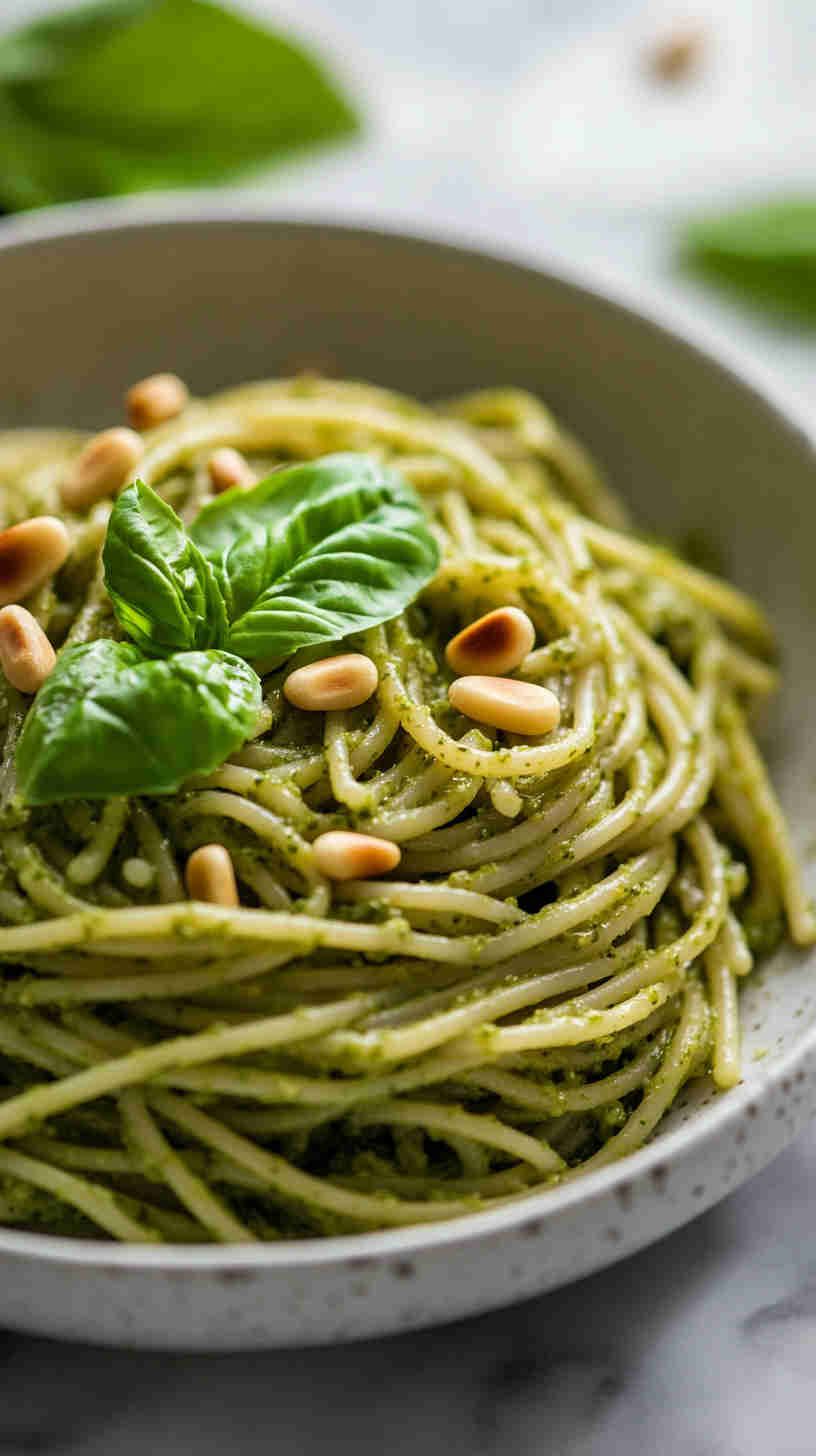
Garlic adds a subtle kick—use 1-2 cloves to avoid overpowering the herbs. Parmesan (Parmigiano-Reggiano) and Pecorino (or just Parmesan) bring salty, umami depth. Extra-virgin olive oil should be high-quality and mild to let the basil shine. Coarse sea salt helps release flavors during grinding. Pasta like spaghetti, linguine, trofie, or trenette works best, as their shapes hold the sauce beautifully.
Variations and Substitutions:
For a nut-free version, swap pine nuts with sunflower seeds or pumpkin seeds. If pine nuts are too expensive, use walnuts, almonds, or pistachios for a different nutty twist. Make it vegan by omitting cheese or substituting with nutritional yeast and vegan Parmesan.
Add protein like grilled chicken, shrimp, or cherry tomatoes for extra heartiness. Include traditional Ligurian additions like boiled potatoes and green beans for a complete meal. For a creamy version, stir in ricotta or heavy cream. Spice it up with red pepper flakes or lemon zest for brightness.
Storage Options:
Store leftover pesto pasta in an airtight container in the refrigerator for up to 3-4 days. Do not reheat—enjoy at room temperature to preserve the basil’s color and flavor. For the pesto sauce alone, store in a jar topped with a thin layer of olive oil in the fridge for up to 1 week, or freeze in ice cube trays for up to 3 months (thaw in the fridge before use).
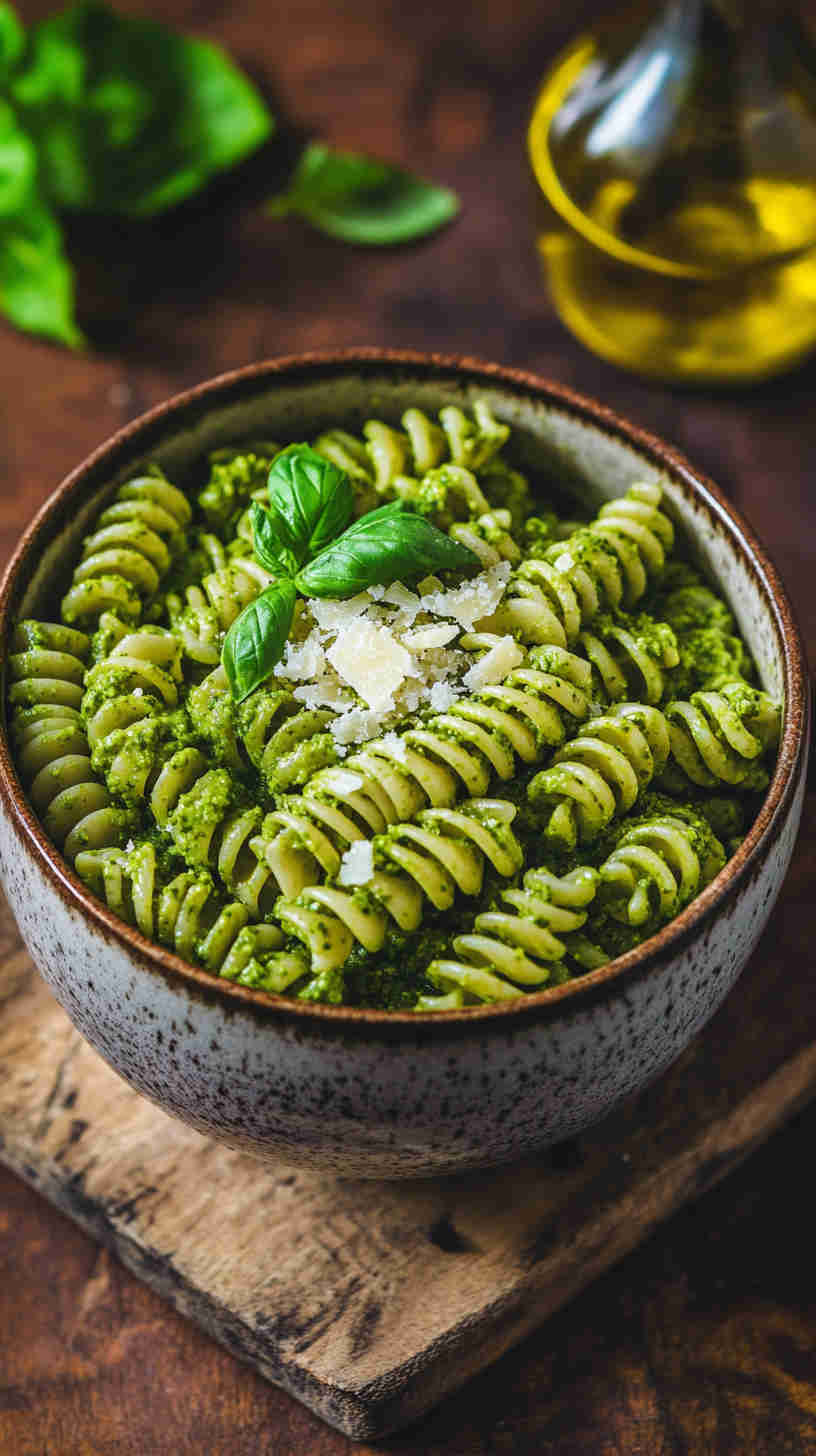
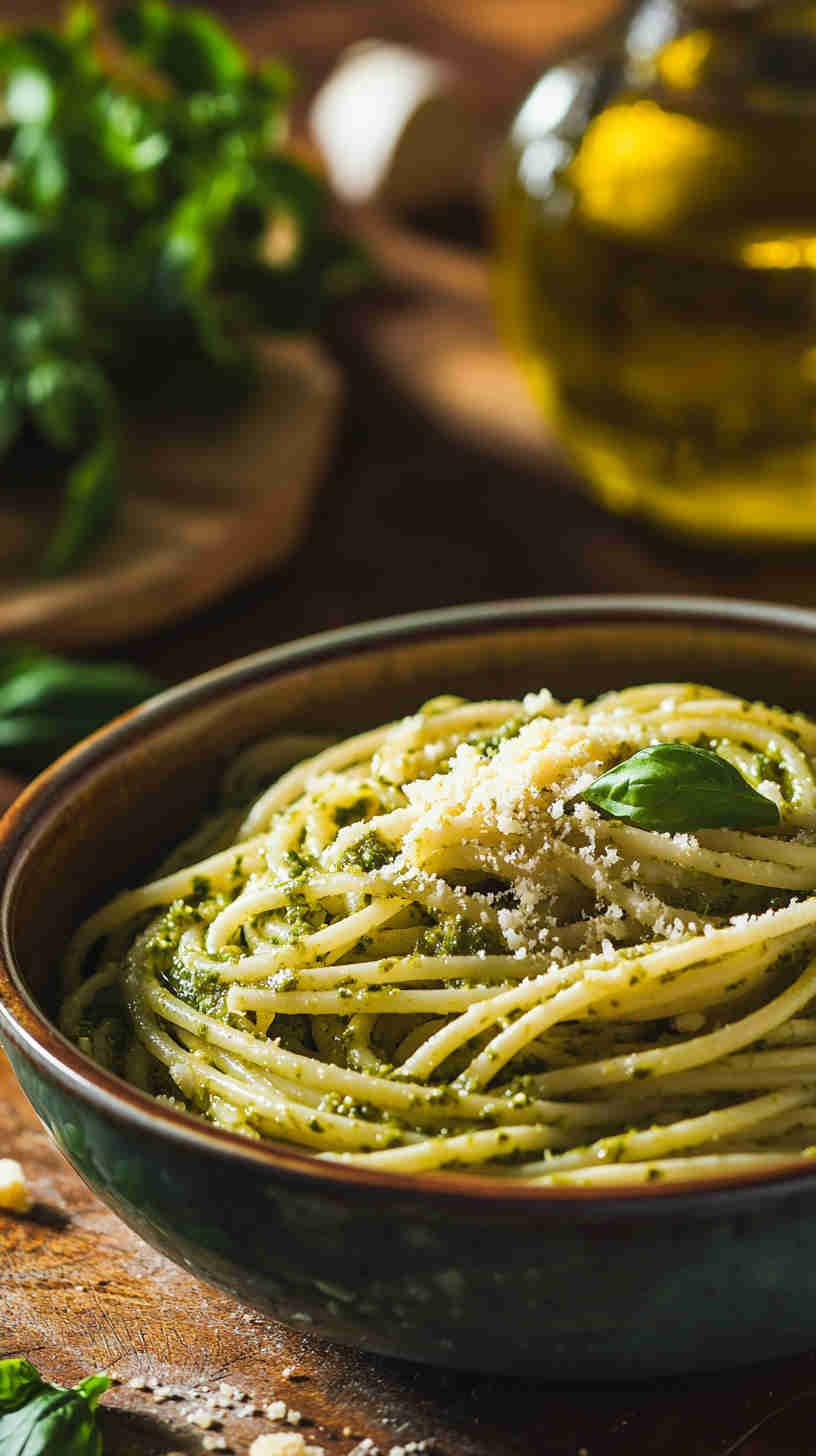
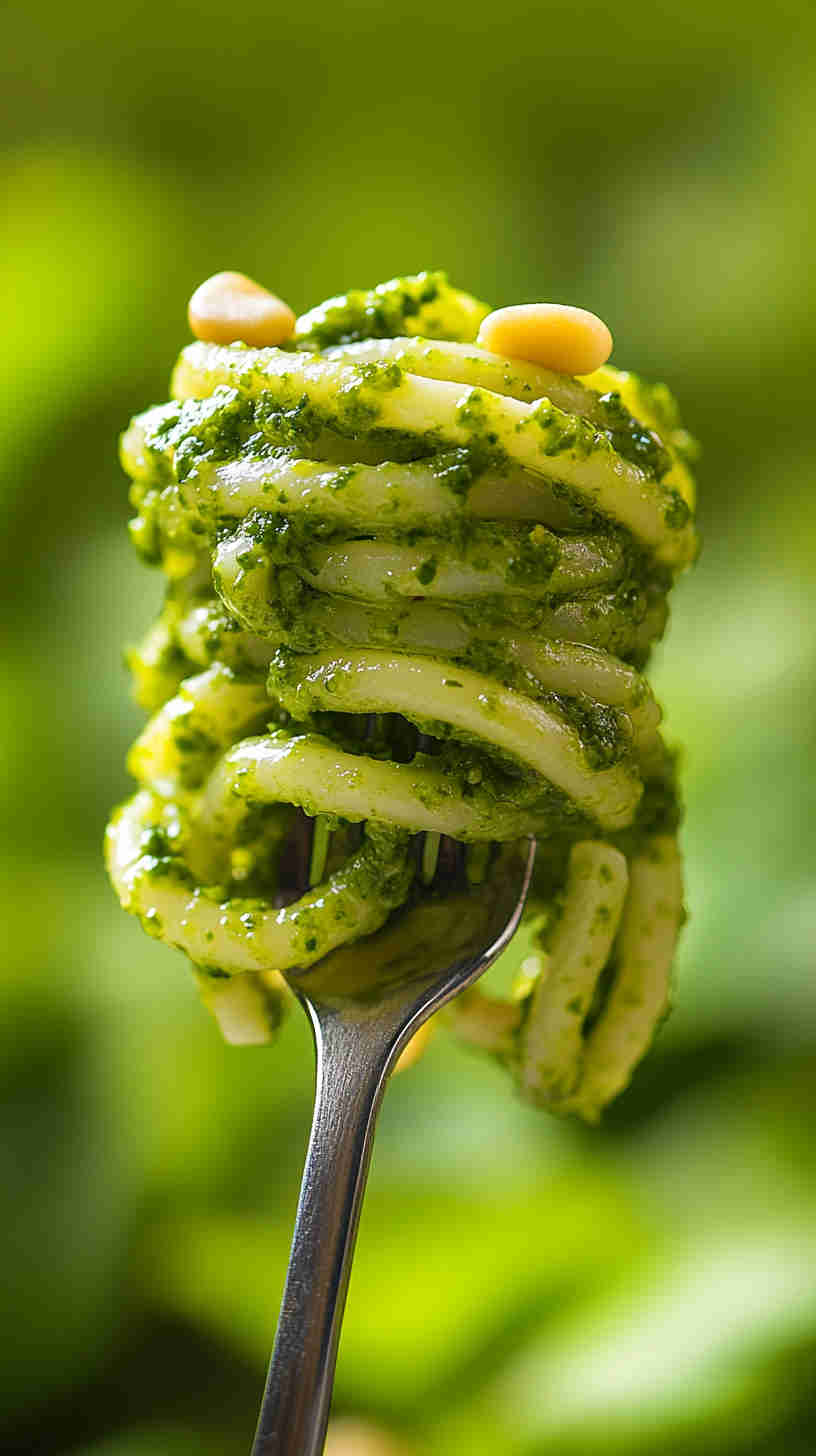
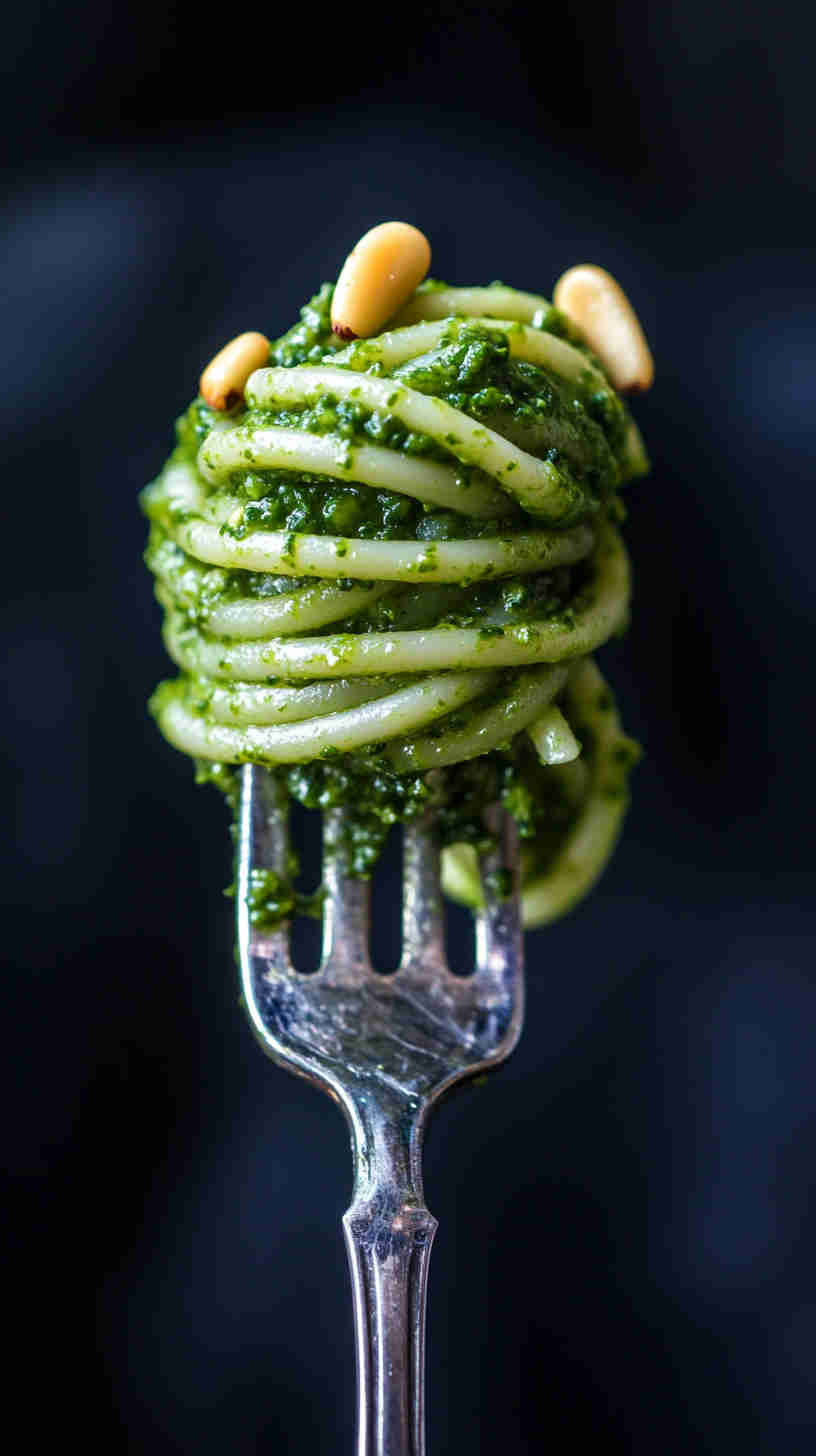
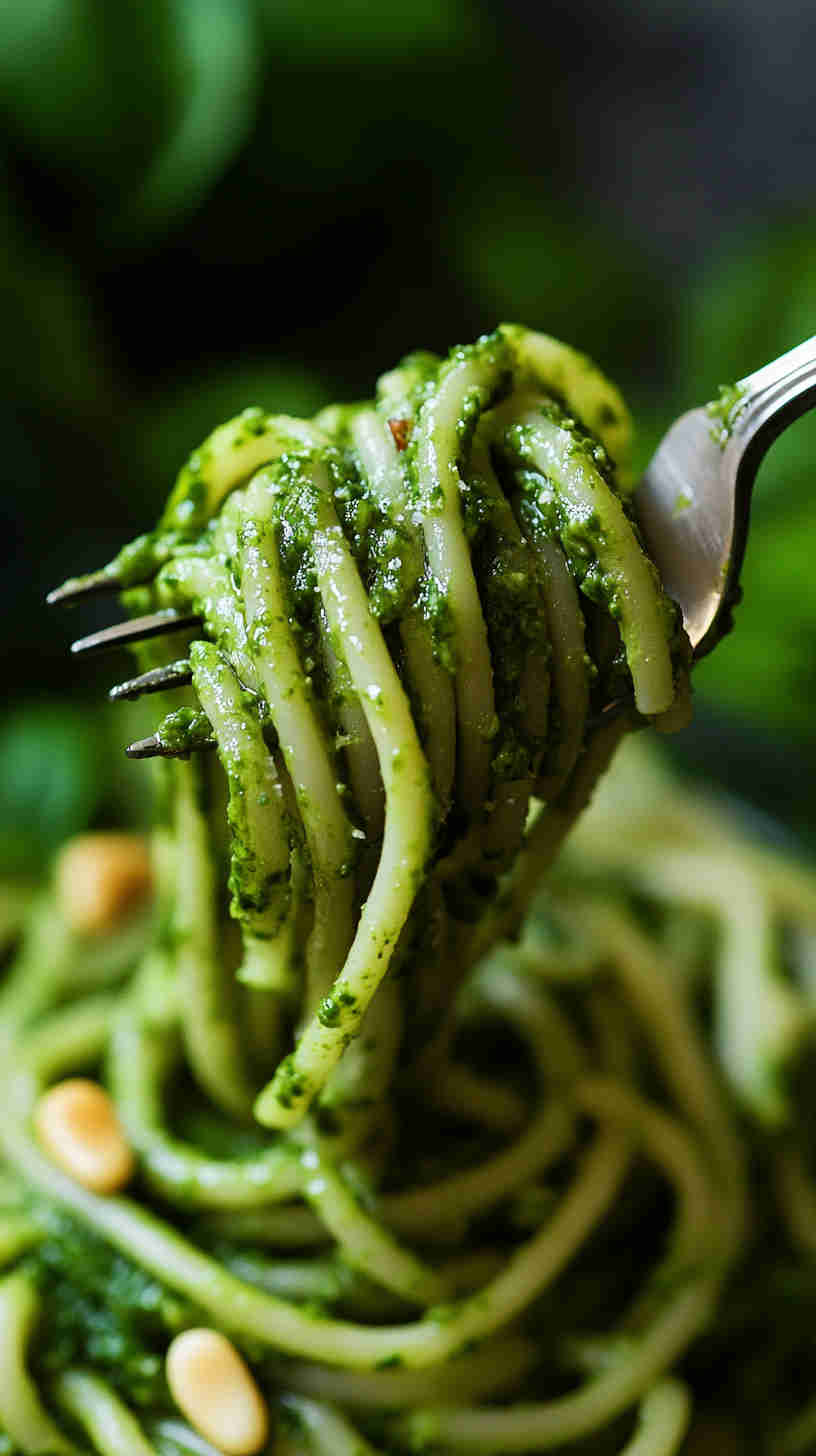
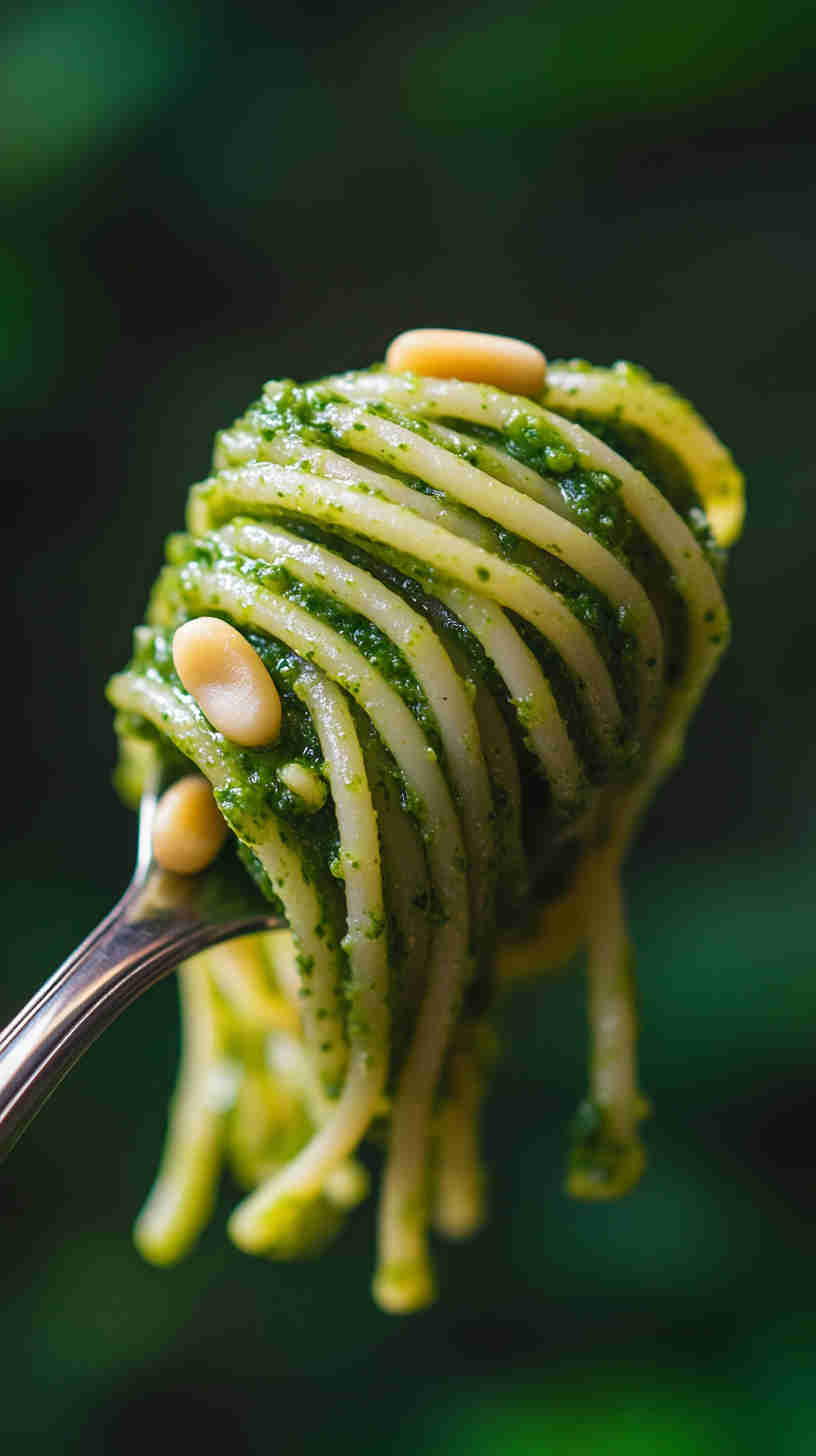
Dish Gallery
Let’s meet on next recipe. Until you can read Italian Pasta Primavera with Seasonal Vegetables Recipe