Homemade Ravioli with Ricotta and Spinach Recipe
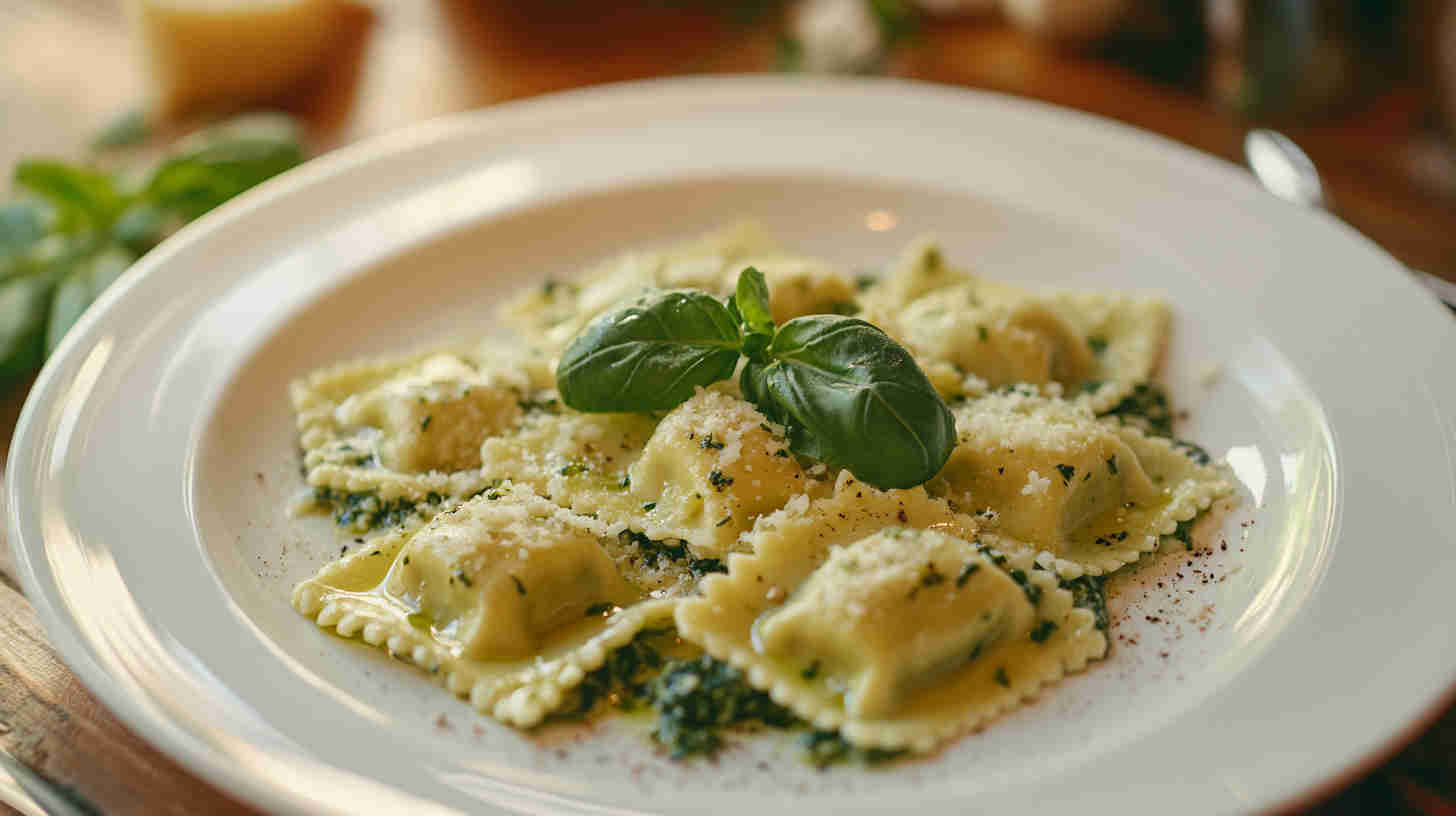
This homemade ricotta and spinach ravioli captures the essence of authentic Italian comfort food. Tender egg pasta encases a velvety filling of creamy ricotta, nutrient-rich spinach, and nutty Parmigiano-Reggiano with a hint of nutmeg. It’s fresh, flavorful, and far superior to store-bought – perfect for special family dinners or impressing guests with your handmade touch.
Homemade Ravioli with Ricotta and Spinach Recipe
Delicate homemade pasta pillows stuffed with creamy ricotta and fresh spinach – a classic Italian comfort dish bursting with flavor.
Ingredients
Method
- Prepare the pasta dough: Pile the flour on your work surface, make a well in the center, crack in the eggs, and add a pinch of salt. Using a fork, gently whisk the eggs while gradually pulling in the surrounding flour. Once it forms a shaggy dough, knead with your hands for 8-10 minutes until smooth and elastic – it should feel like soft playdough! Wrap in plastic and rest for 30 minutes.
- Cook the spinach: Wash fresh spinach well. Wilt it in a pan over medium heat (no added water – just the clinging drops) for 2-3 minutes until bright green and wilted. Cool slightly, then squeeze out every drop of moisture using a clean tea towel – this is key for perfect filling!
- Make the filling: In a large bowl, mix the drained ricotta, chopped wilted spinach, grated Parmigiano, egg, nutmeg, salt, and pepper. Stir until creamy and well combined – taste and adjust seasoning for that irresistible savory punch. Chill until ready.
- Roll the pasta: Divide the rested dough into 4 pieces. Flatten one piece, dust with flour, and roll through a pasta machine starting on the widest setting. Gradually thin it to setting 6-7 for delicate sheets. Keep others covered to prevent drying.
- Set up for filling: Lay one pasta sheet on a floured surface. Place teaspoonfuls of filling about 5cm apart in two rows, leaving space around edges.
- Brush and top: Lightly brush egg wash (or water) around each mound of filling to help seal. Gently drape another pasta sheet over the top, pressing around each filling to expel air bubbles – this keeps them plump and sealed!
- Cut the ravioli: Use a ravioli cutter, wheel, or knife to cut squares (about 5-6cm), ensuring sealed edges. Press gently with fingers to secure.
- Dust and rest: Place finished ravioli on a semolina-dusted tray. Repeat with remaining dough and filling – you’ll have a beautiful tray of handmade treasures!
- Cook the ravioli: Bring a large pot of salted water to a gentle boil. Add ravioli in batches and cook for 3-5 minutes until they float and pasta is tender. Drain carefully with a slotted spoon.
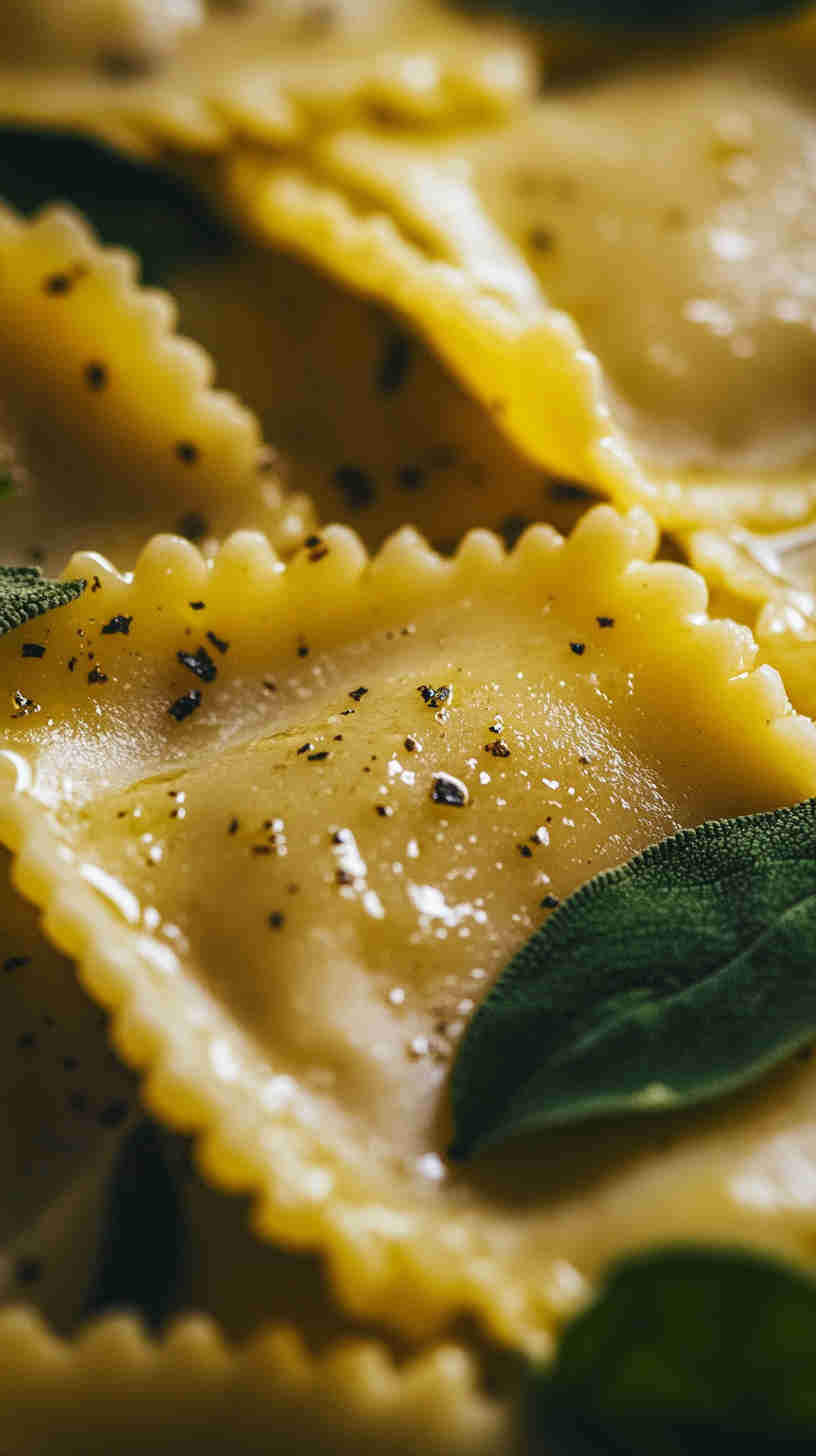
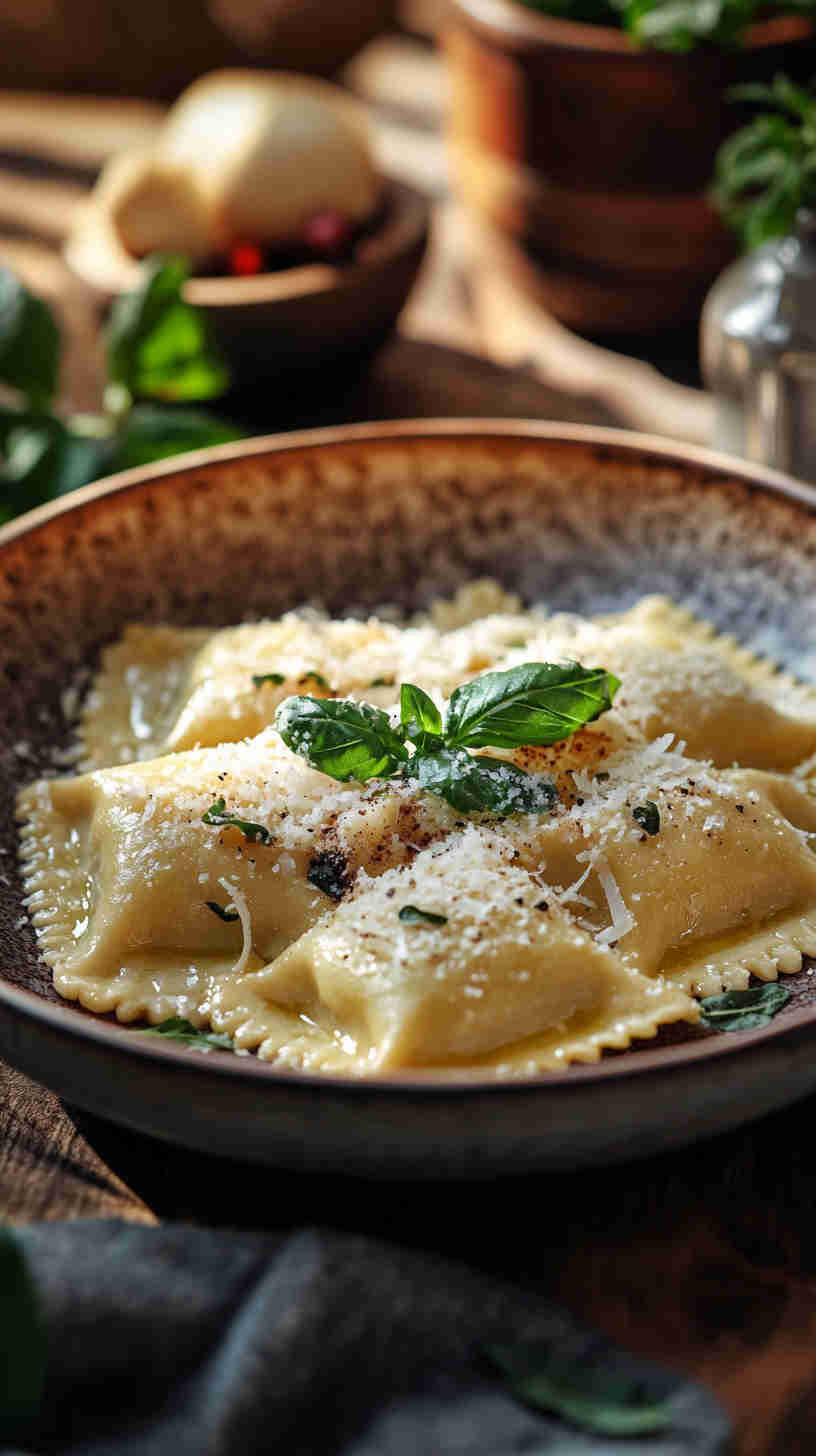
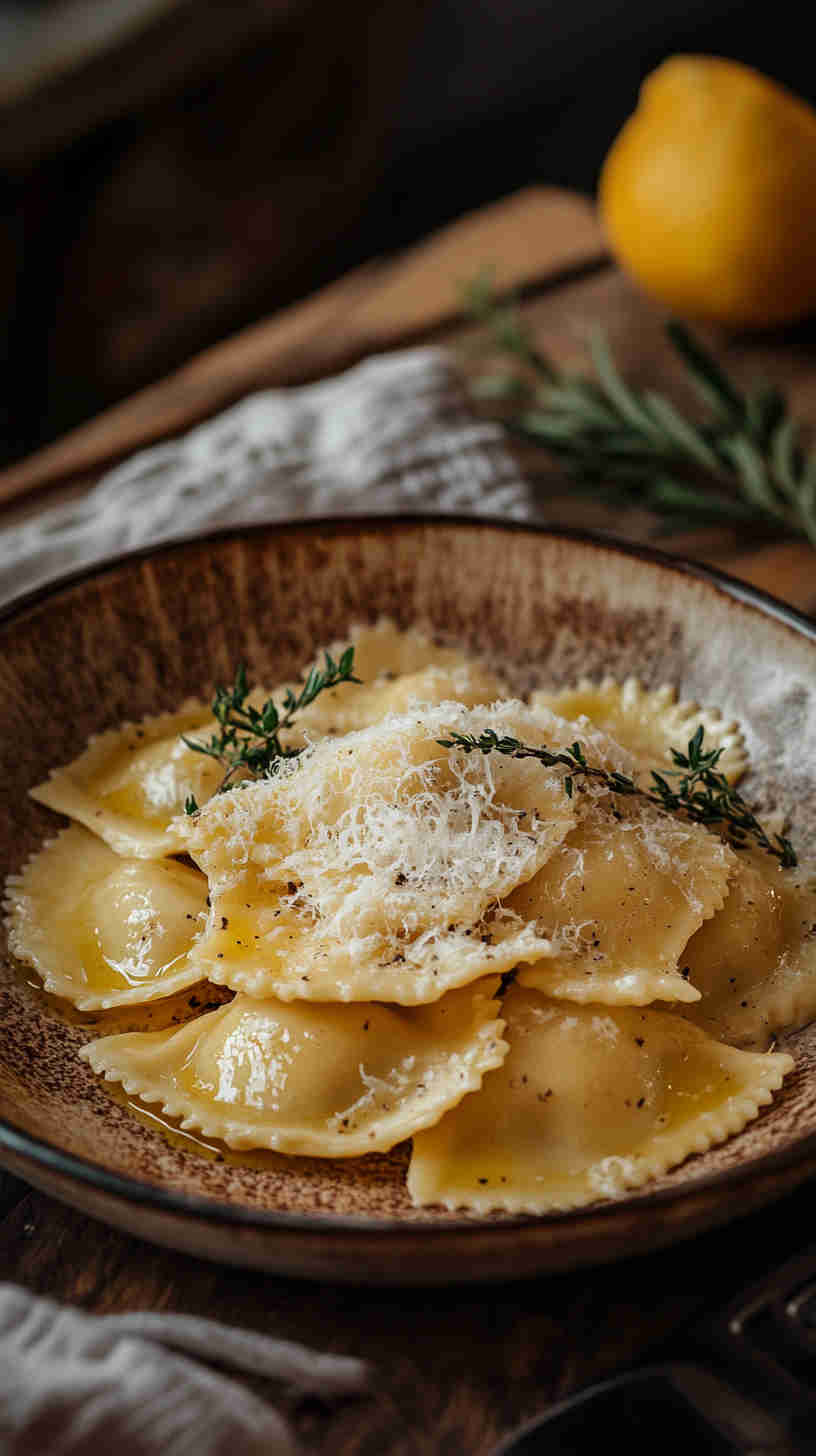
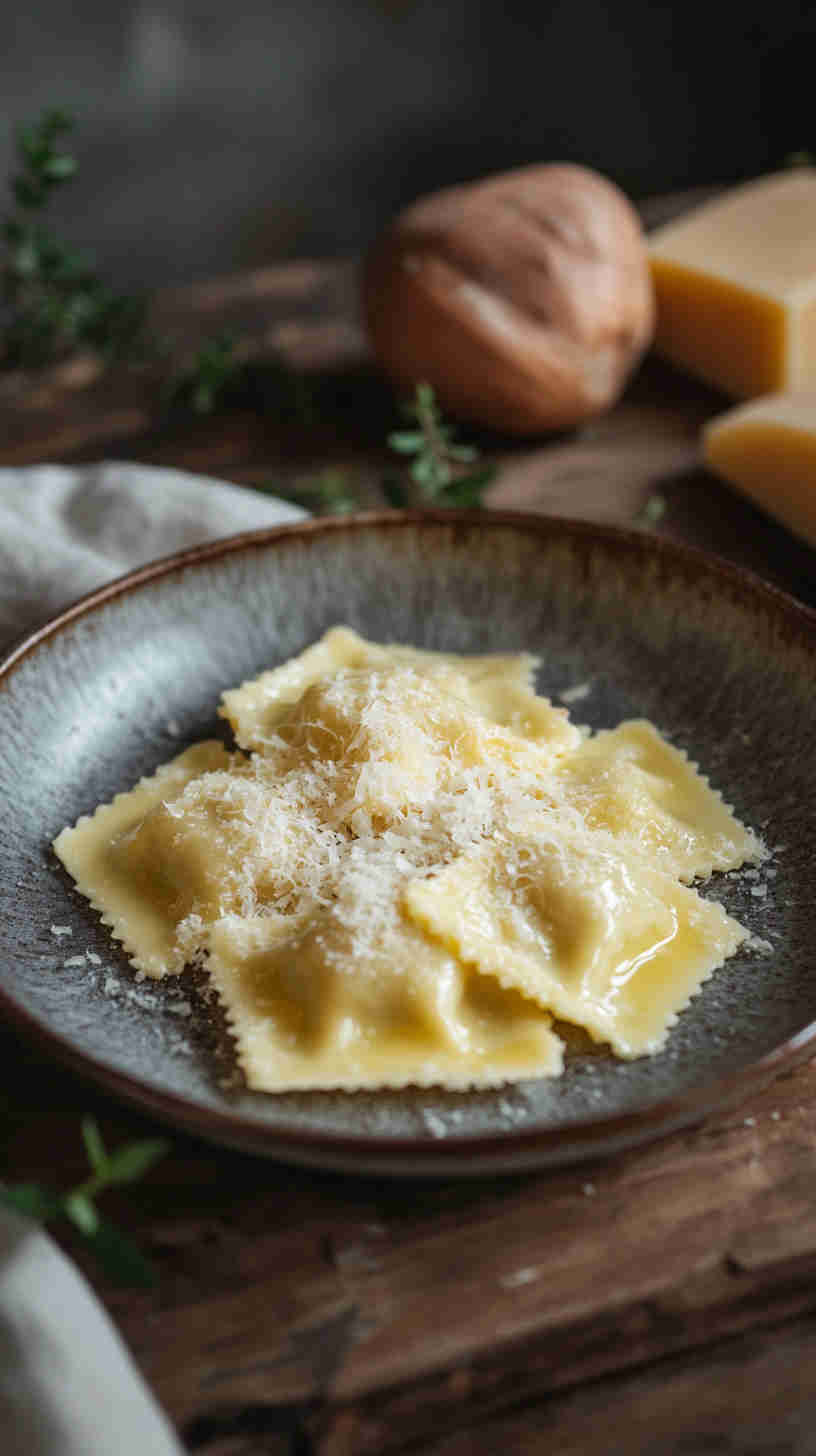
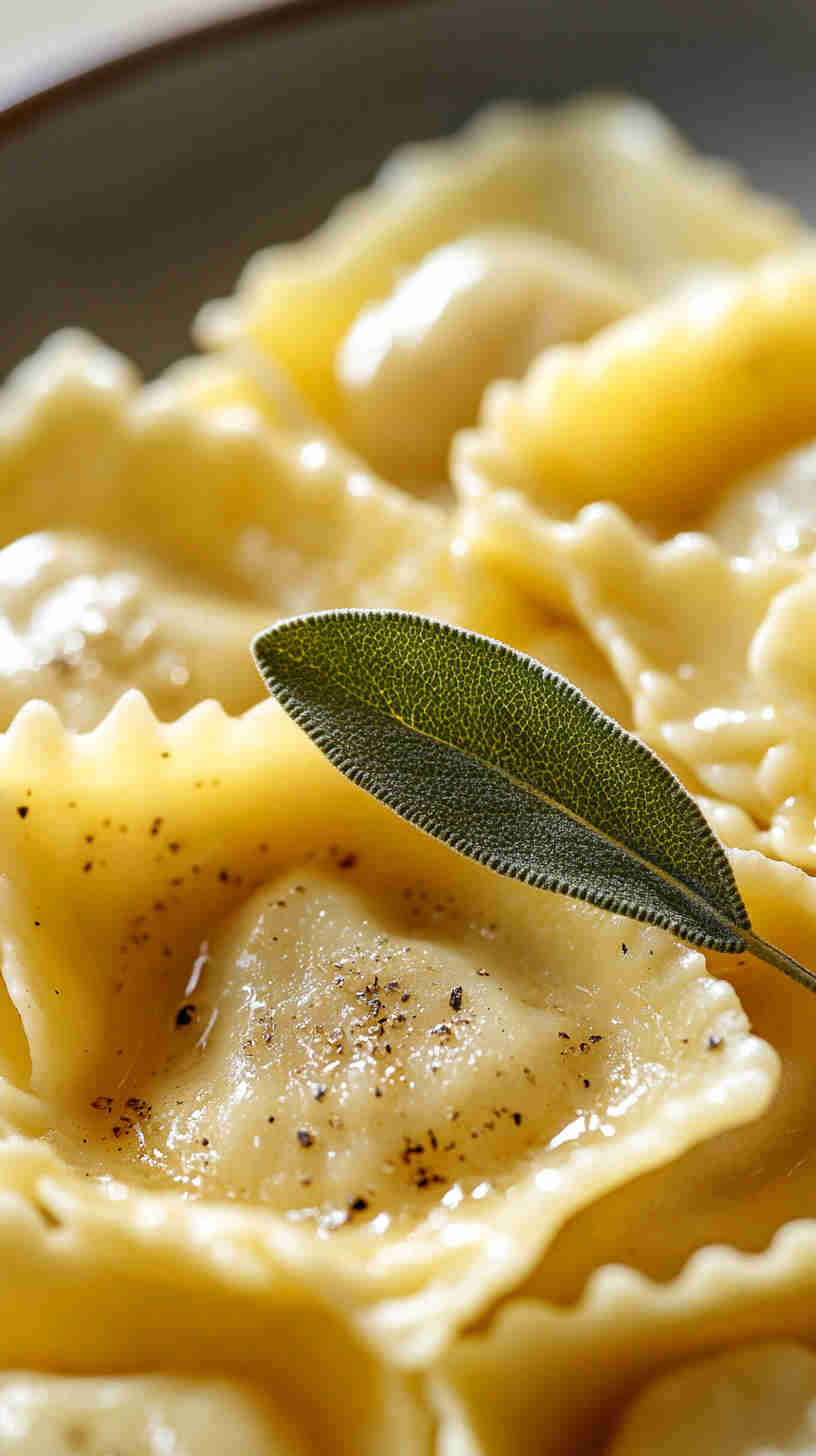
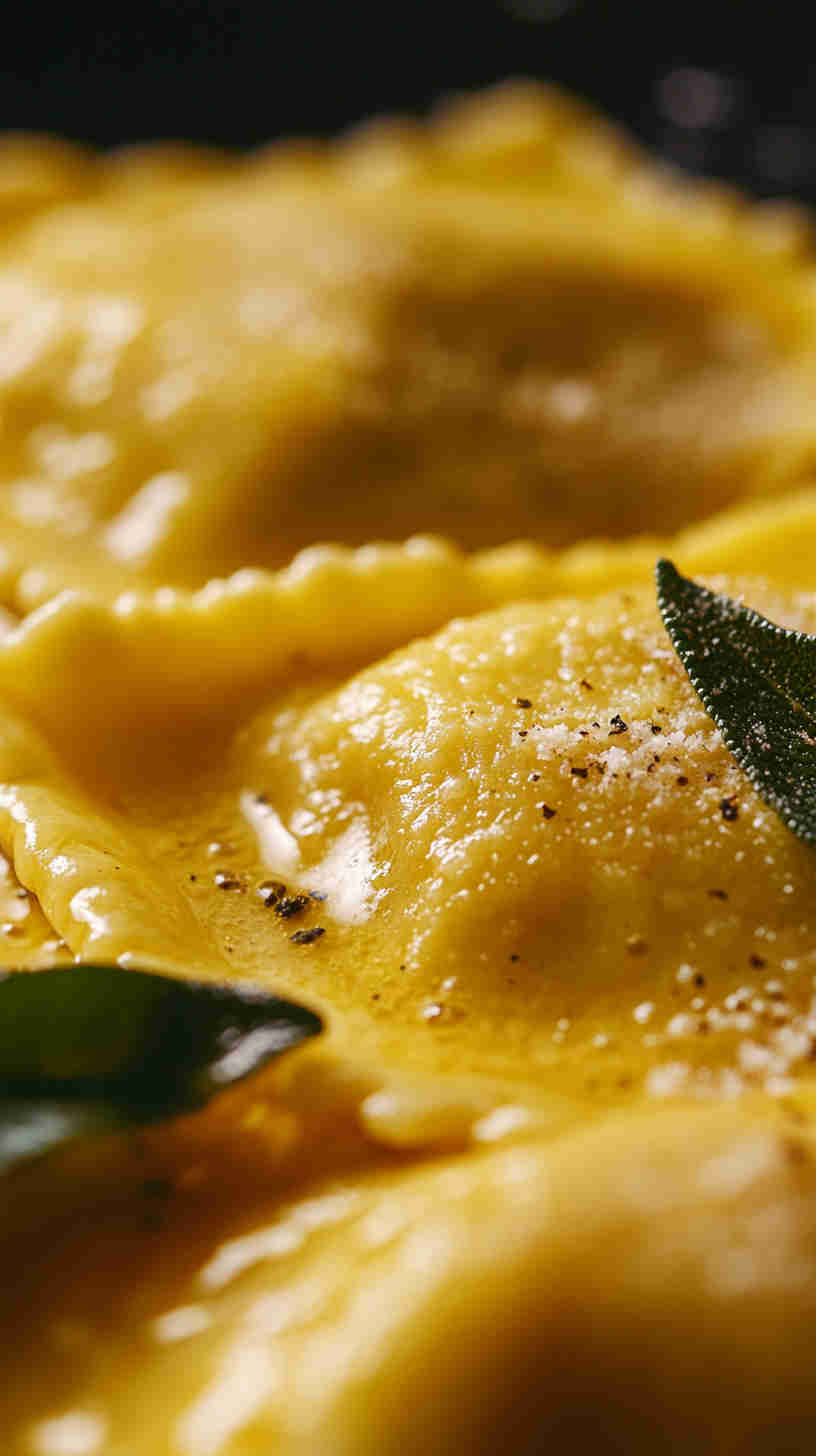
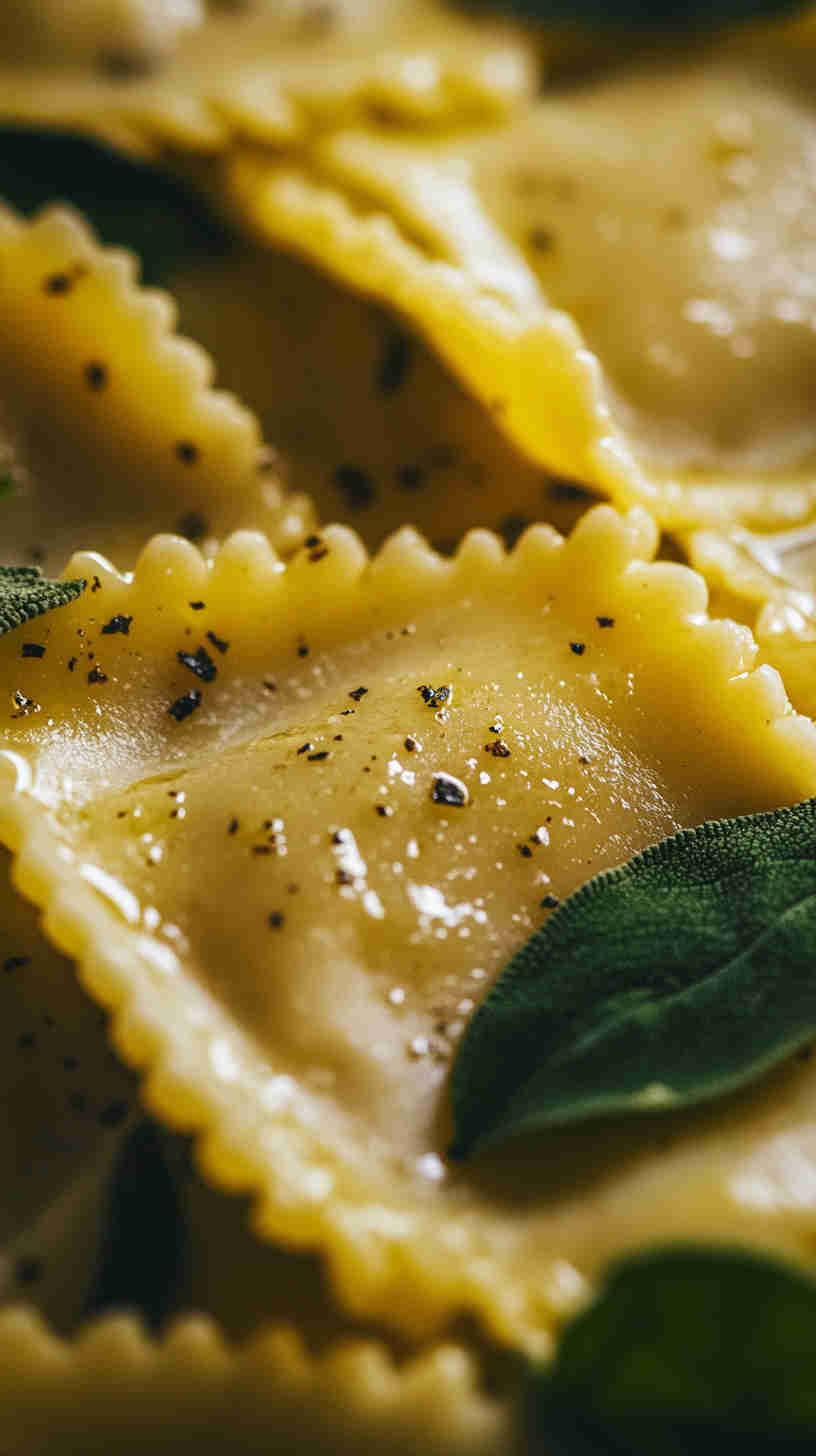
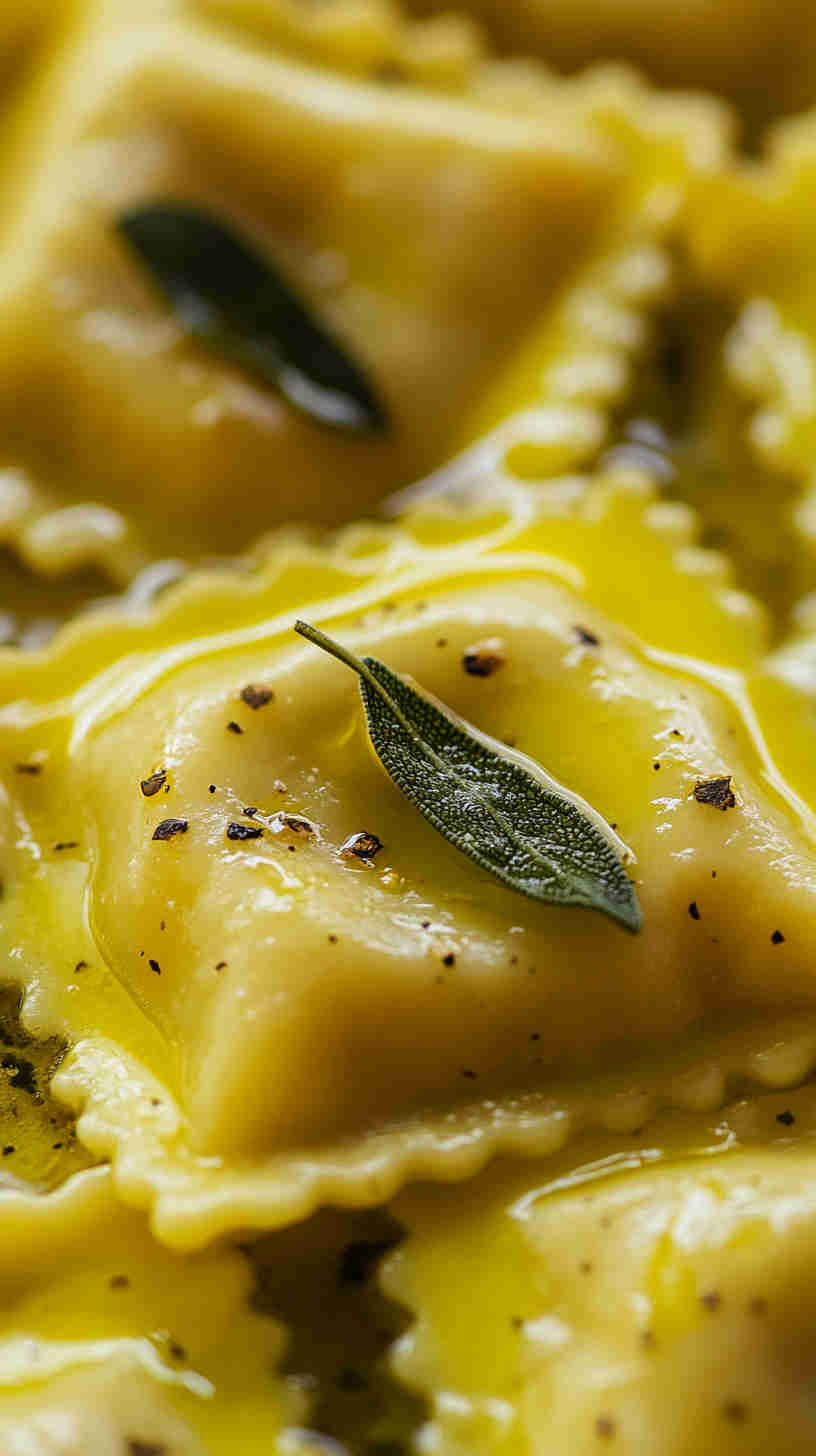
- Serve with love: Toss gently in melted butter with fresh sage leaves (or your favorite sauce). Sprinkle extra Parmigiano and enjoy every homemade bite – pure Italian bliss!
Recipe Tips and Tricks:
- Drain the ricotta overnight in a fine-mesh strainer in the fridge to avoid a watery filling.
- Squeeze spinach thoroughly after cooking (use a clean tea towel) to prevent soggy ravioli.
- Rest the dough for at least 30 minutes for easier rolling and better texture.
- Roll pasta sheets thin (setting 6-7 on a pasta machine) but not so thin they tear.
- Dust everything with semolina to prevent sticking.
- Seal ravioli firmly, pressing out air pockets to avoid bursting during cooking.
- Freeze uncooked ravioli in a single layer before bagging for up to 3 months.
- Cook from frozen – add 1-2 extra minutes to boiling time.
Ingredients Notes in long form:
- Flour: Use ’00’ flour for silky, tender pasta; all-purpose works as a substitute but yields slightly denser results.
- Eggs: Room-temperature large eggs ensure a smooth, workable dough – fresh eggs make the pasta more vibrant and flavorful.
- Ricotta: Whole-milk ricotta provides the creamiest texture; drain well to remove excess whey. Fresh ricotta is ideal for authentic taste.
- Spinach: Fresh spinach offers the best flavor – wilt it gently without added water, then squeeze dry. Frozen works too, but thaw and squeeze thoroughly.
- Parmigiano-Reggiano: Freshly grated for superior nutty depth; avoid pre-grated versions which lack intensity.
- Nutmeg: Freshly grated adds a warm, subtle sweetness that perfectly balances the filling.
- Semolina: Use for dusting to prevent sticking without making the dough tough.
Variations and Substitutions in long form:
- Vegan version: Swap eggs for a vegan pasta dough (use water and olive oil), and replace ricotta with vegan ricotta or cashew-based cheese; use nutritional yeast instead of Parmigiano.
- Gluten-free: Use a gluten-free flour blend designed for pasta.
- Cheese variations: Add grated mozzarella or pecorino for extra creaminess, or goat cheese for tang.
- Herb boost: Mix in fresh basil, parsley, or lemon zest for brightness.
- Sauce options: Serve with classic butter and sage, marinara, pesto, or creamy tomato sauce instead of simple butter.
- Spinach alternatives: Substitute chard, kale, or wild greens for a different twist.
- Protein addition: Mix in cooked ground meat or pancetta for a non-vegetarian version.
Storage Options:
- Uncooked: Freeze in a single layer on a tray until solid, then transfer to freezer bags (up to 3 months). Cook from frozen.
- Cooked: Refrigerate leftovers in an airtight container for up to 3 days; reheat gently in sauce.
- Dough: Wrap tightly and refrigerate for up to 2 days.
Dish Gallery
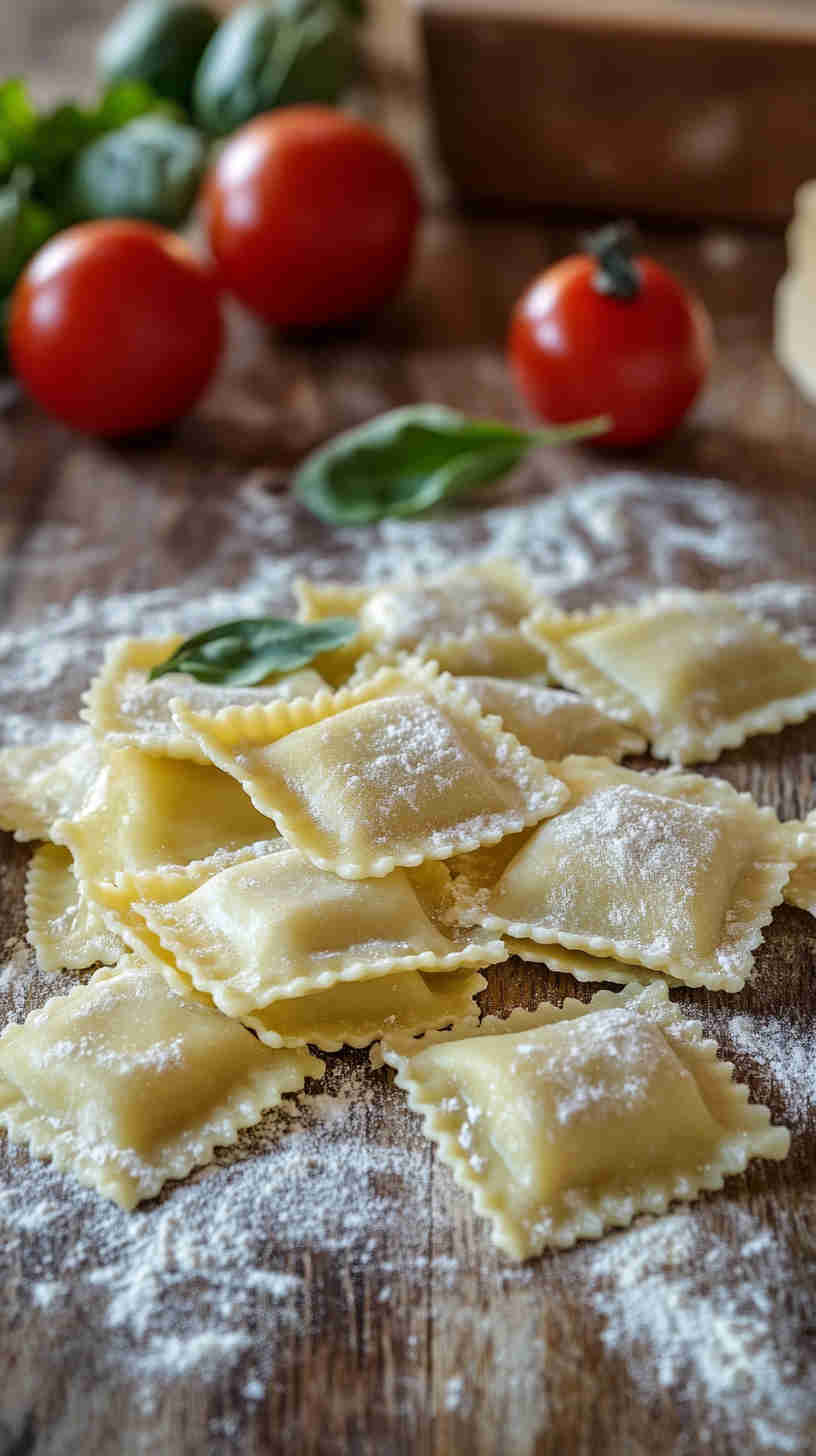
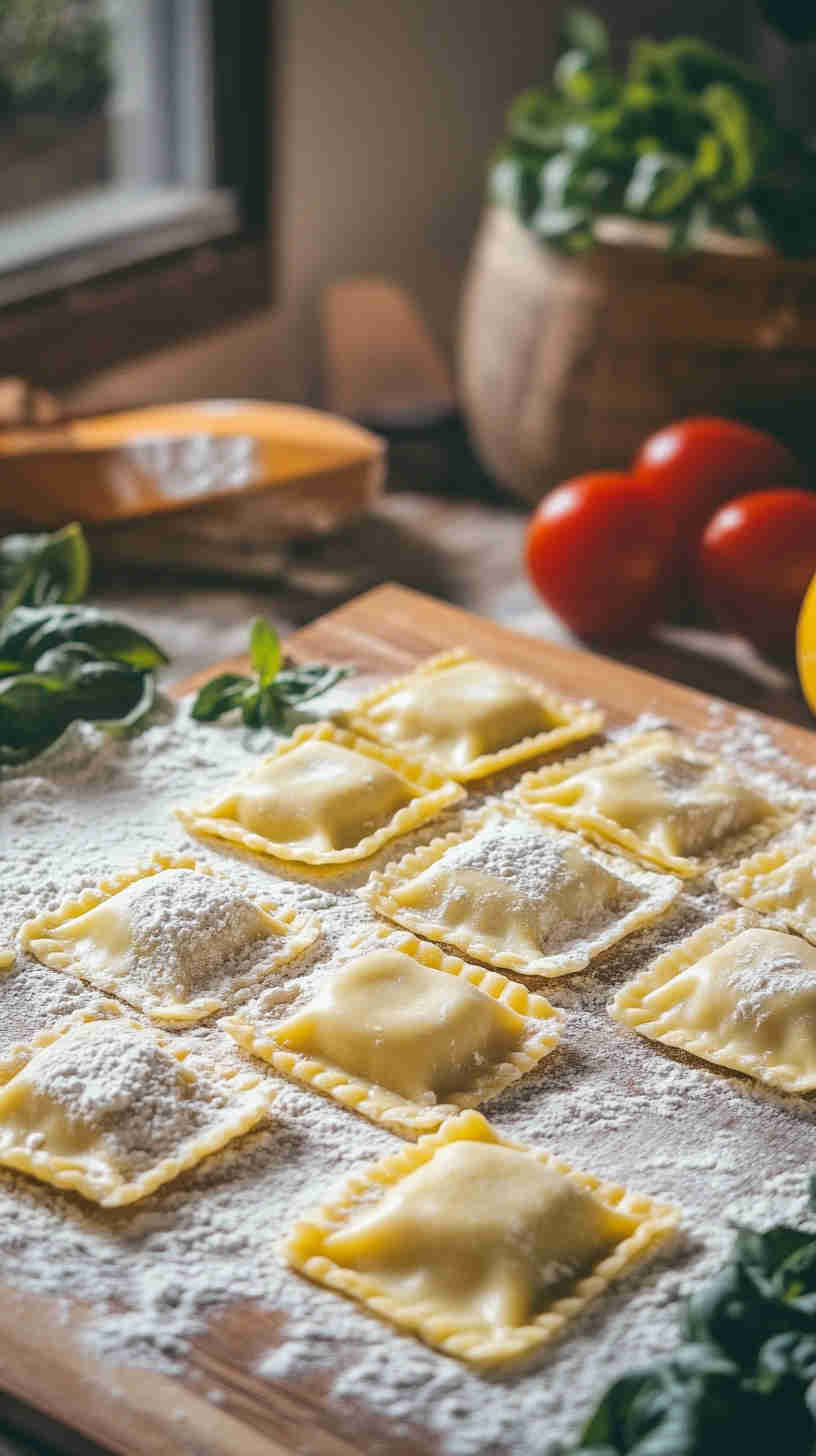
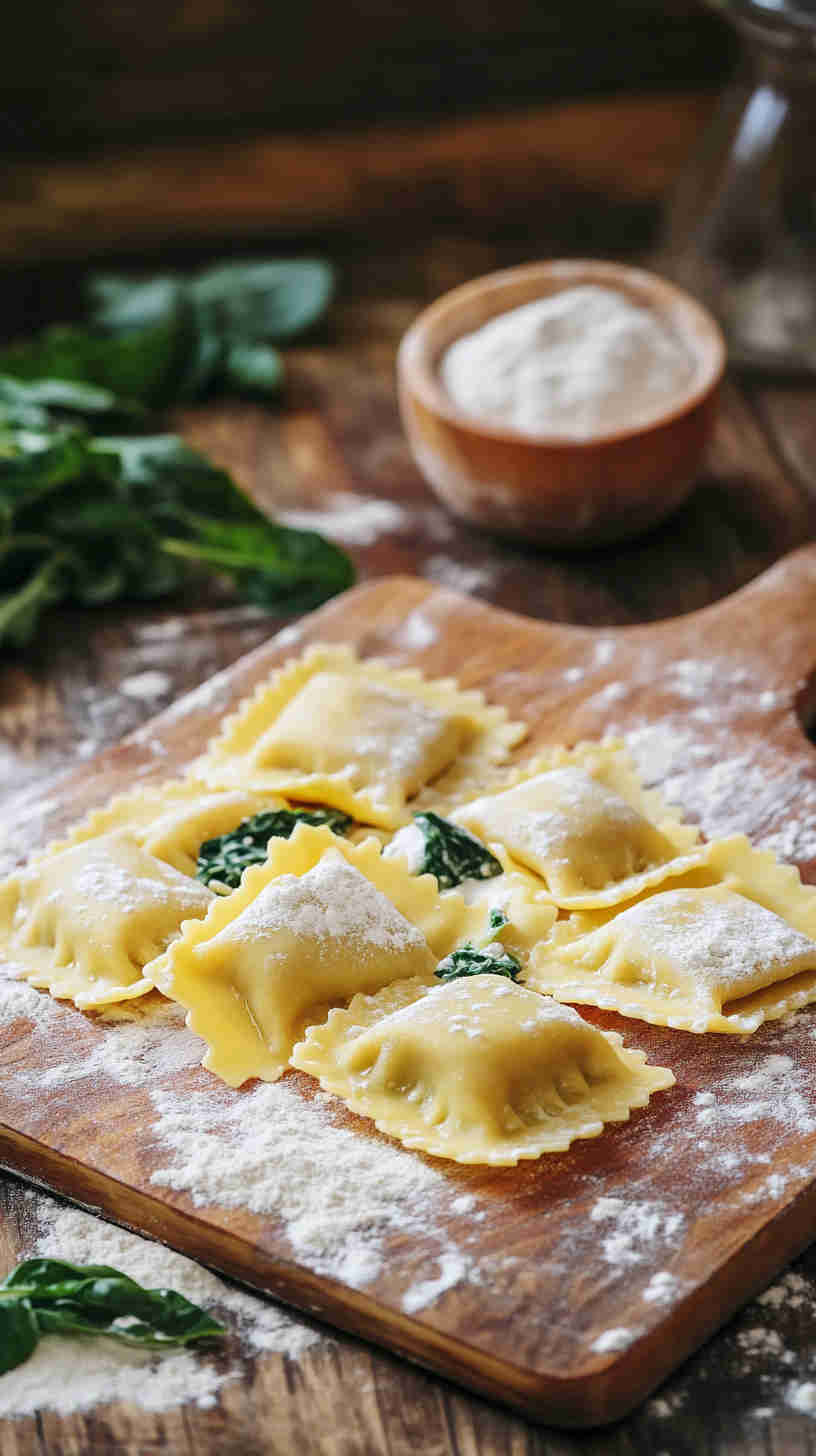
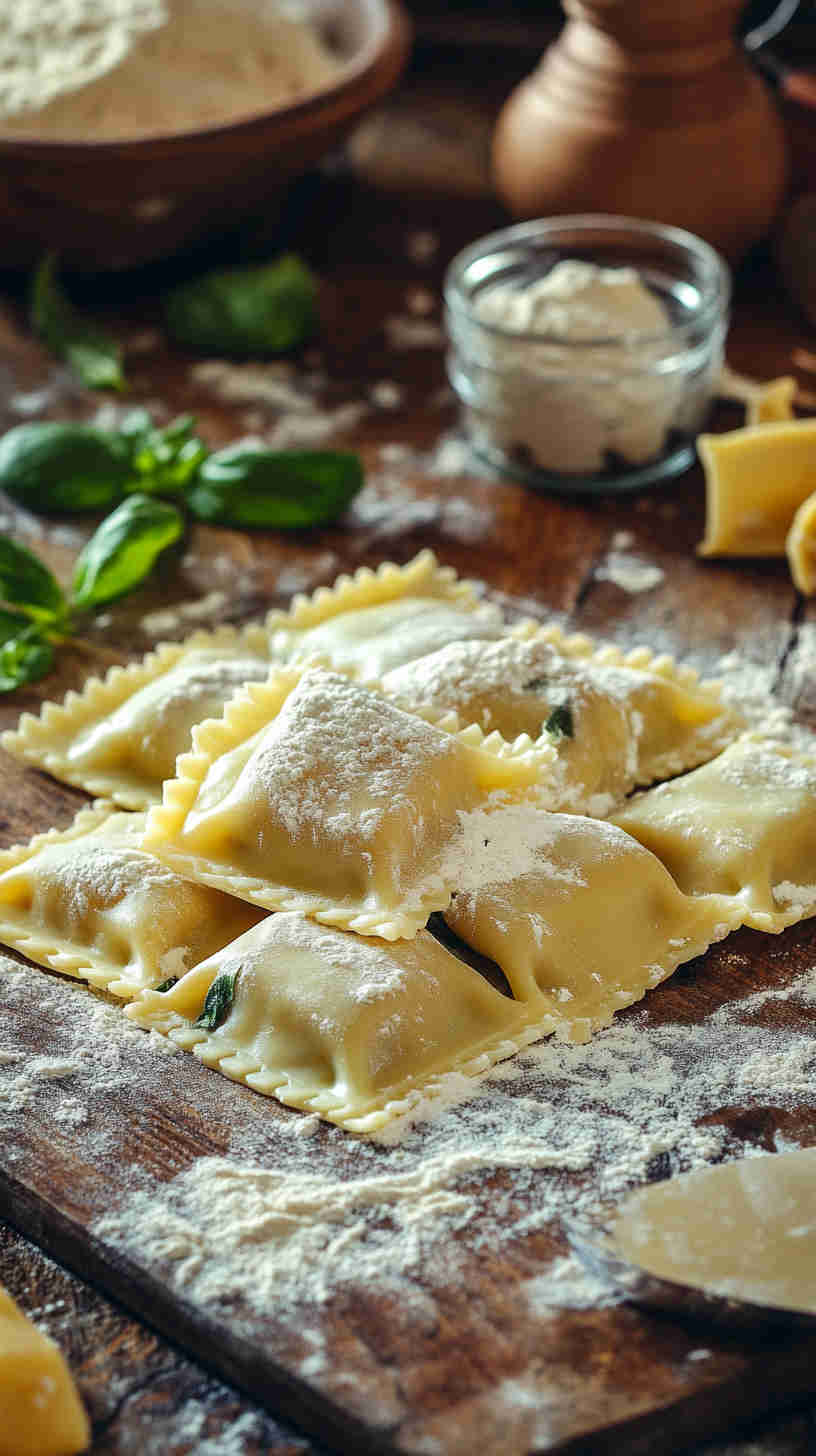
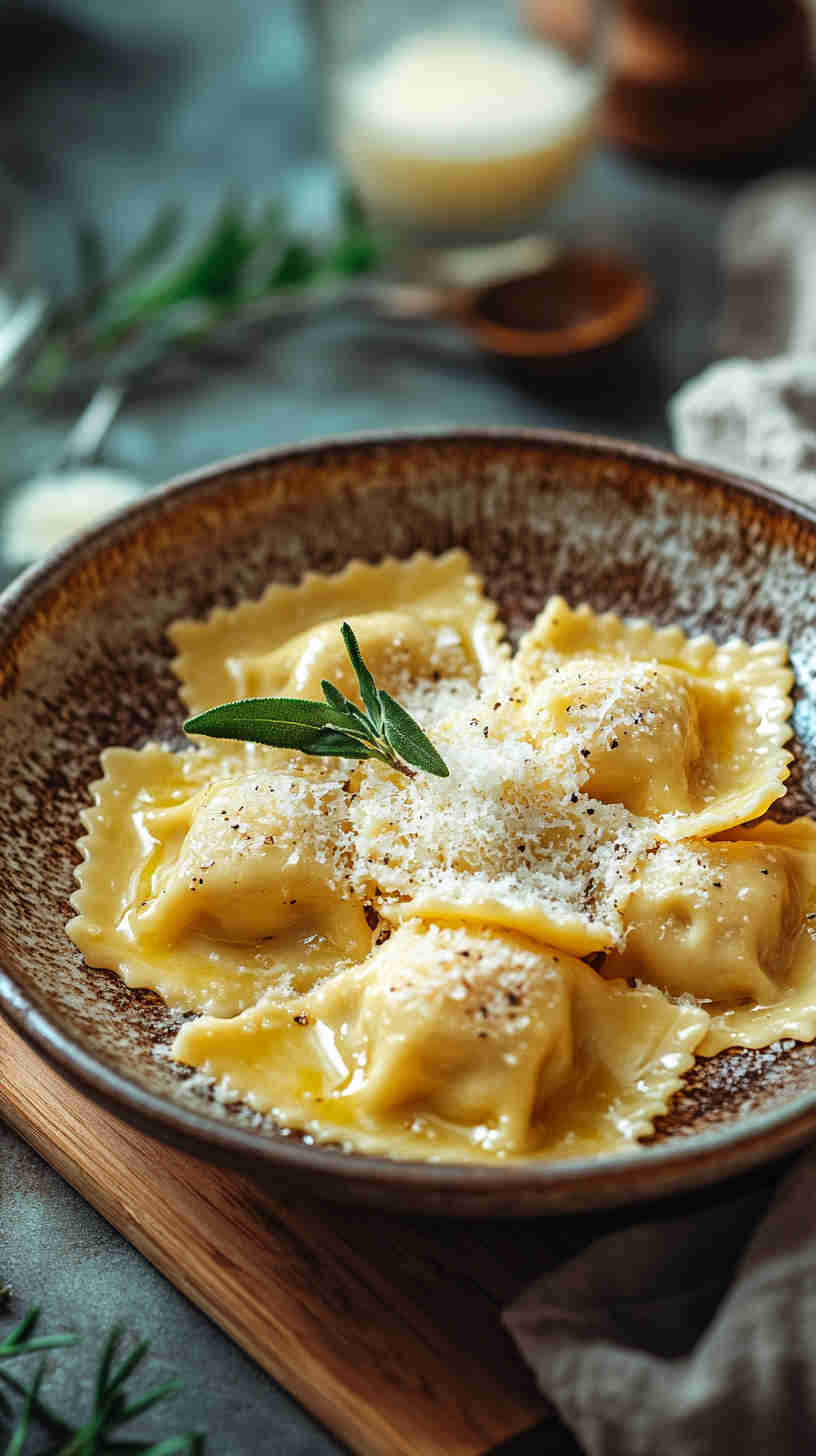
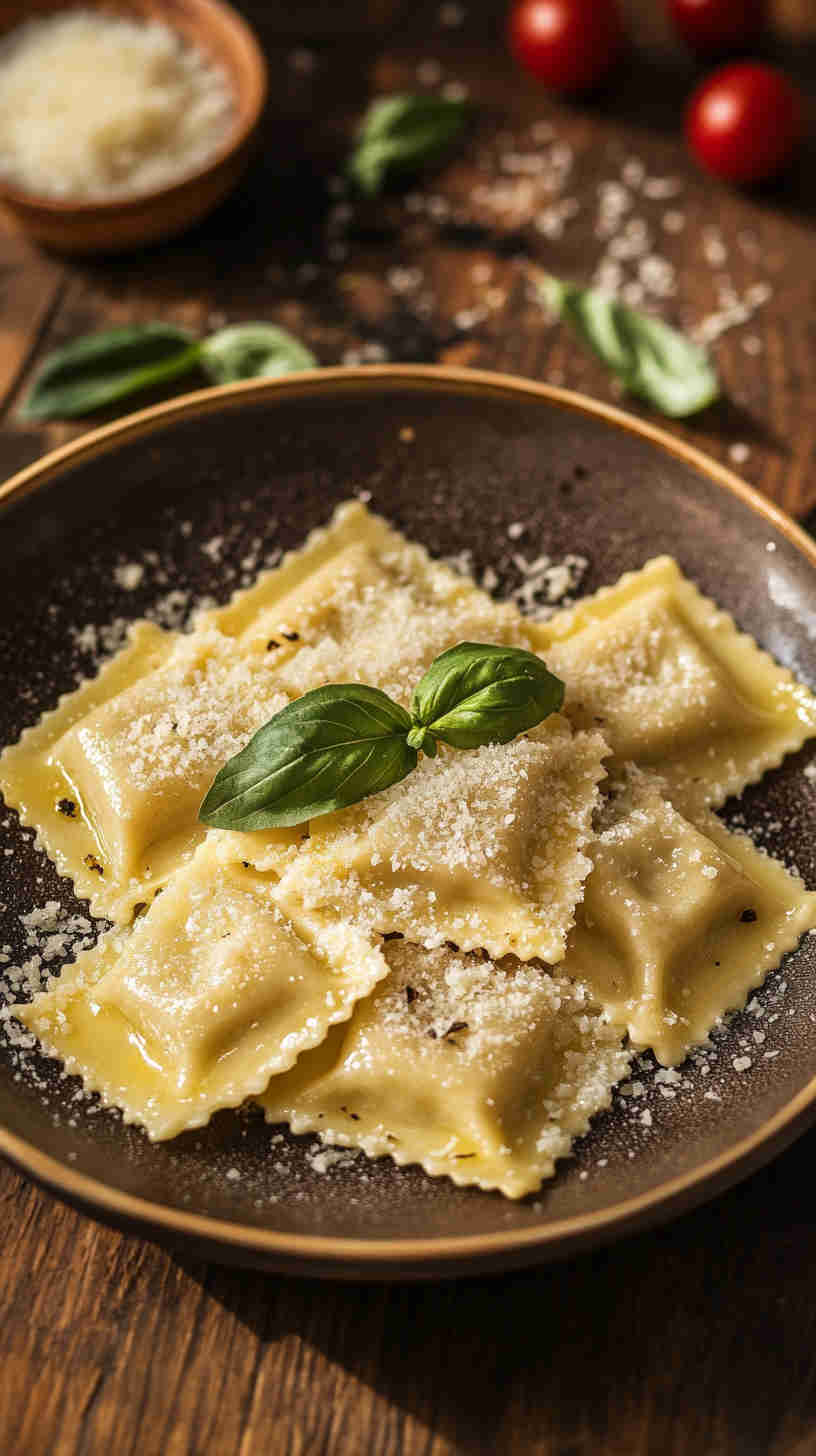
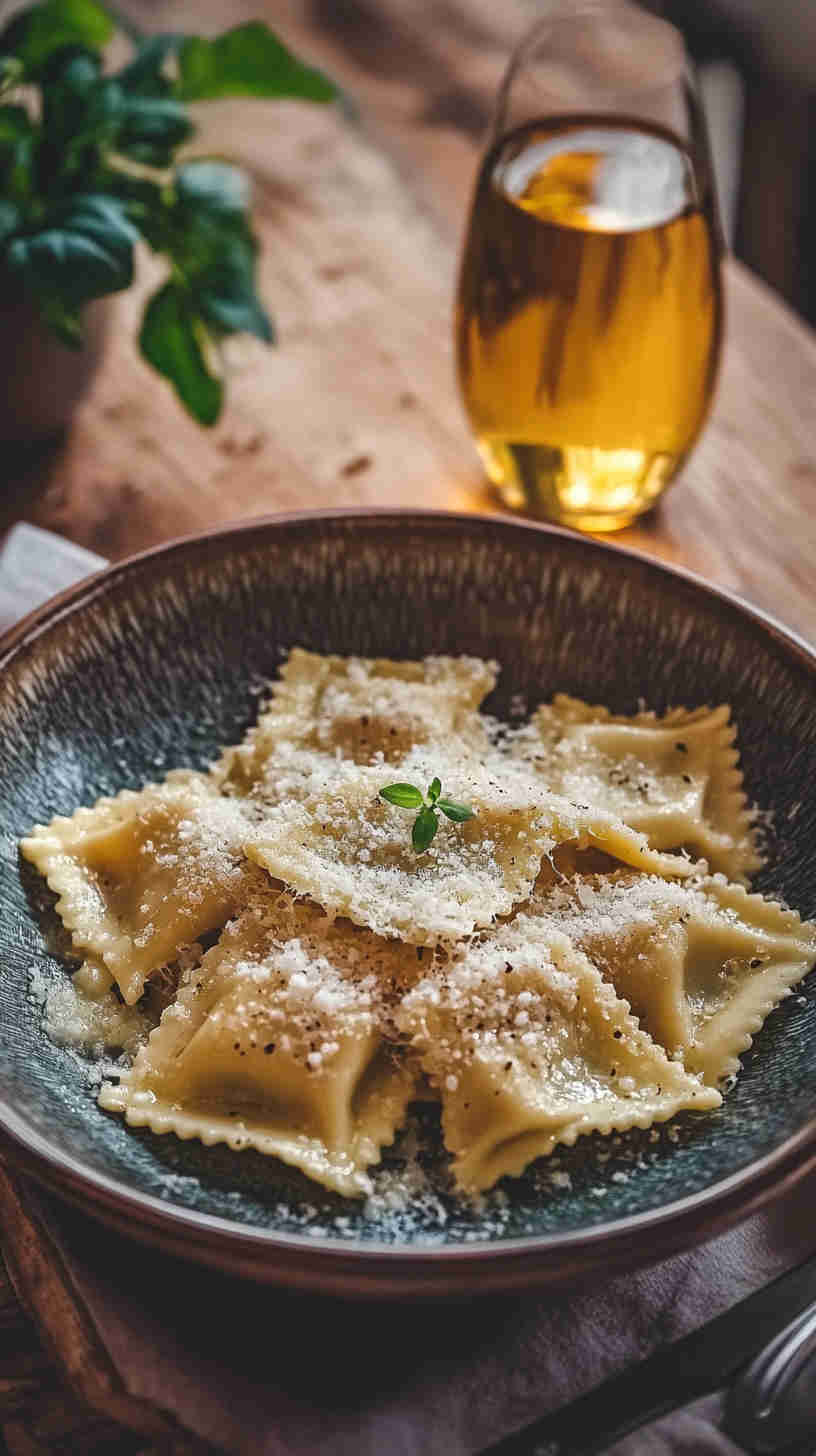
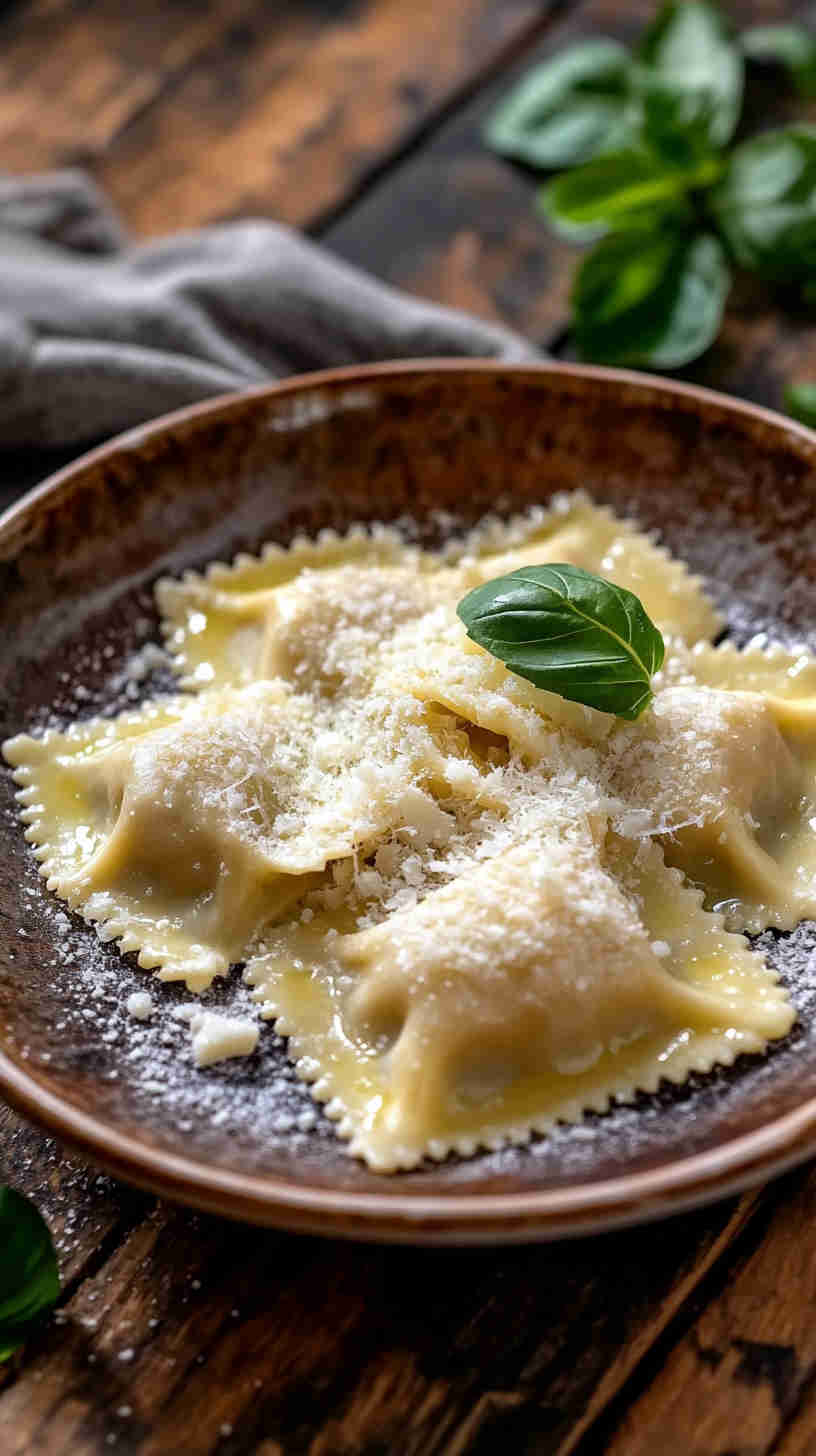
Let’s meet on next recipe. Until you can read Gnocchi in Tomato and Basil Sauce Recipe