Italian Light Pasta Primavera Recipe
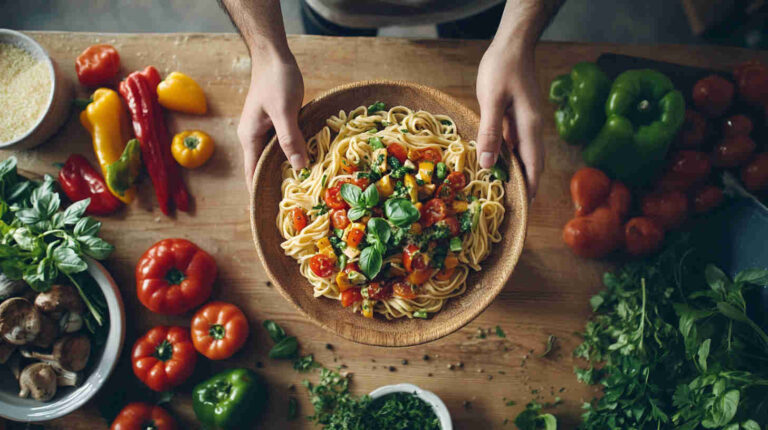
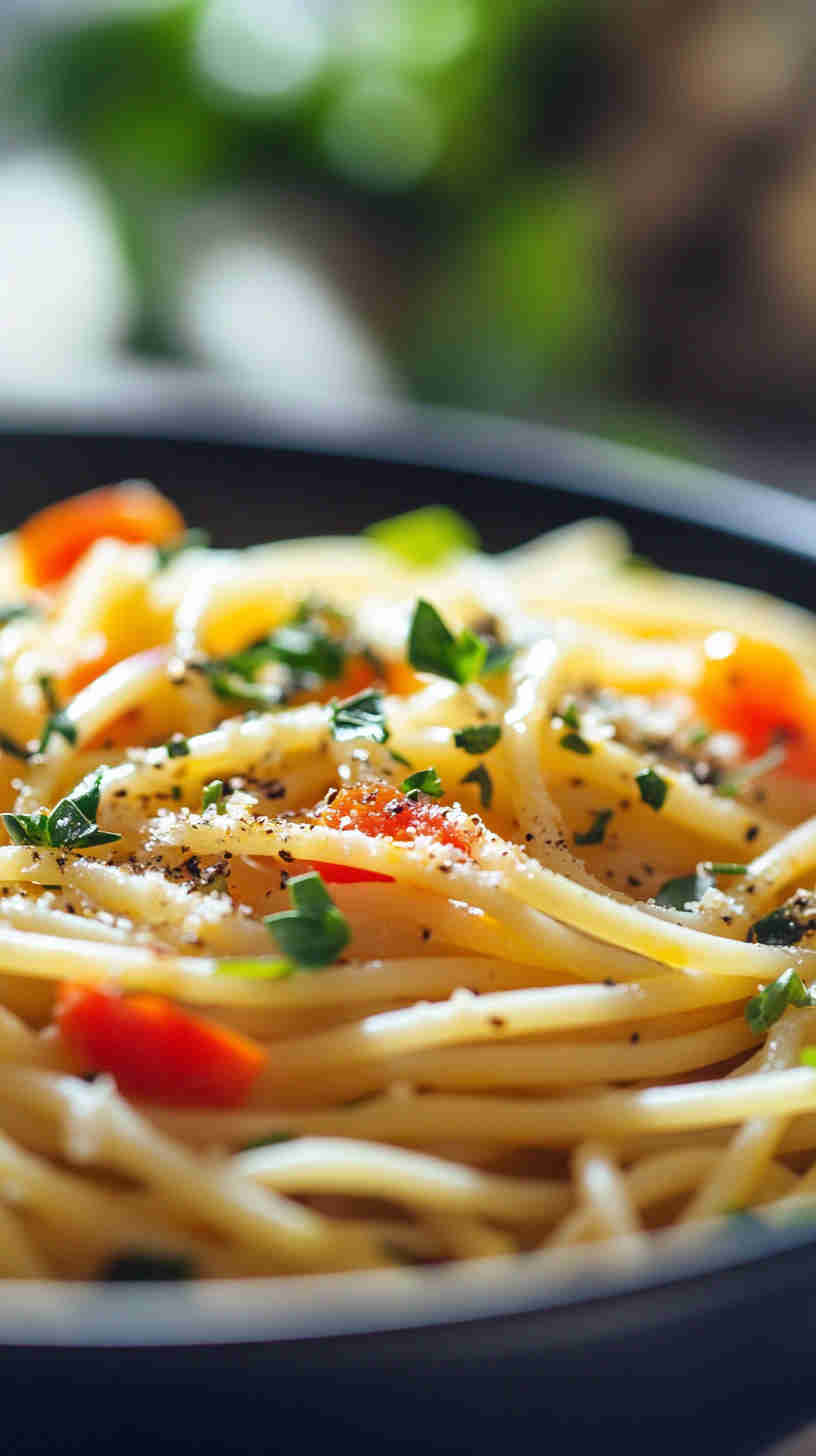
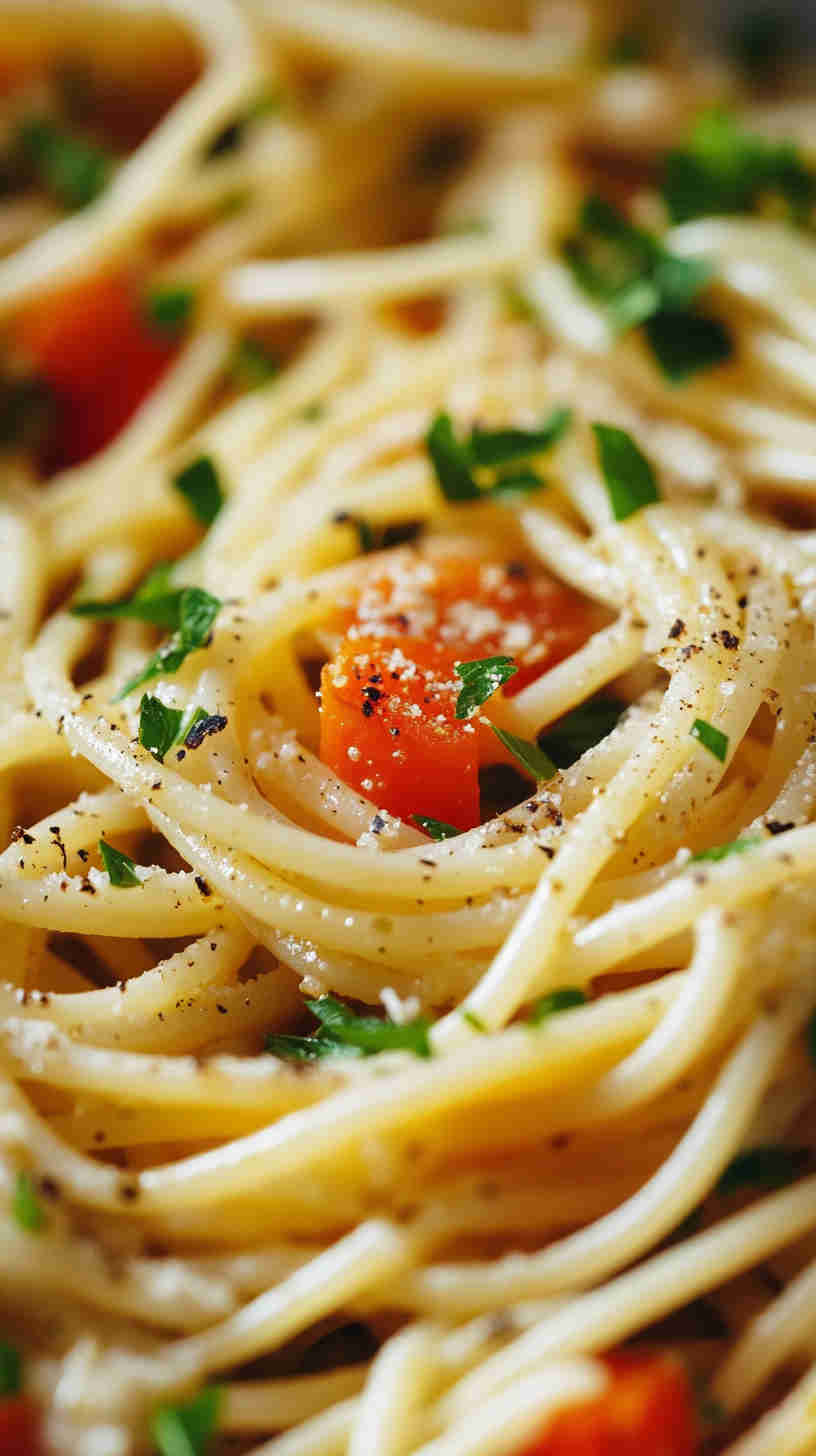
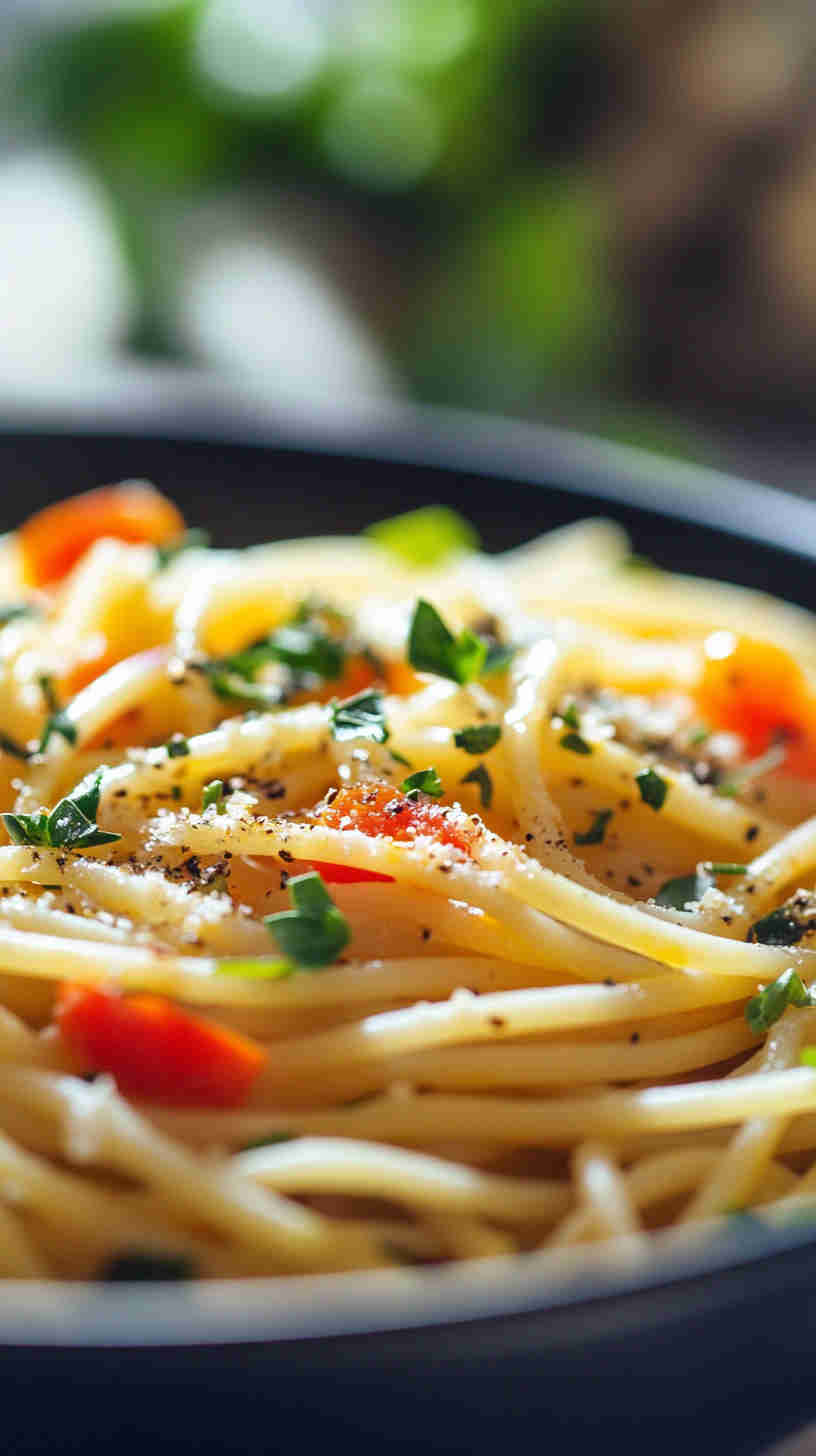
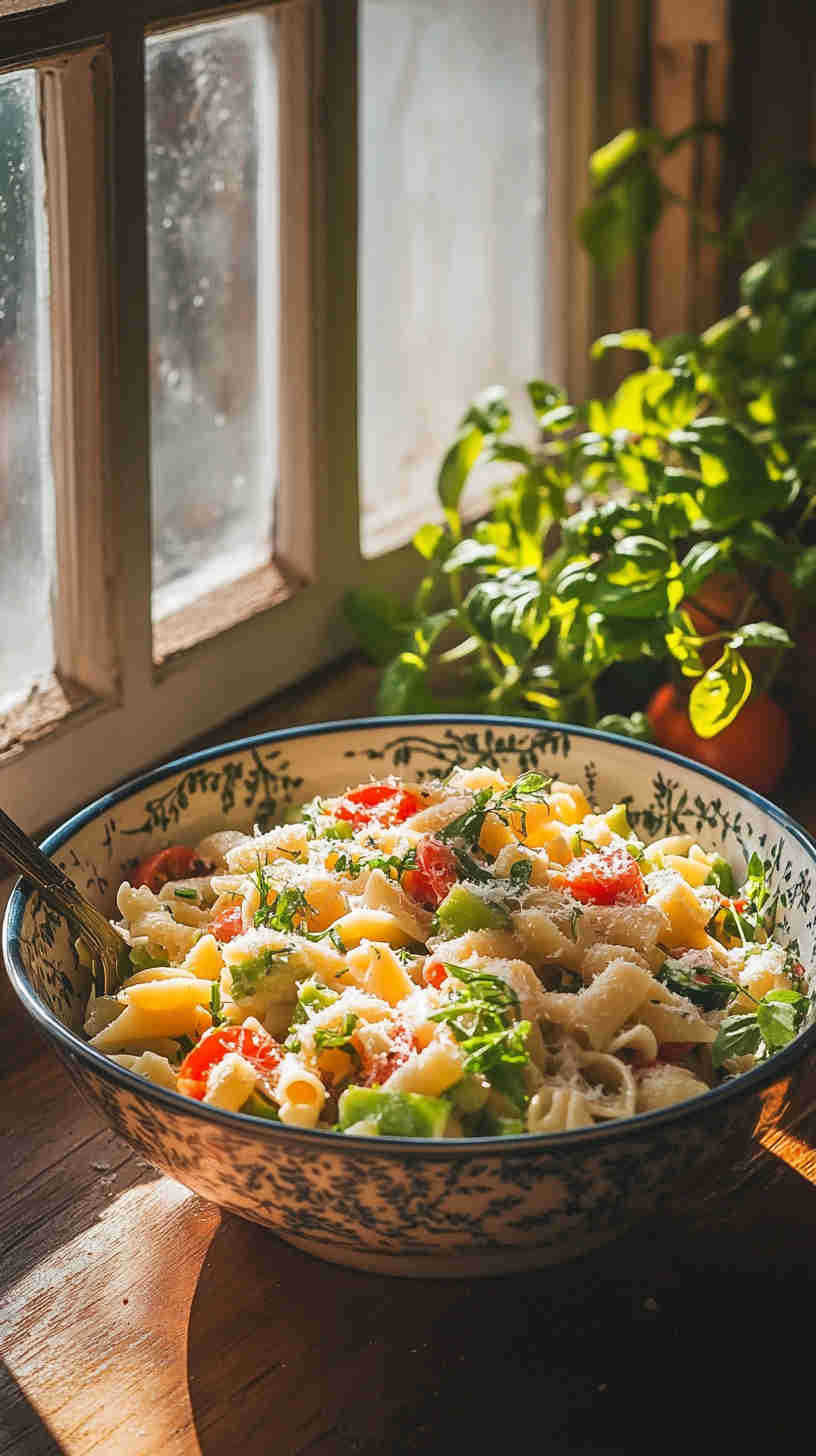
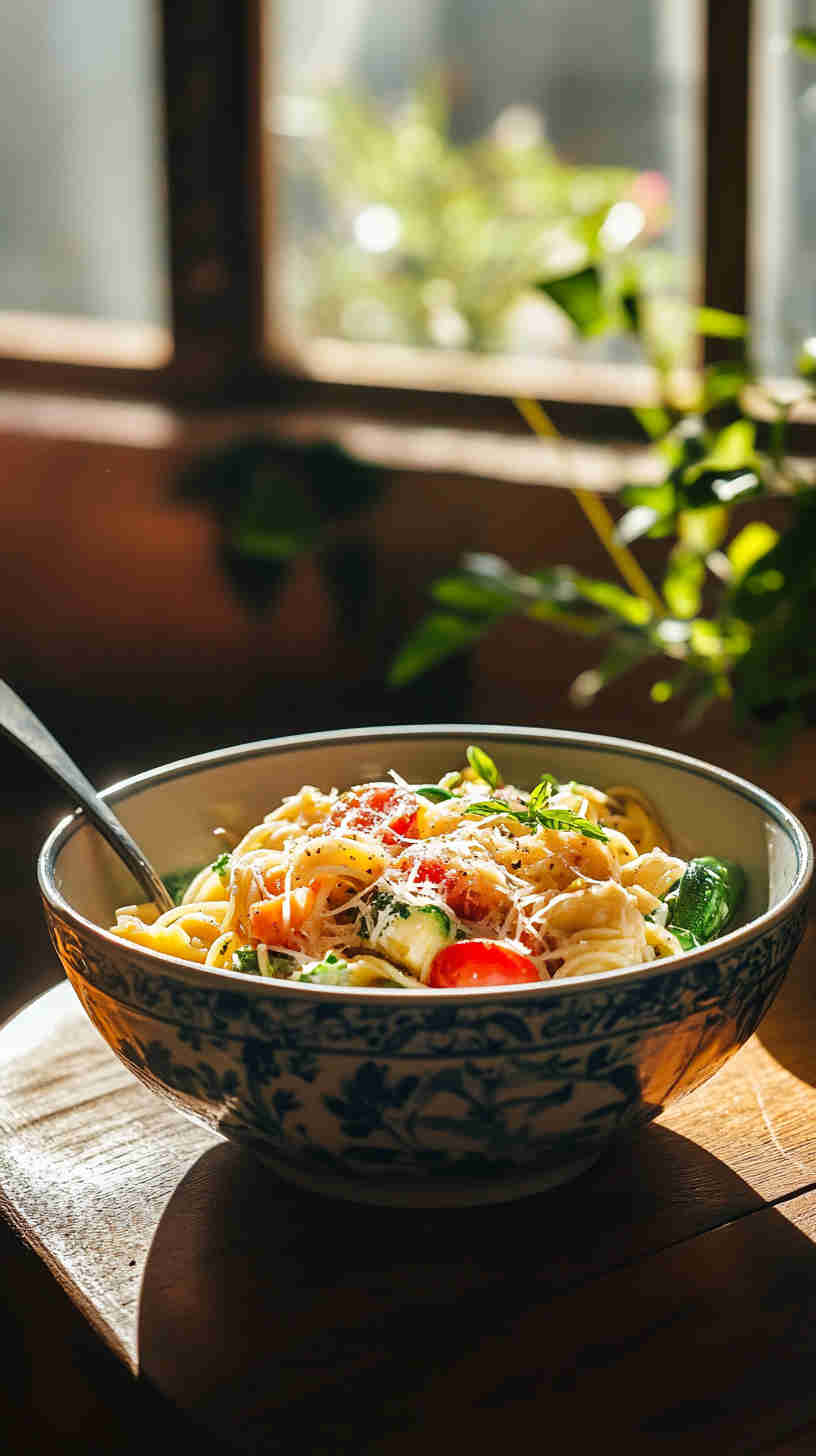
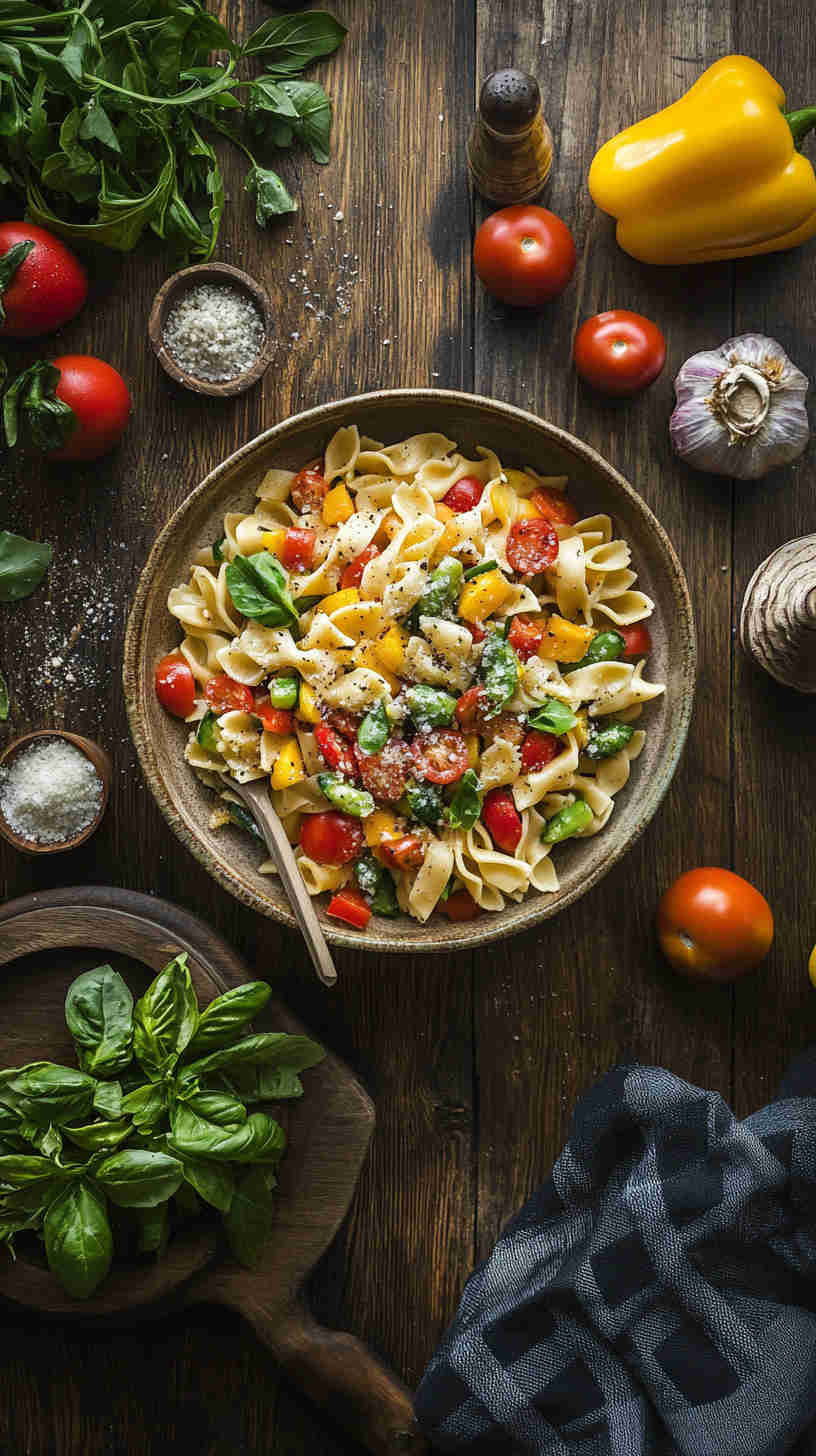
This Italian Light Pasta Primavera celebrates spring with a vibrant medley of fresh seasonal vegetables like asparagus, zucchini, bell peppers, and cherry tomatoes, tossed with al dente pasta in a bright lemon-garlic olive oil sauce. Light, refreshing, and naturally vegetarian, it’s a healthy Italian-inspired dish bursting with color and flavor.
Why You’ll Love This Recipe
You’ll adore this light Pasta Primavera because it’s incredibly fresh and vibrant, highlighting the best of seasonal produce without heavy creams or overly rich sauces. The lemony garlic olive oil dressing brings a bright, zesty lift that complements the crisp-tender veggies perfectly.
It’s quick to prepare—ready in under 30 minutes—making it ideal for busy weeknights, yet elegant enough for entertaining. Packed with colorful vegetables, it’s nutritious, vegetarian-friendly, and customizable, so everyone can enjoy it. The combination of textures and flavors feels light yet satisfying, leaving you feeling energized rather than weighed down.
Italian Light Pasta Primavera Recipe
Ingredients
Method
- Get everything ready and boiling! Bring a large pot of salted water to a rolling boil. While it’s heating, wash and chop all your colorful veggies—this dish comes together fast, so prep is key!
- Cook the pasta perfectly. Add the penne to the boiling water and cook according to package instructions until al dente (about 10-12 minutes). Reserve 1 cup of pasta water before draining—it’s liquid gold for the sauce!
- Sauté the garlic with love. In a large skillet over medium heat, warm 2 tablespoons of olive oil. Add the sliced garlic and cook for 1 minute until fragrant (don’t let it burn—keep it golden!).
- Add the hearty veggies first. Toss in the asparagus, zucchini, yellow squash, and red bell pepper. Season with salt and pepper. Sauté for 5-7 minutes, stirring occasionally, until tender-crisp and beautifully vibrant.
- Bring in the tomatoes and peas. Add the halved cherry tomatoes and peas to the skillet. Cook for another 2-3 minutes until tomatoes soften slightly and peas are heated through.
- Brighten it up with lemon magic. Stir in the lemon zest and juice. This is where the fresh, zesty Italian flavor really pops!
- Combine with the pasta. Add the drained pasta directly to the skillet along with the reserved pasta water (start with 1/2 cup). Toss everything together over low heat for 1-2 minutes to create a silky sauce.
- Finish with cheese and herbs. Remove from heat and stir in the grated Parmesan, torn basil, and chopped parsley. Drizzle with the remaining 1 tablespoon olive oil for extra gloss.
- Taste and adjust. Give it a good toss, taste, and season with more salt, pepper, or lemon juice as needed. If it seems dry, add more pasta water.
- Serve with joy! Plate immediately, top with extra Parmesan and a sprinkle of black pepper. Enjoy this light, colorful masterpiece—your taste buds will thank you!
Notes
- Keep veggies crisp-tender for the best texture.
- Use high-quality olive oil and fresh lemon for authentic flavor.
- This is naturally vegetarian; add protein like grilled chicken or shrimp for variety.
Recipe Tips and Tricks
- Use fresh, in-season vegetables for the best flavor and texture—avoid overcooking them to keep them crisp-tender.
- Reserve plenty of pasta cooking water to thin the sauce if needed; it creates a silky emulsion without adding cream.
- Cook pasta al dente and immediately toss with veggies and sauce to absorb flavors.
- Zest the lemon before juicing for easy incorporation.
- Taste and adjust seasoning at the end—freshly ground black pepper and extra Parmesan elevate it.
- For extra brightness, add a splash of white wine to the sautéed veggies.
Ingredients Notes
This recipe uses simple, high-quality ingredients to let the vegetables shine. Extra-virgin olive oil forms the base of the light sauce, providing richness without heaviness—choose a good-quality one for the best flavor.
Fresh garlic and lemon add aromatic brightness and acidity. Penne or farfalle pasta works perfectly as it holds the sauce well. Vegetables like asparagus, zucchini, yellow squash, bell peppers, cherry tomatoes, and peas are seasonal stars—opt for crisp, vibrant ones. Fresh basil and parsley bring herbal freshness, while grated Parmesan (or Pecorino) adds a nutty, salty finish. Use kosher salt and freshly cracked black pepper for seasoning to taste.
Variations and Substitutions
This recipe is highly adaptable! For a vegan version, omit the Parmesan or substitute with nutritional yeast or vegan cheese. Swap penne for spaghetti, fusilli, or whole-wheat pasta for added fiber. Add protein like grilled chicken, shrimp, or chickpeas for a heartier meal.
Vegetable variations include broccoli, green beans, mushrooms, spinach, or artichoke hearts—use whatever is fresh and in season. For a creamier twist, stir in a splash of light cream or coconut milk. If you prefer more heat, add red pepper flakes. In winter, use frozen peas or roasted root veggies. Substitute herbs with oregano, thyme, or mint for different flavor profiles.
Storage Options
Store leftovers in an airtight container in the refrigerator for up to 3 days. Reheat gently in a skillet with a splash of water or olive oil to loosen the sauce—avoid microwaving to prevent soggy veggies. This dish is best enjoyed fresh, but it makes great cold pasta salad too! Do not freeze, as the vegetables lose texture upon thawing.
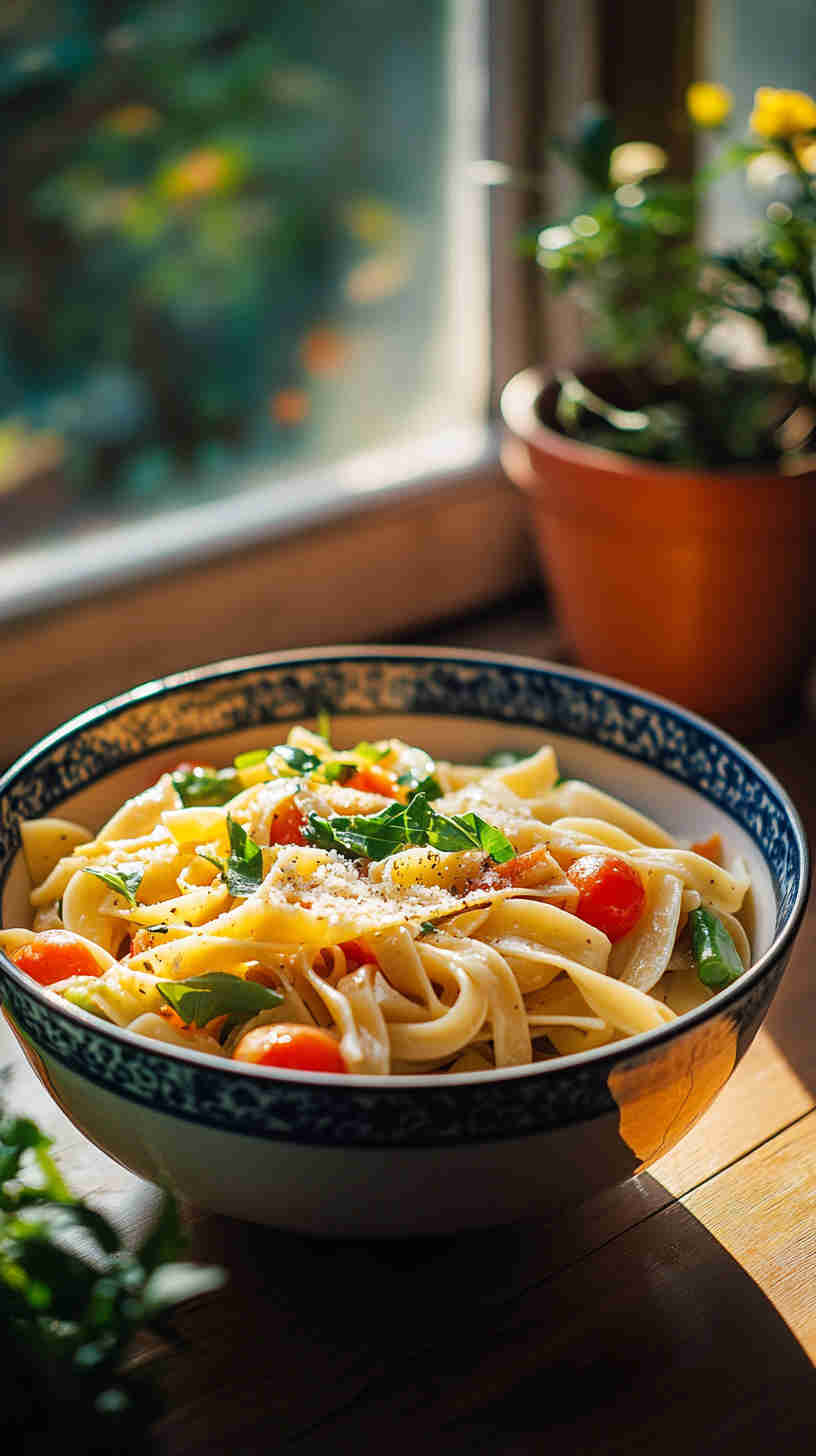
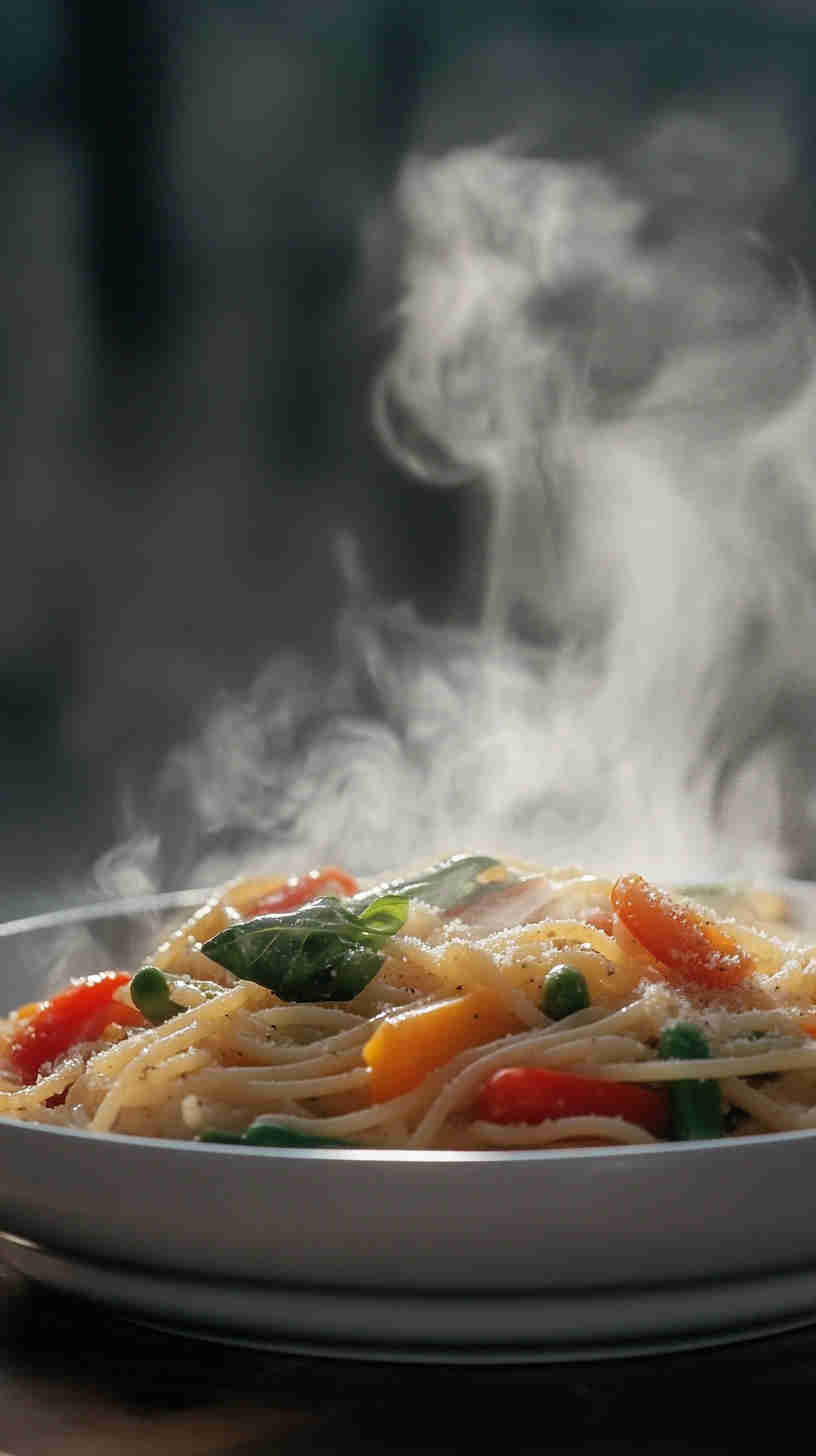
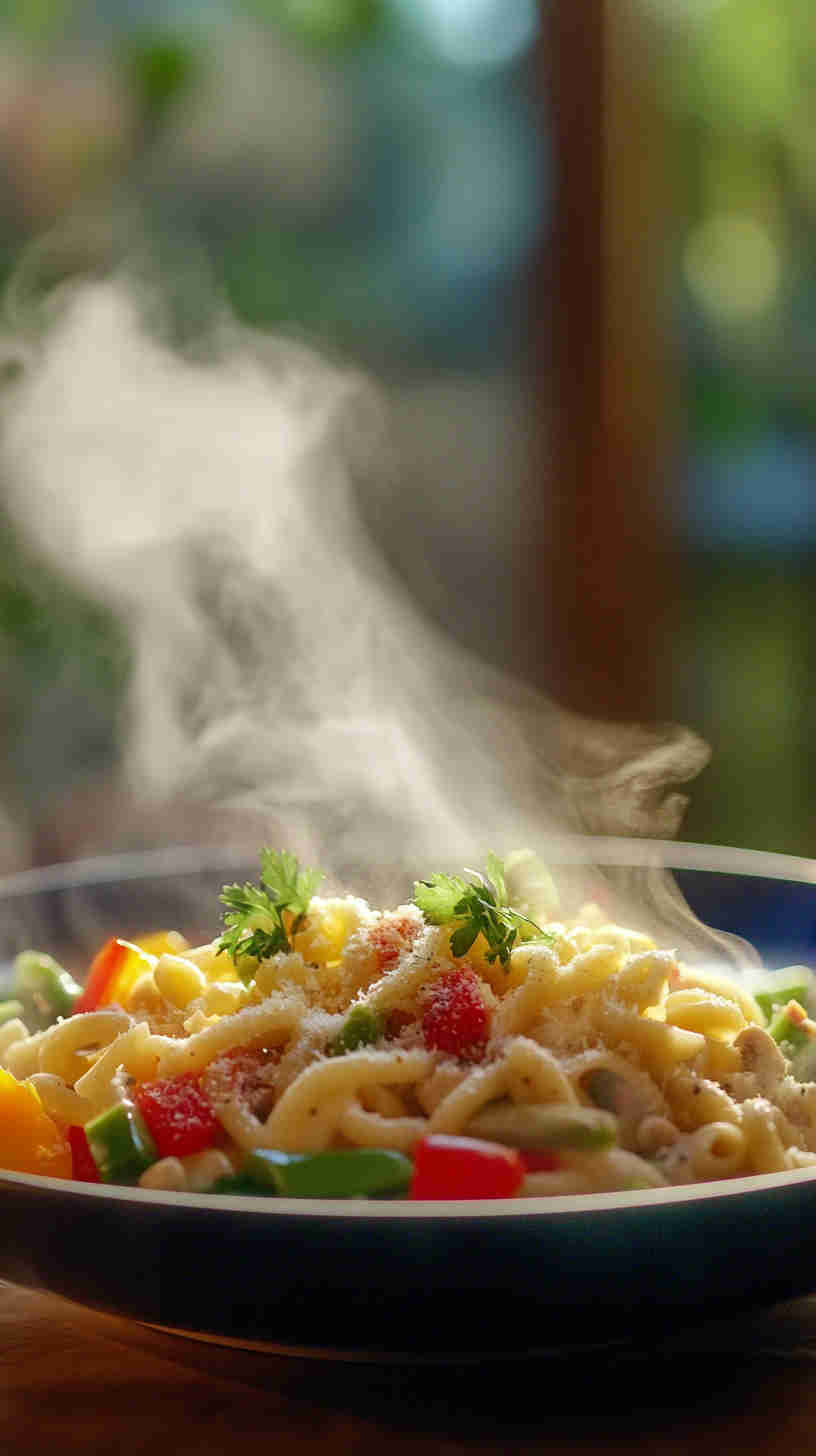
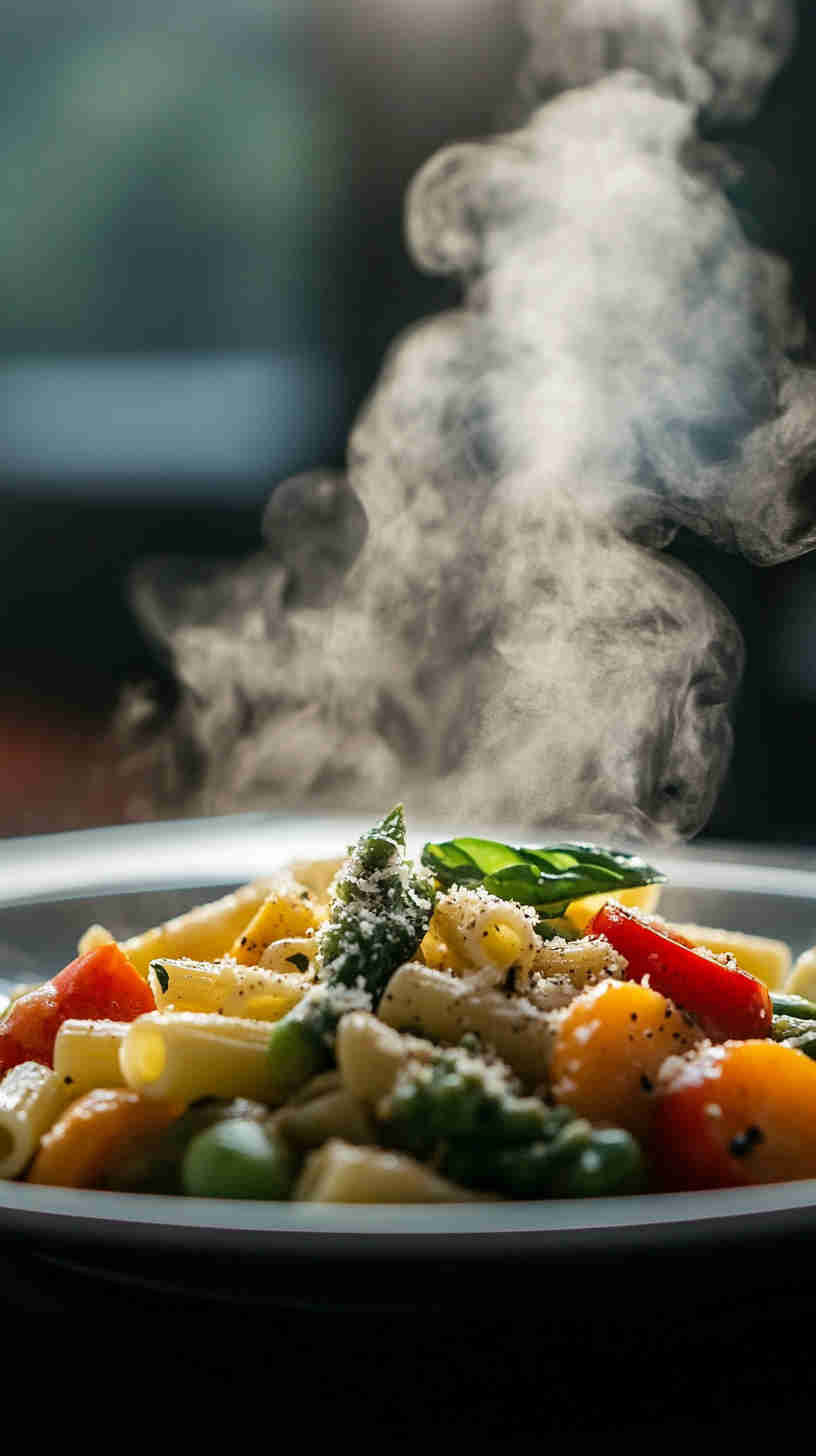
Dish Gallery
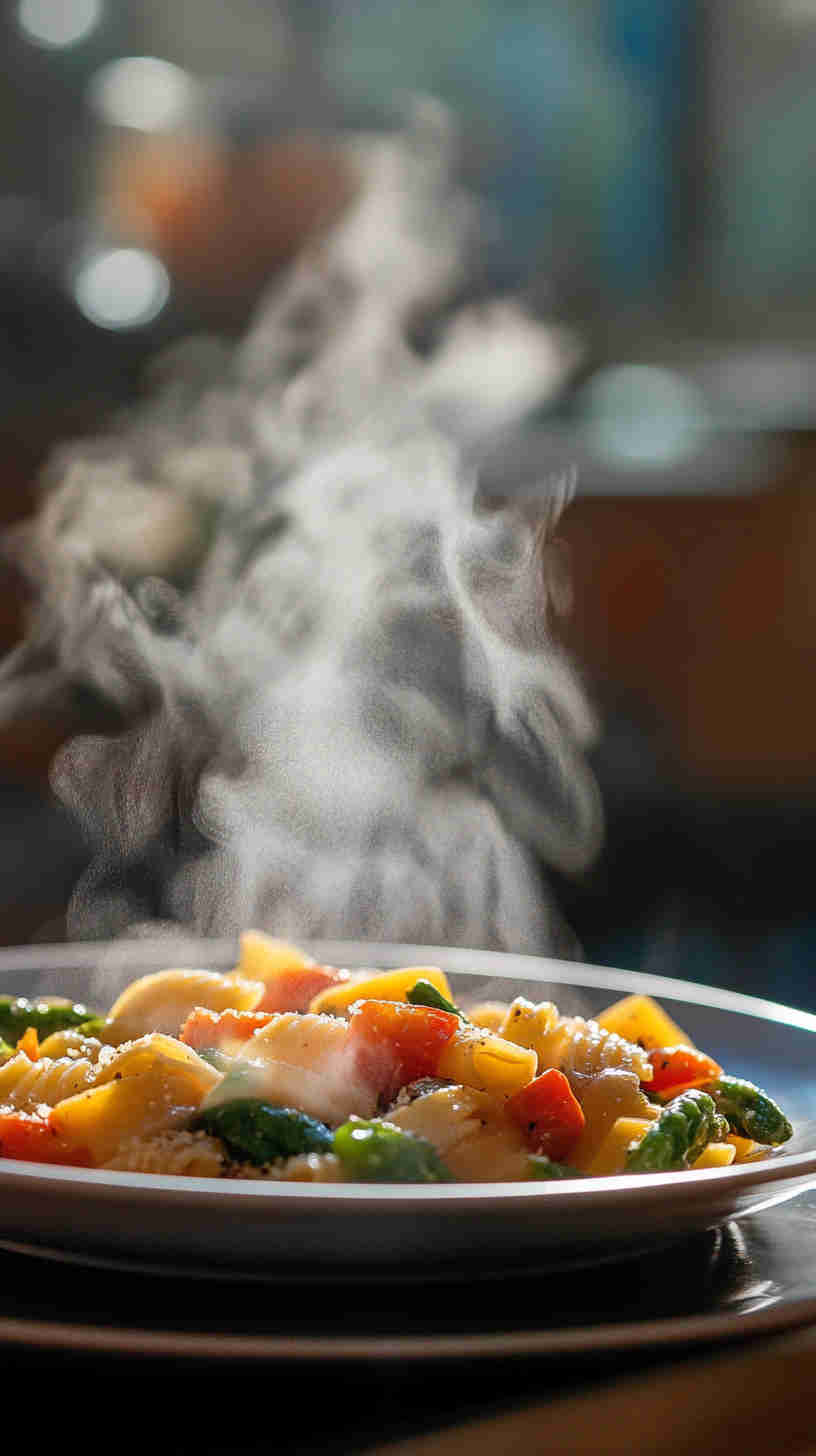
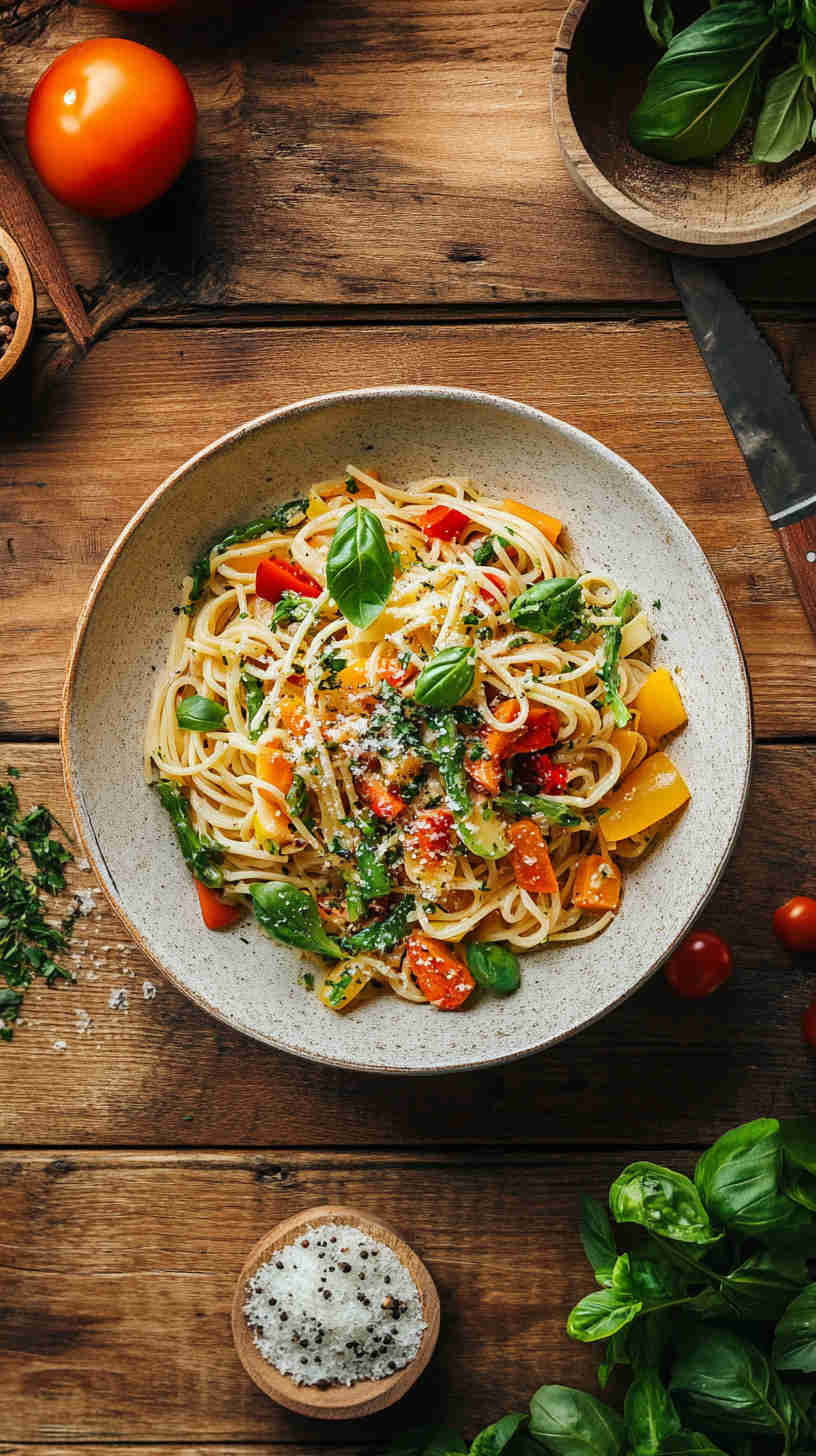
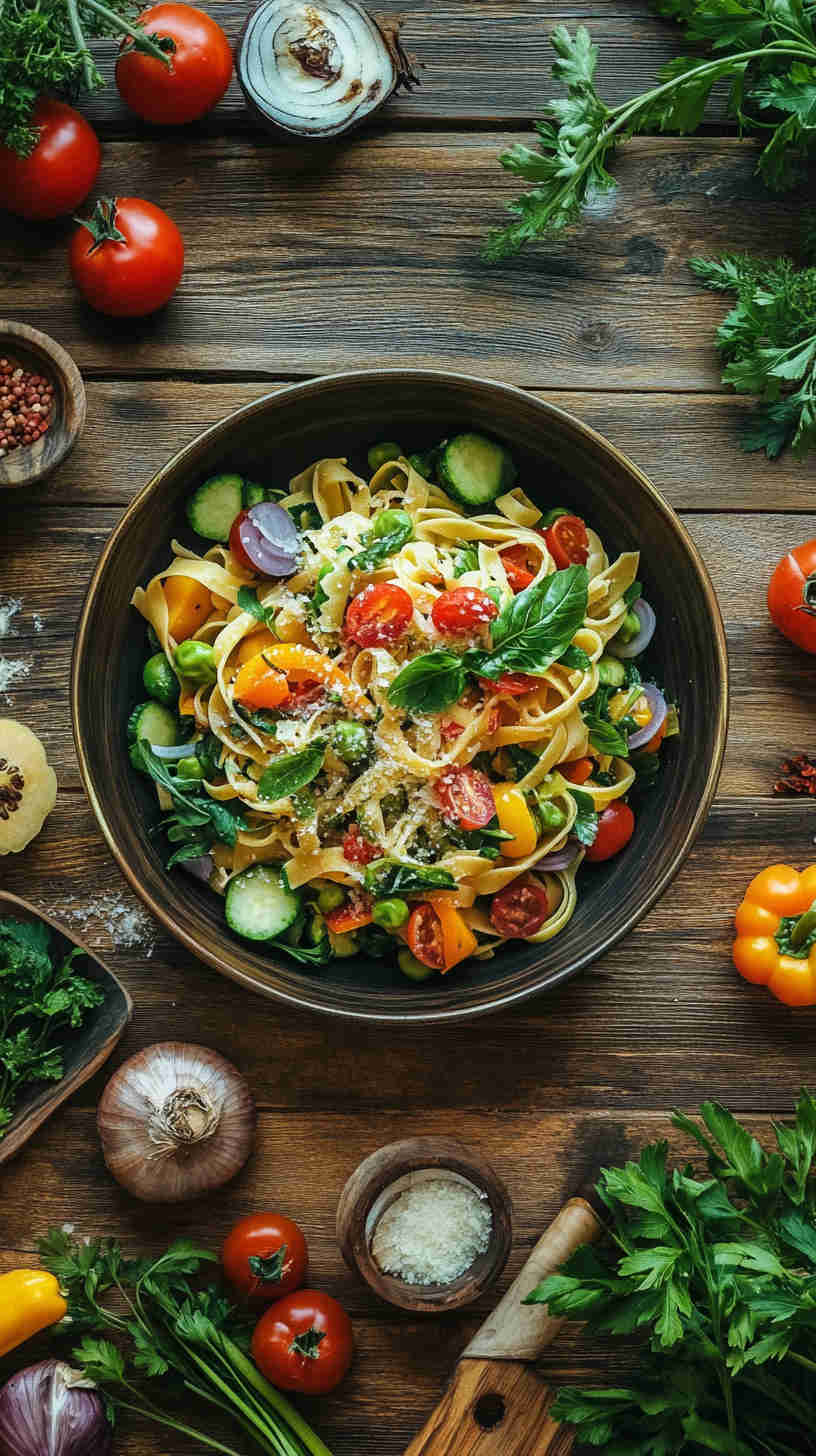
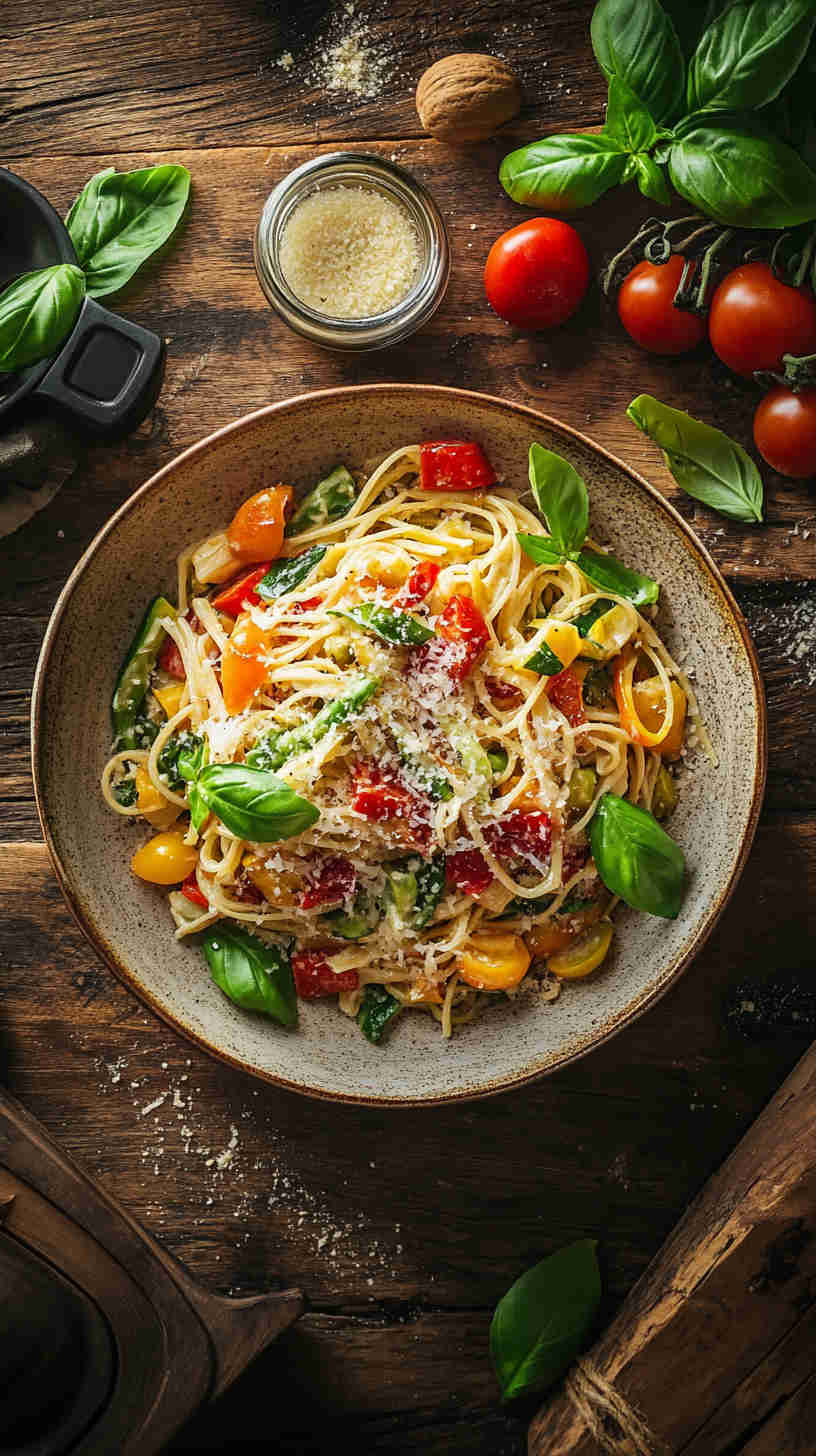
Let’s meet on next recipe. Until you can read Pappardelle with Bolognese Sauce Recipe