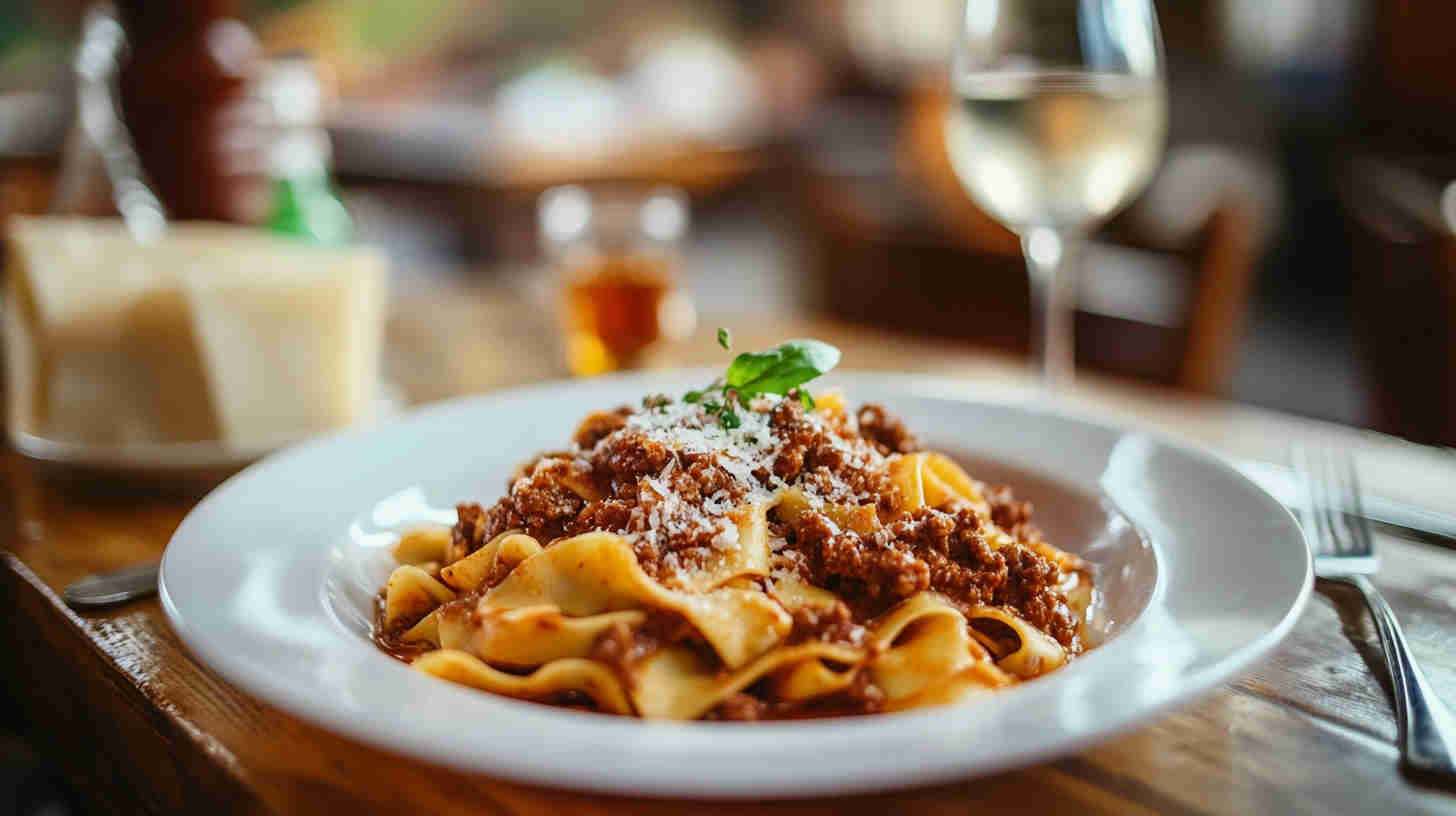
Pappardelle with Bolognese Sauce Recipe
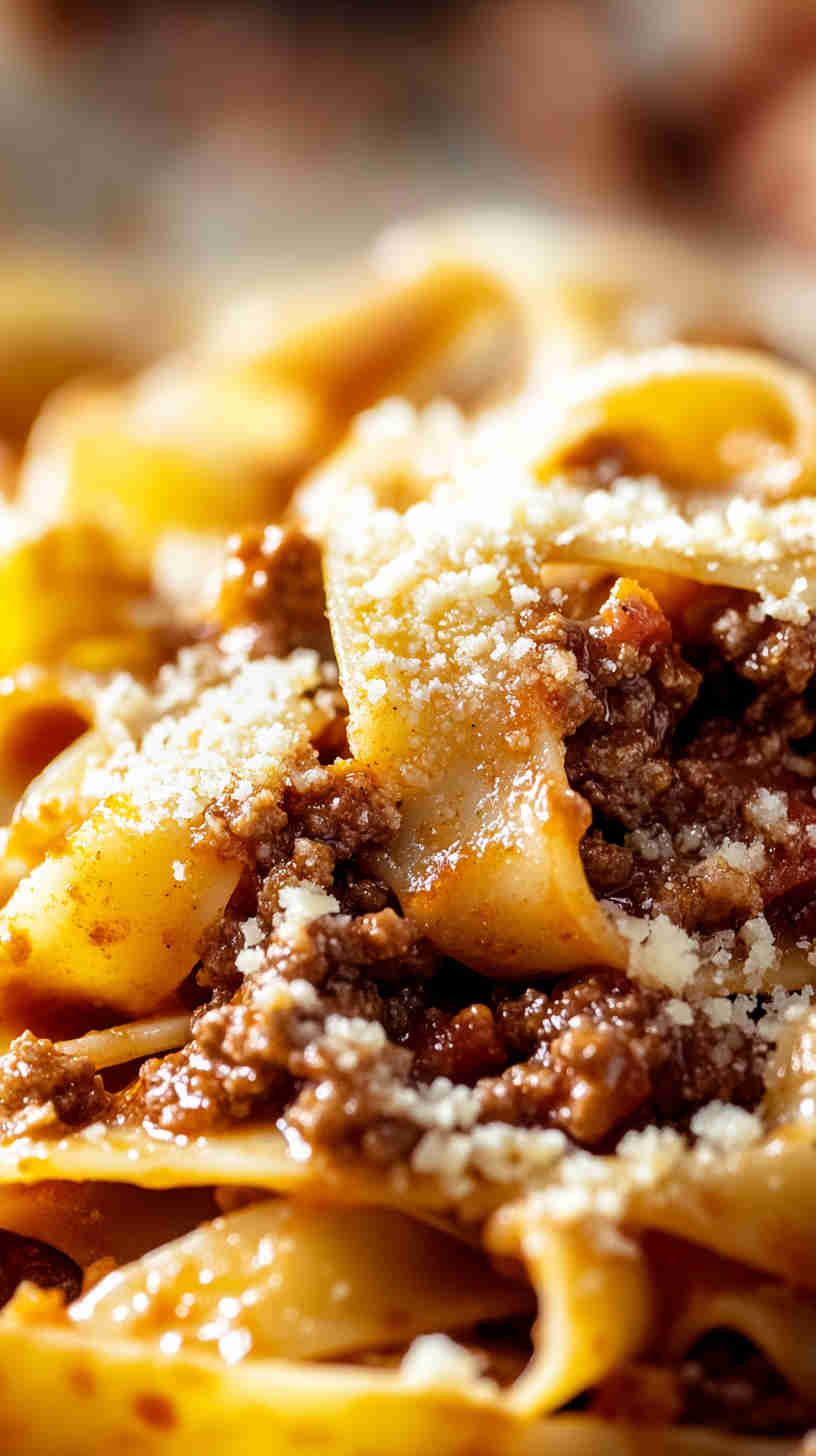
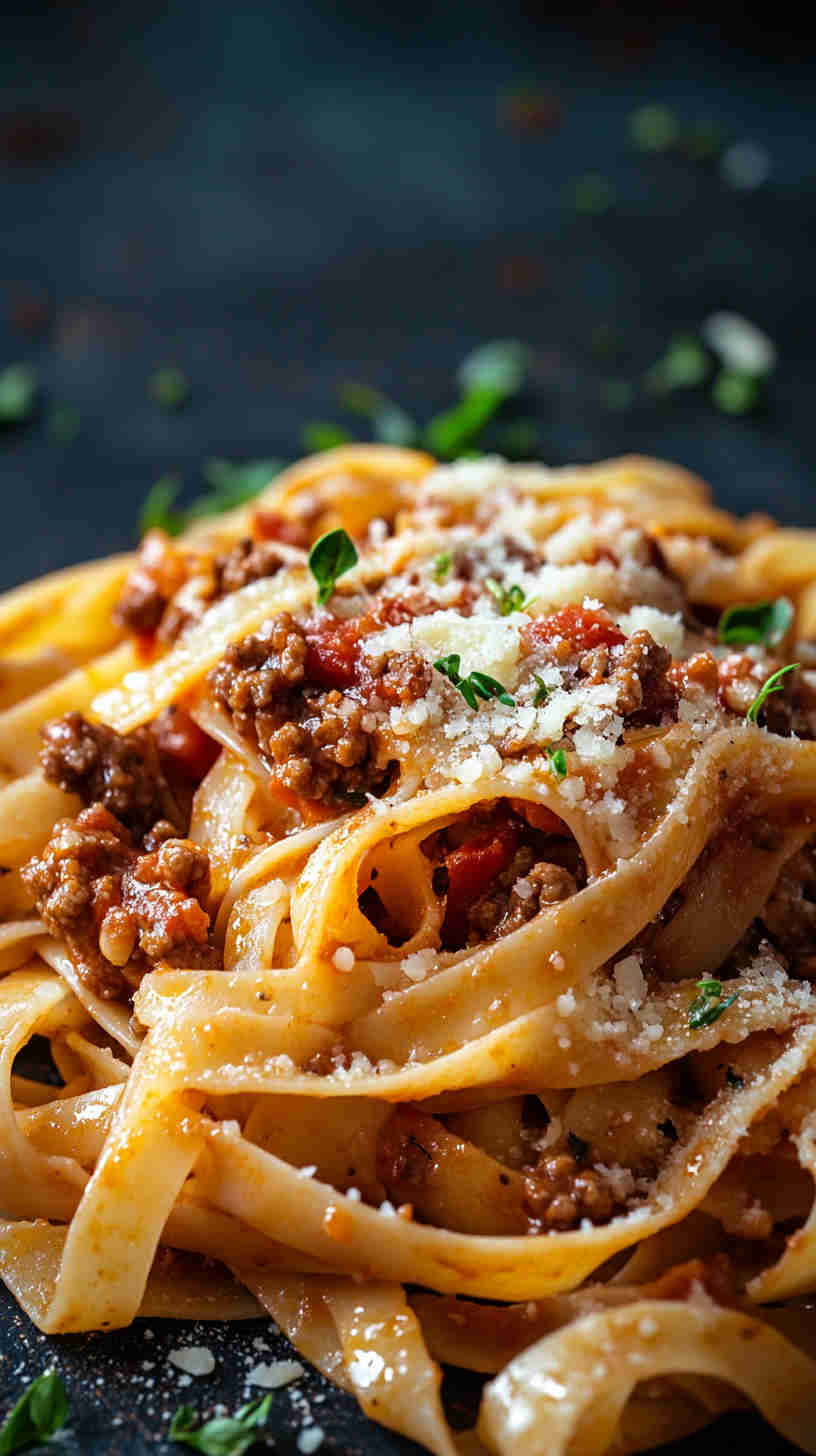
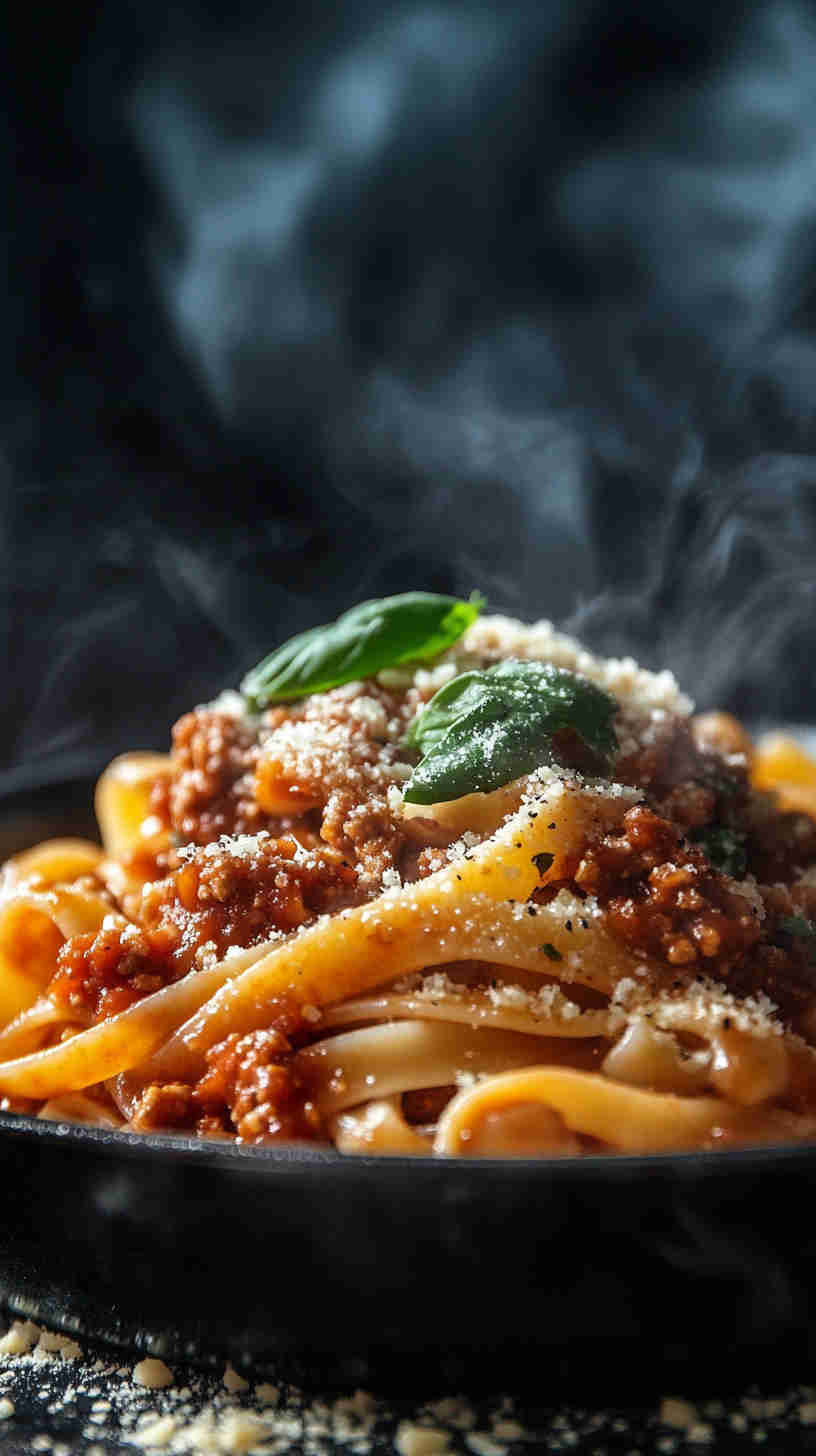
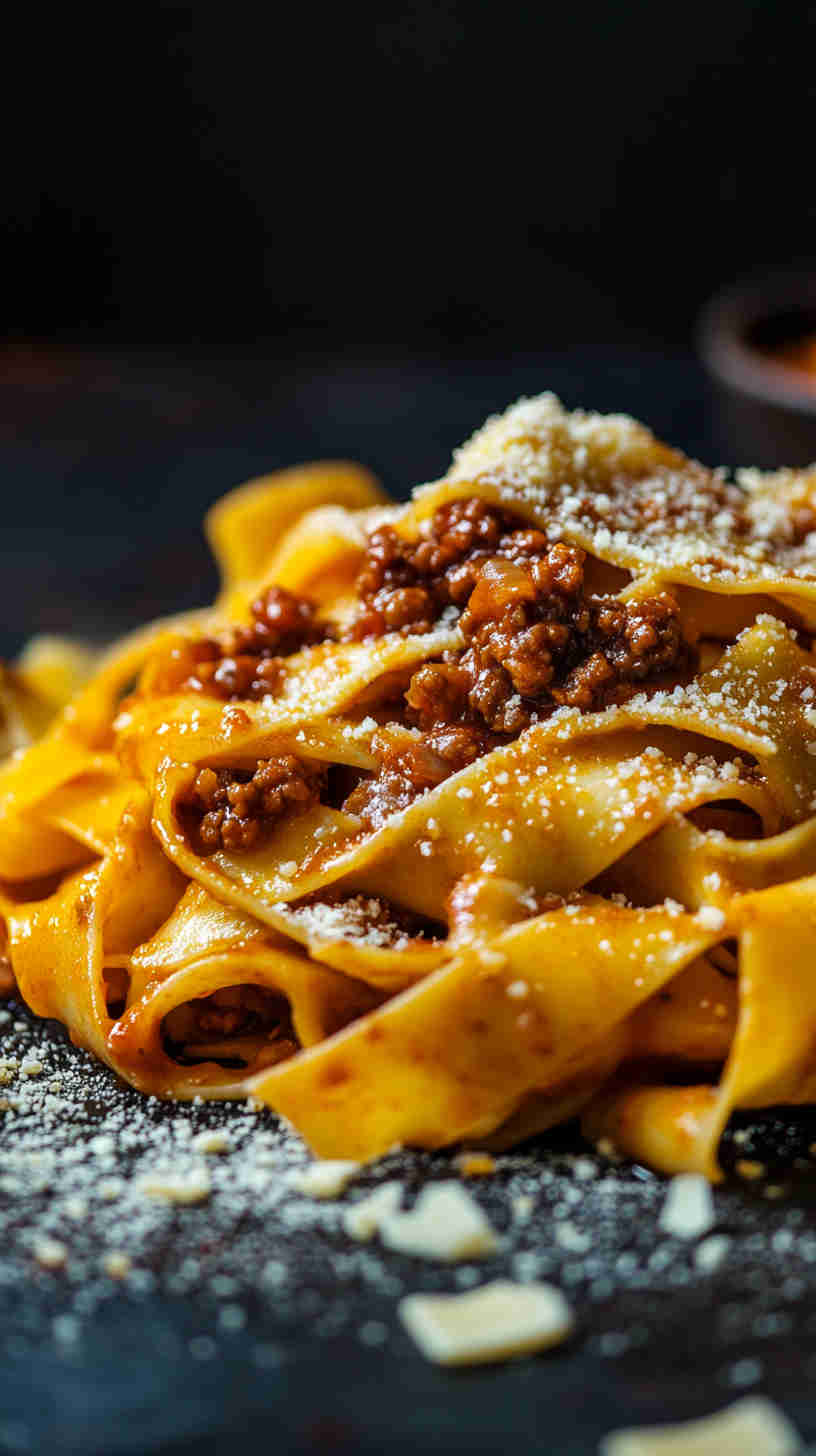
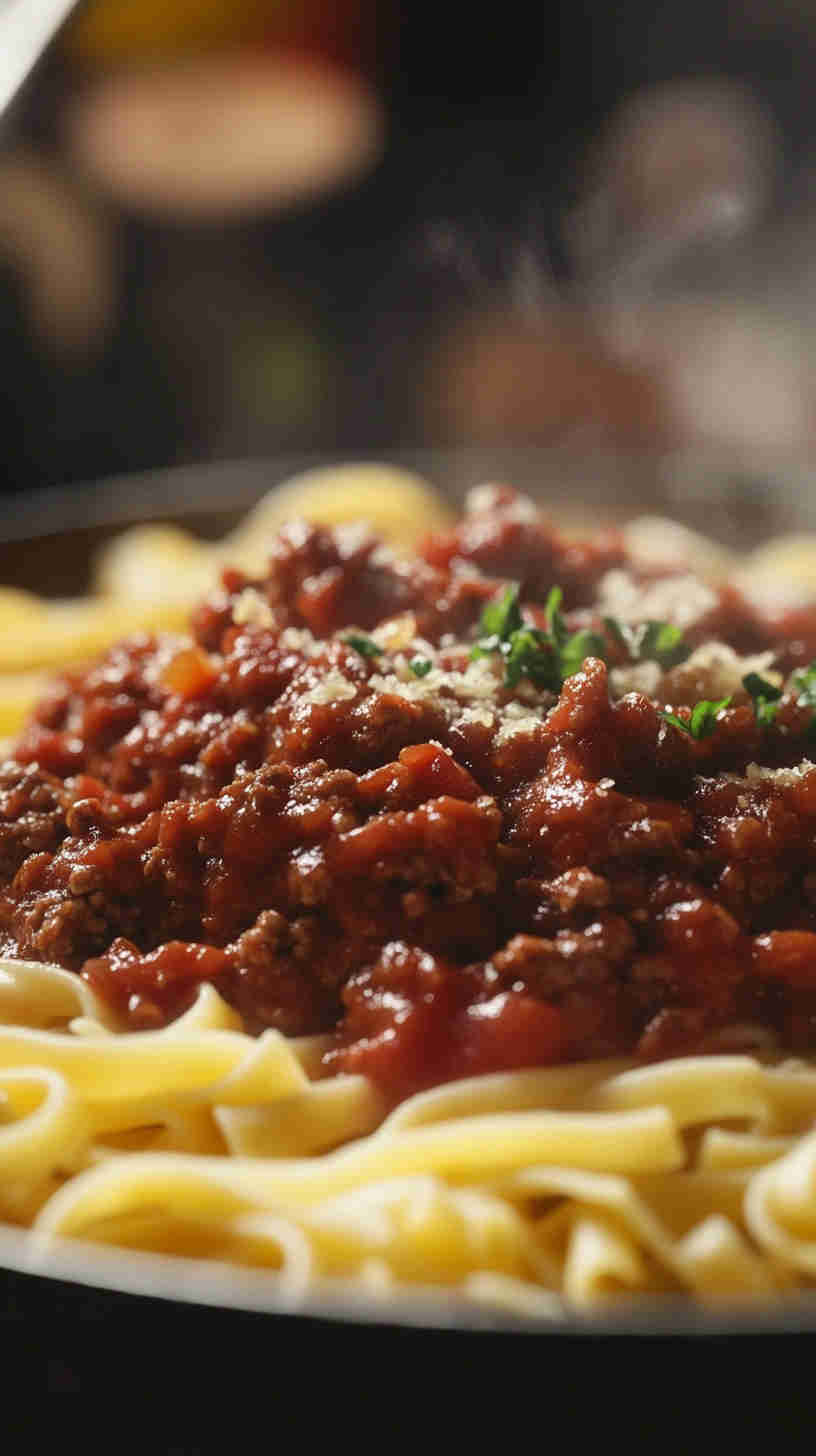
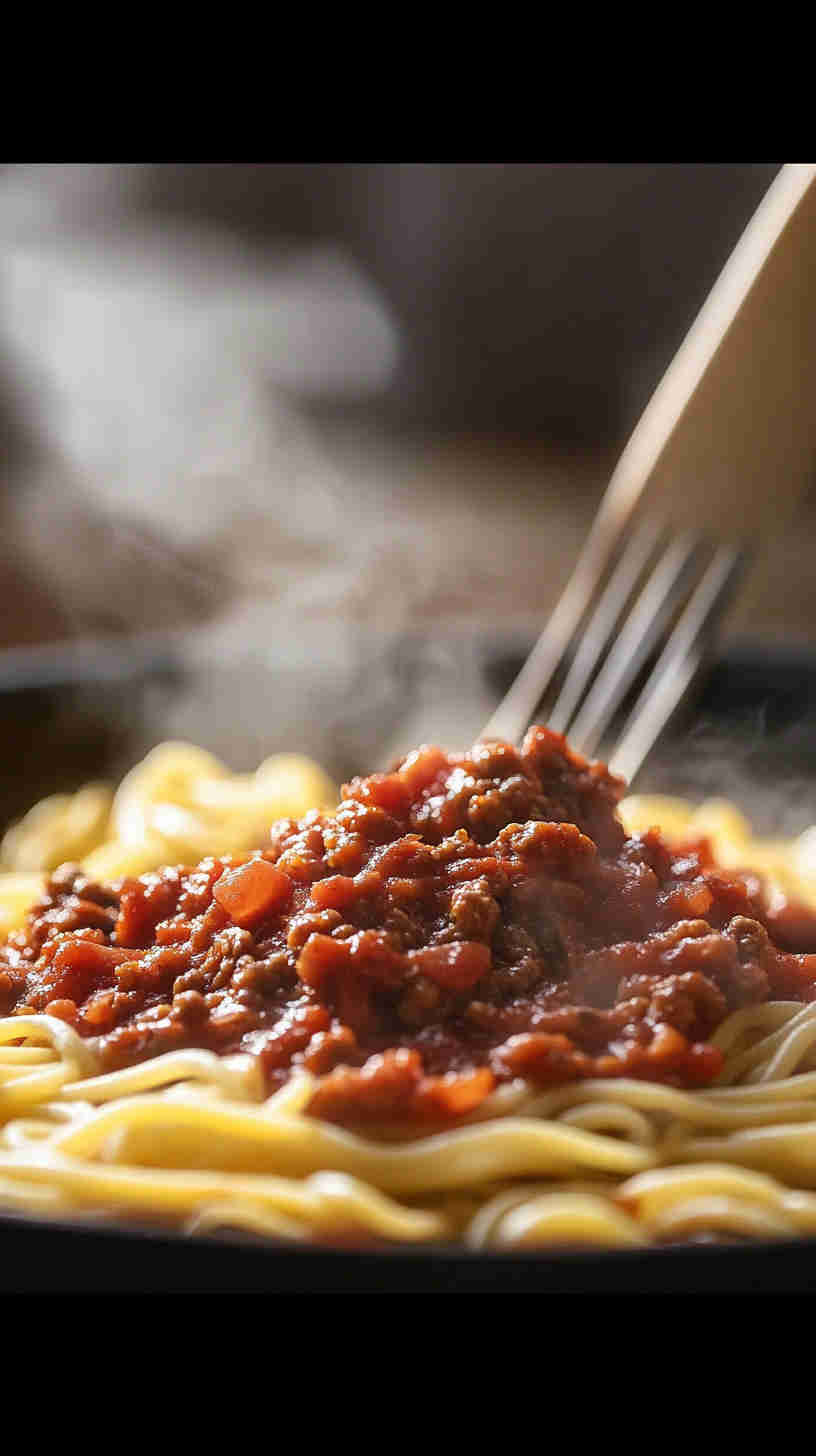
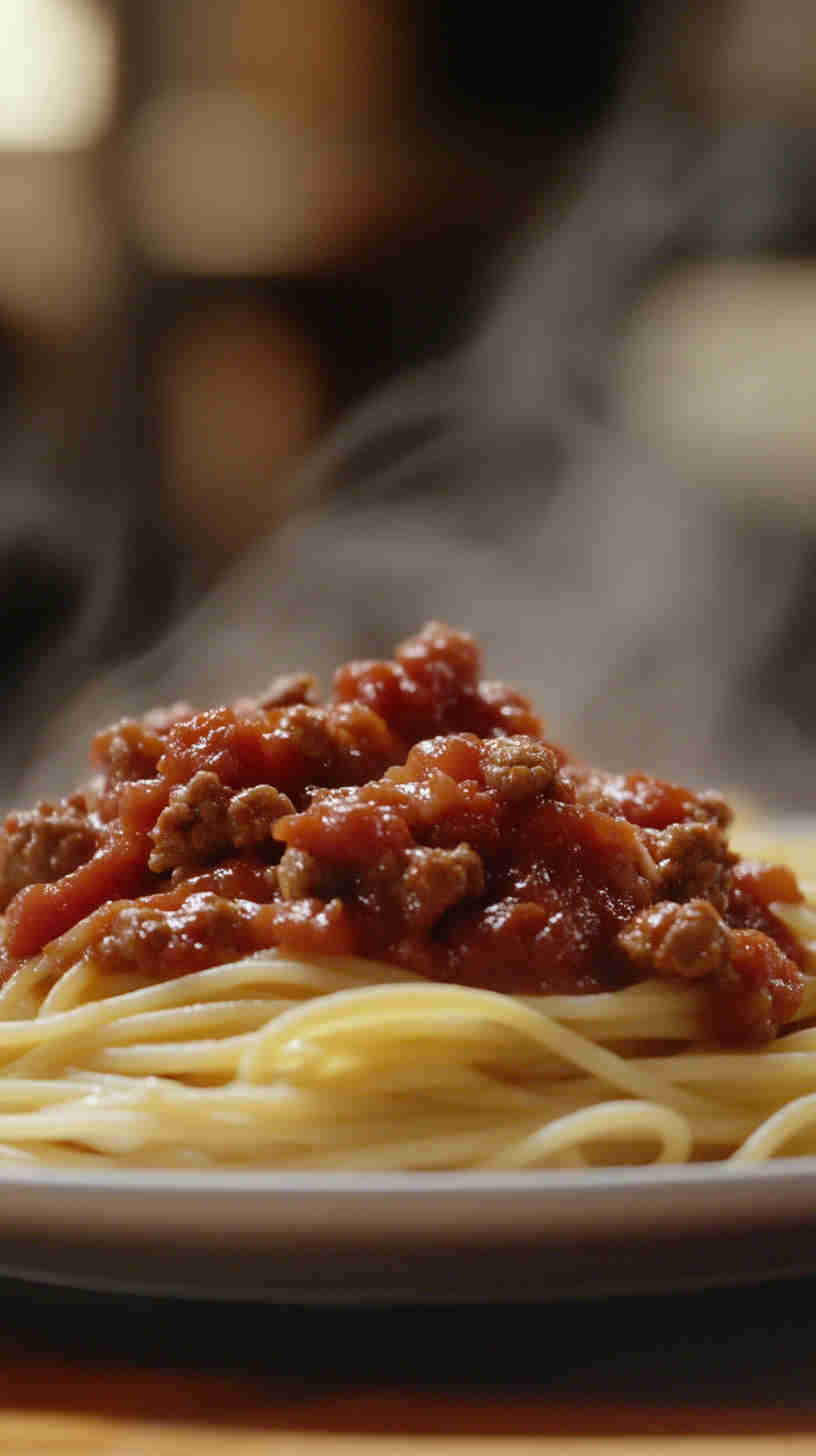
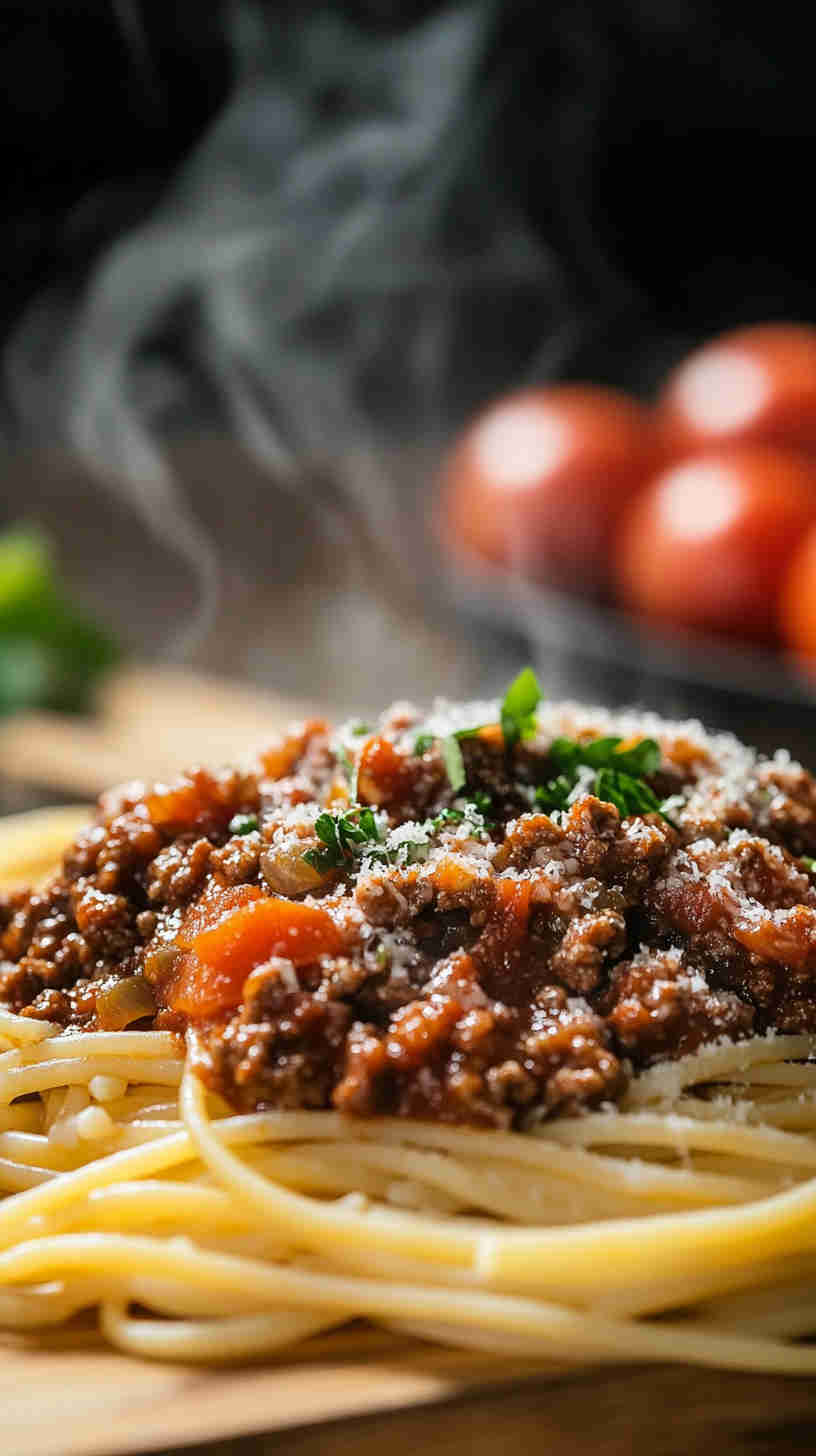
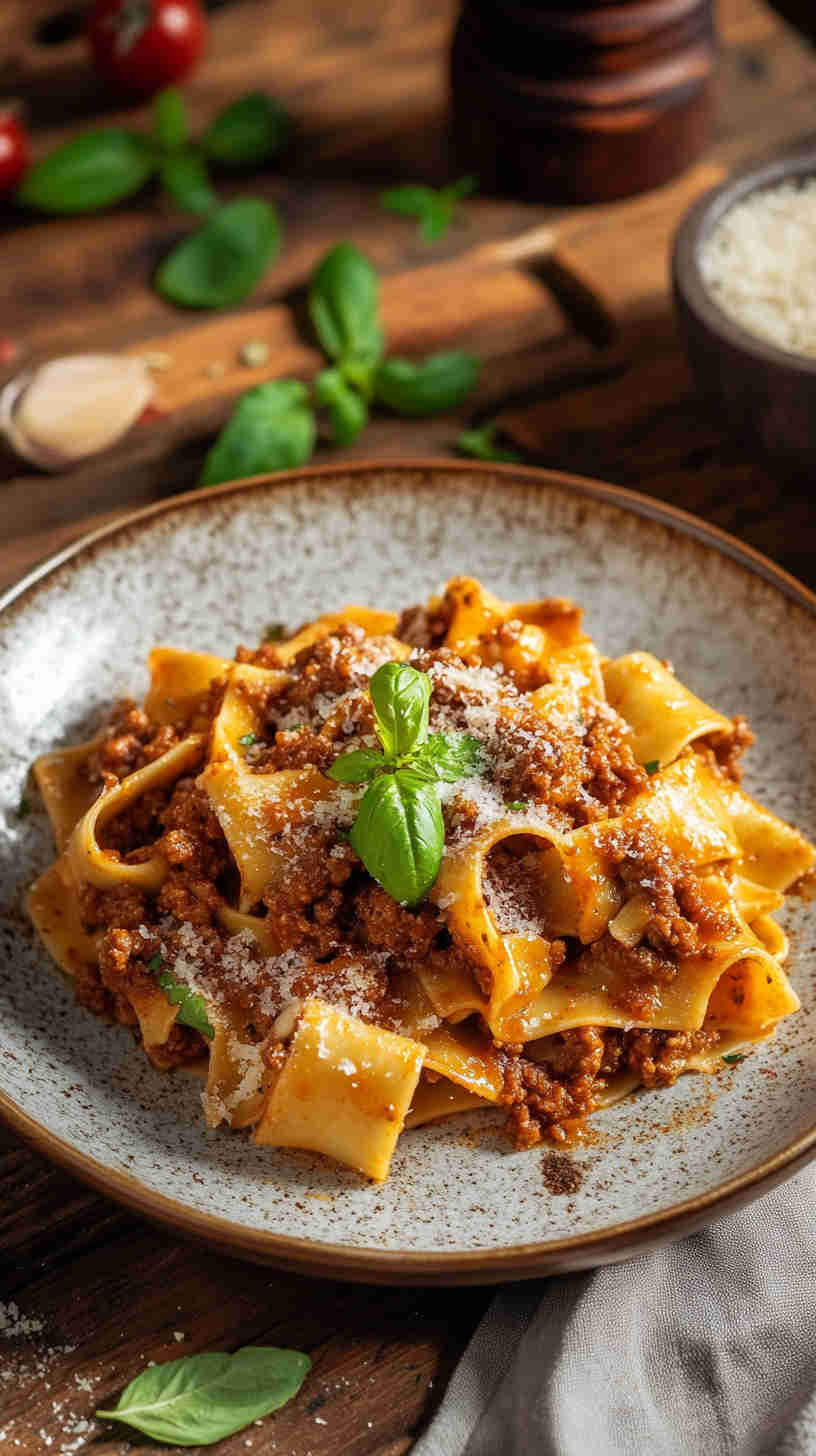
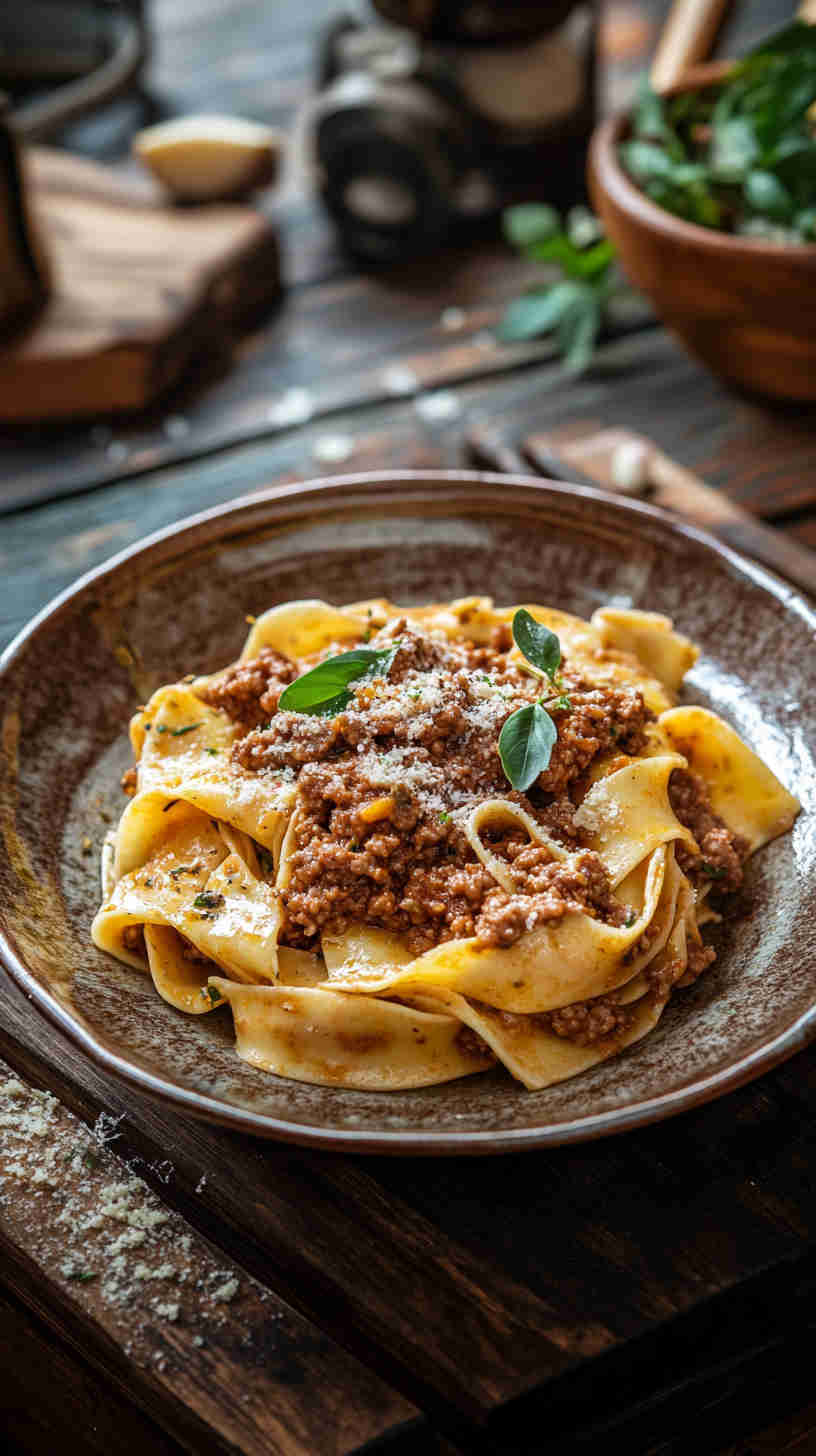
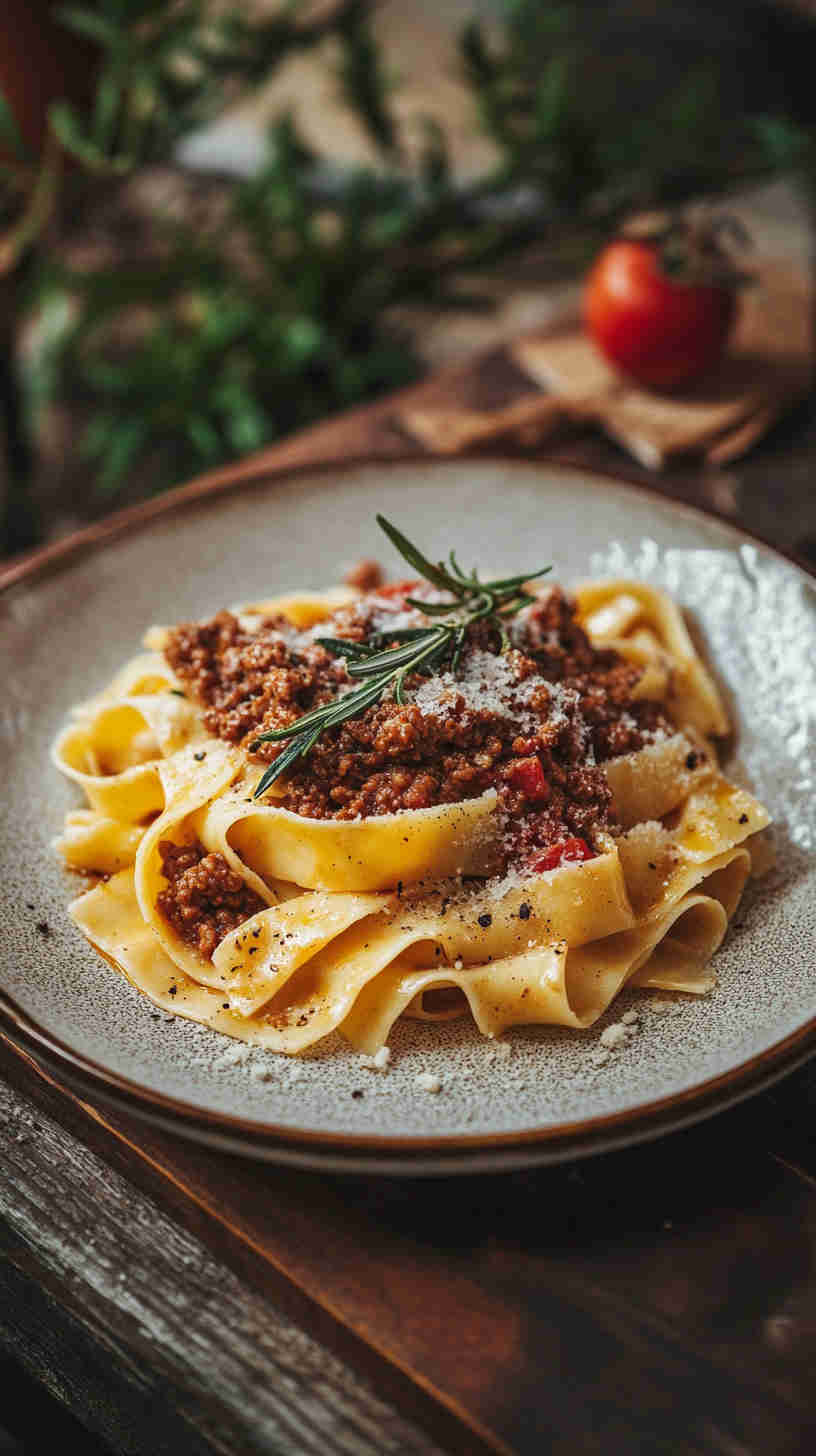
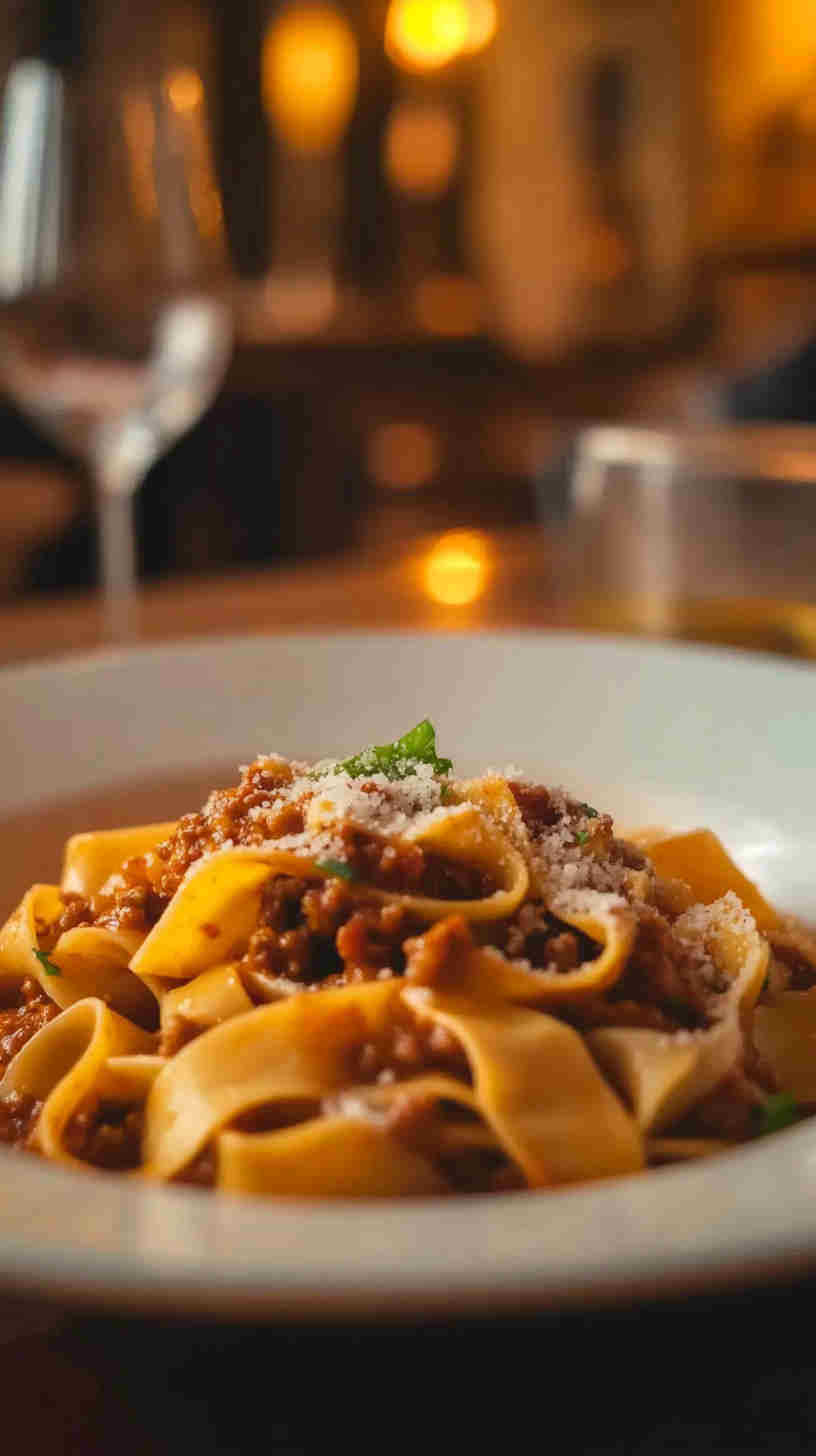
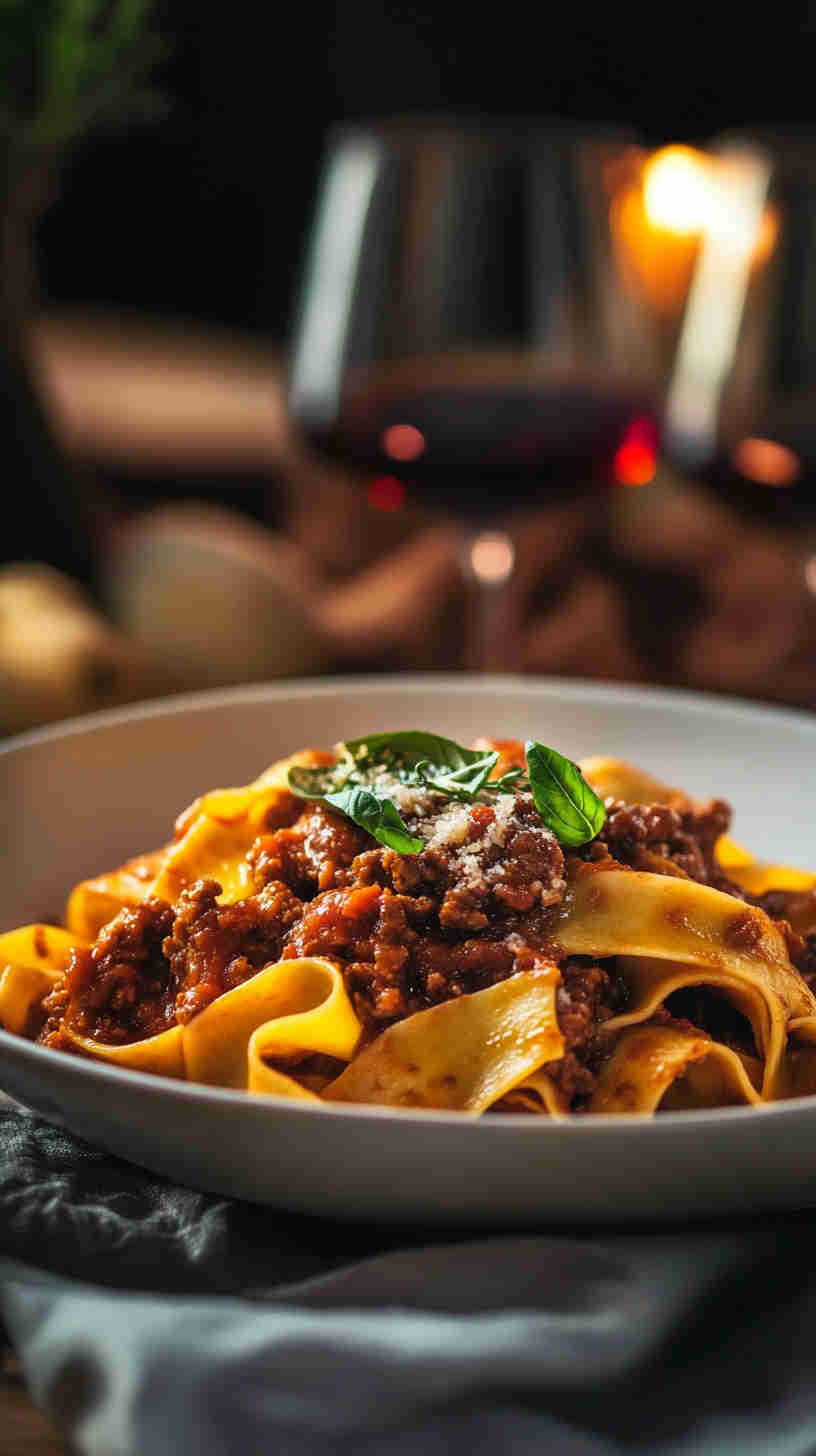
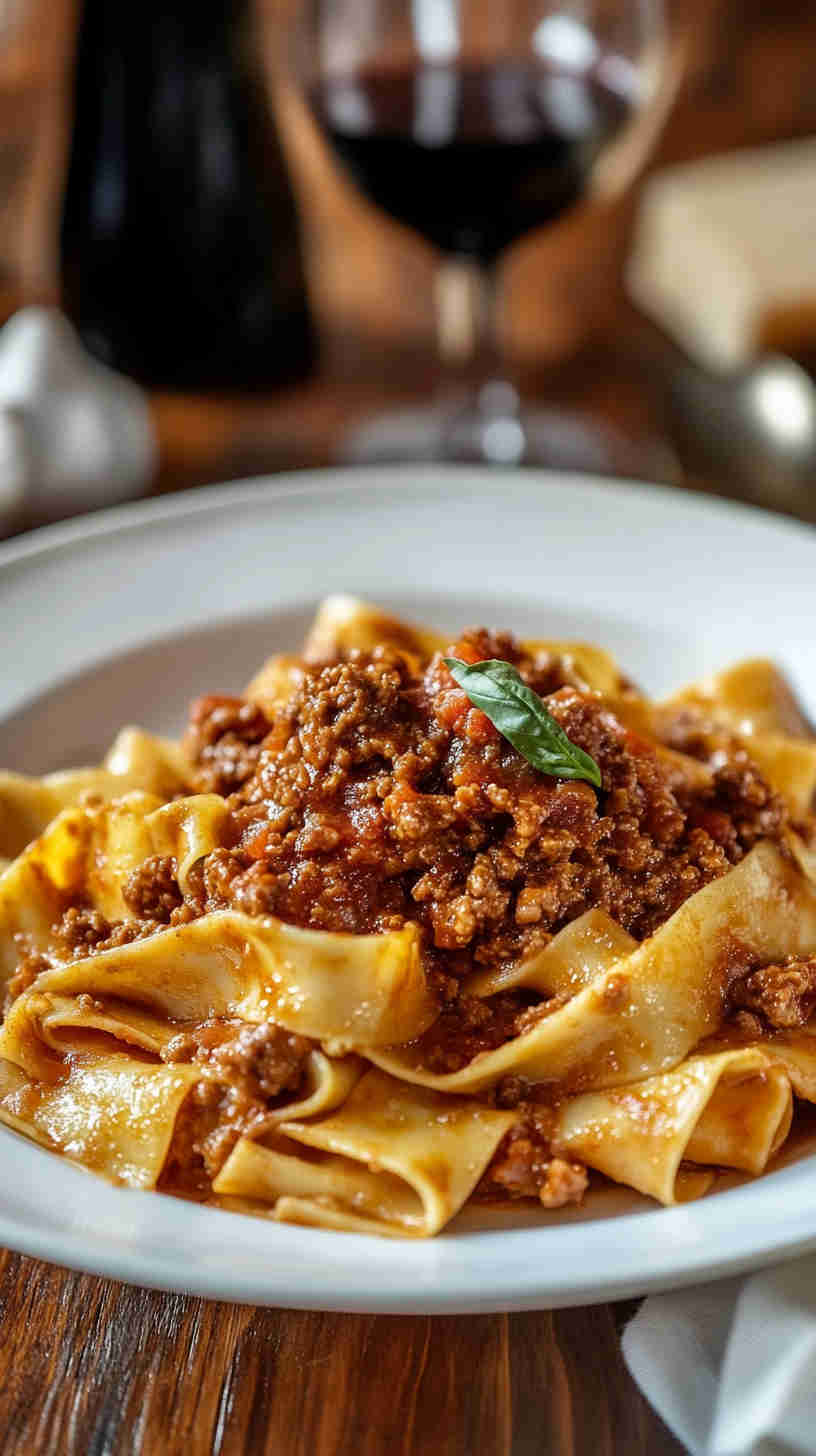
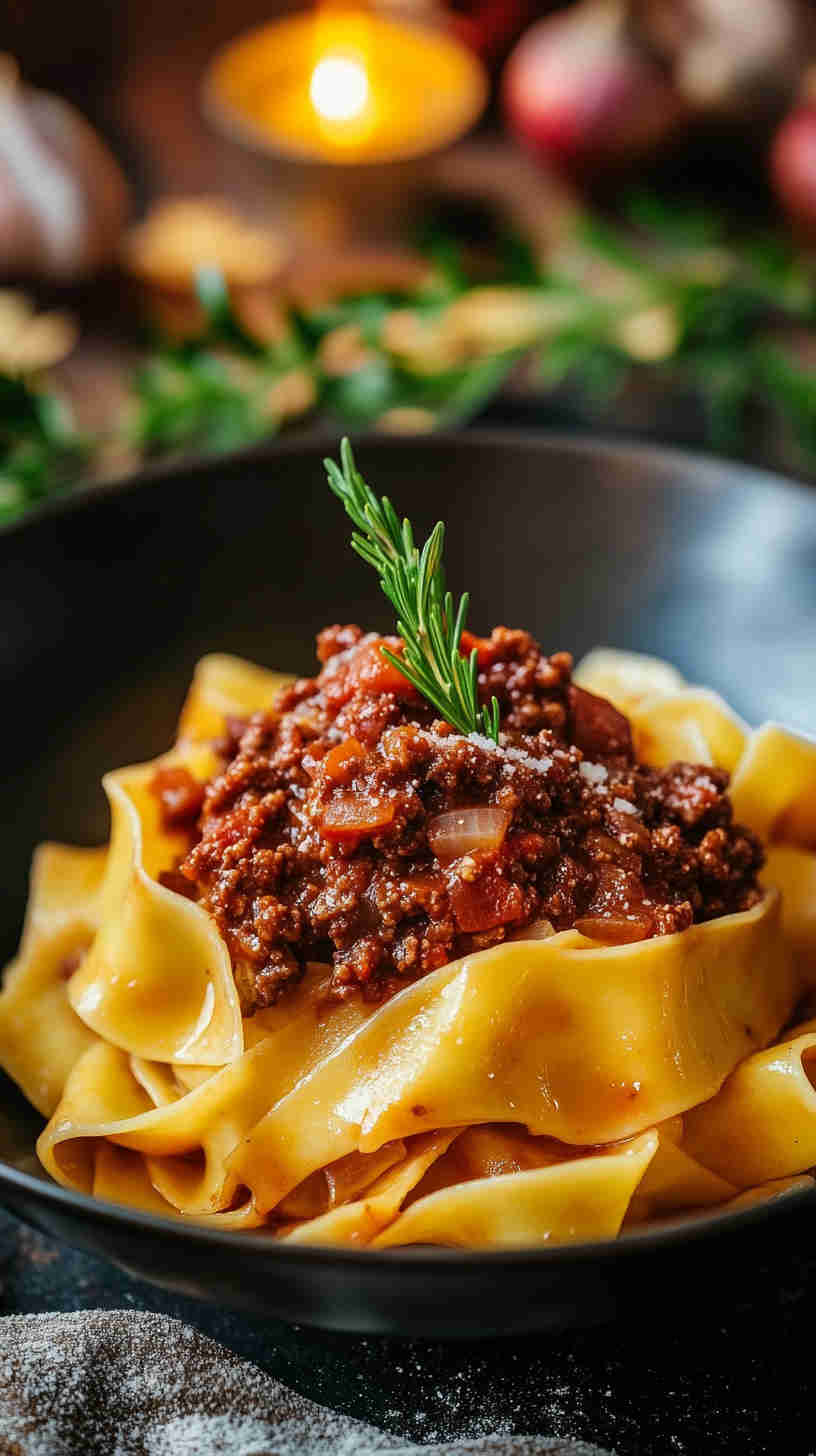
This classic Pappardelle with Bolognese Sauce features wide ribbons of egg pasta tossed in a rich, slow-simmered ragù alla bolognese made with ground beef, pork, pancetta, aromatic vegetables, milk, and wine. The hearty, velvety sauce clings perfectly to the pasta for an authentic Italian comfort meal.
Why You’ll Love This Recipe:
This recipe captures the true essence of Italian ragù alla bolognese, slow-cooked to develop deep, layered flavors that make every bite incredibly satisfying. The wide pappardelle noodles provide the ideal texture to hold the thick, meaty sauce, while the addition of milk tenderizes the meat and creates a silky finish.
It’s a labor of love that rewards patience with restaurant-quality results—perfect for special dinners, family gatherings, or cozy nights in. You’ll love how the simple ingredients transform into something luxurious and comforting, far superior to any jarred sauce, with that irresistible aroma filling your home for hours.
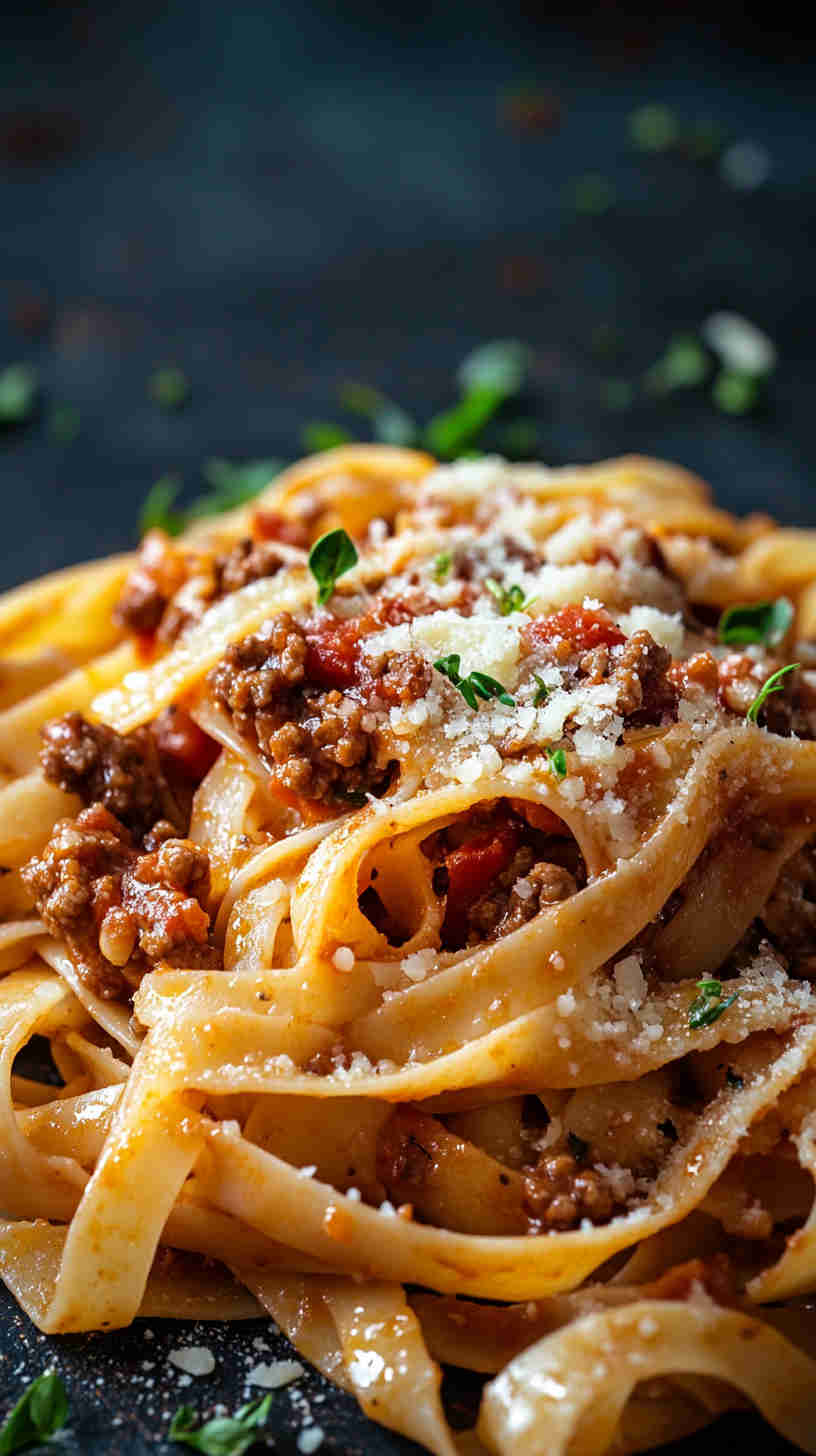
Pappardelle with Bolognese Sauce Recipe
Ingredients
Method
- Get your soffritto going: In a large heavy pot or Dutch oven, heat the olive oil and butter over medium heat. Add the diced onion, carrot, celery, and pancetta. Sauté gently for 8-10 minutes until soft, fragrant, and golden— this aromatic base is the soul of your ragù!
- Brown the meat: Crank the heat to medium-high and add the ground beef and pork. Break it up with a wooden spoon, season with salt, pepper, and a pinch of nutmeg. Cook until browned and no pink remains (about 10 minutes)—don’t rush this step for maximum flavor!
- Add the milk magic: Pour in the milk and simmer gently, stirring often, until it’s mostly absorbed and the meat is tender (about 15-20 minutes). This tenderizes the meat beautifully!
- Splash in the wine: Add the wine and let it bubble away until almost evaporated, stirring to lift any tasty bits from the bottom.
- Build the sauce: Stir in the tomato paste and cook for 2 minutes. Add the crushed tomatoes, bay leaves, and enough stock to cover. Bring to a gentle simmer.
- Slow and low simmer: Reduce heat to the lowest setting, partially cover, and let it bubble away for 3-4 hours. Stir occasionally, adding more stock if it thickens too much. The sauce should be rich, thick, and deeply flavorful—taste and adjust seasoning!
- Prep the pasta: About 15 minutes before serving, bring a large pot of salted water to a boil. Cook the pappardelle until just al dente (follow package instructions).
- Reserve that golden water: Before draining, save 1-2 cups of starchy pasta water—it’s key for silky sauce!
- Toss it all together: Drain the pasta and add it straight to the sauce pot. Toss over low heat, adding pasta water a little at a time until the sauce coats every ribbon perfectly.
- Serve with love: Divide into bowls, top generously with freshly grated Parmigiano-Reggiano, a crack of black pepper, and enjoy the ultimate Italian hug on a plate!
Notes
- This sauce tastes even better the next day—make ahead for easier entertaining. For the most authentic texture, use fresh pappardelle if possible.
Recipe Tips and Tricks:
- Use a heavy Dutch oven or pot for even simmering and to prevent scorching.
- Cook low and slow—the longer the ragù simmers (up to 4 hours), the richer and more tender it becomes.
- Reserve plenty of pasta water to adjust the sauce’s consistency for perfect cling.
- Finish cooking the pasta directly in the sauce for 1-2 minutes to marry the flavors.
- Always taste and season at the end—add a pinch of nutmeg or more salt if needed.
- Skim excess fat from the top for a cleaner sauce.
Ingredients Notes:
The magic of this dish lies in high-quality ingredients. Opt for 80/20 ground chuck for beef to ensure richness and flavor without excess grease. Ground pork adds subtle sweetness and moisture, while diced pancetta brings smoky depth—authentic Bolognese always includes it. Fresh vegetables like onion, carrot, and celery form the soffritto base, providing natural sweetness and aroma.
Whole milk tenderizes the meat and creates creaminess, while dry white or red wine adds acidity and complexity. San Marzano tomatoes (or good passata) give bright tomato flavor without overpowering the meat. Freshly grated Parmigiano-Reggiano is essential for serving—nothing compares to its nutty, salty punch. Use wide, fresh or dried egg pappardelle for the best texture.
Variations and Substitutions:
For a traditional twist, stick to beef and pork, but you can use all beef or add veal for extra tenderness. If pancetta is unavailable, substitute bacon (though it adds smokiness). Make it dairy-free by omitting milk and using extra stock or plant-based alternatives.
For a lighter version, reduce the meat and add more vegetables. Wine can be swapped with beef broth for alcohol-free. Gluten-free pappardelle works well. Add fresh herbs like basil or rosemary sparingly if desired, though purists avoid them. For spicier heat, include red pepper flakes. This sauce also shines in lasagna or over polenta.
Storage Options:
Store leftover sauce in an airtight container in the refrigerator for up to 4-5 days. Reheat gently on the stove with a splash of water or broth. Freeze the sauce (without pasta) in portions for up to 3 months—thaw overnight in the fridge before reheating. Cooked pasta can be stored separately for 2-3 days.
Dish Gallery
Let’s meet on next recipe. Until you can read Orecchiette with Broccoli Rabe and Sausage Recipe