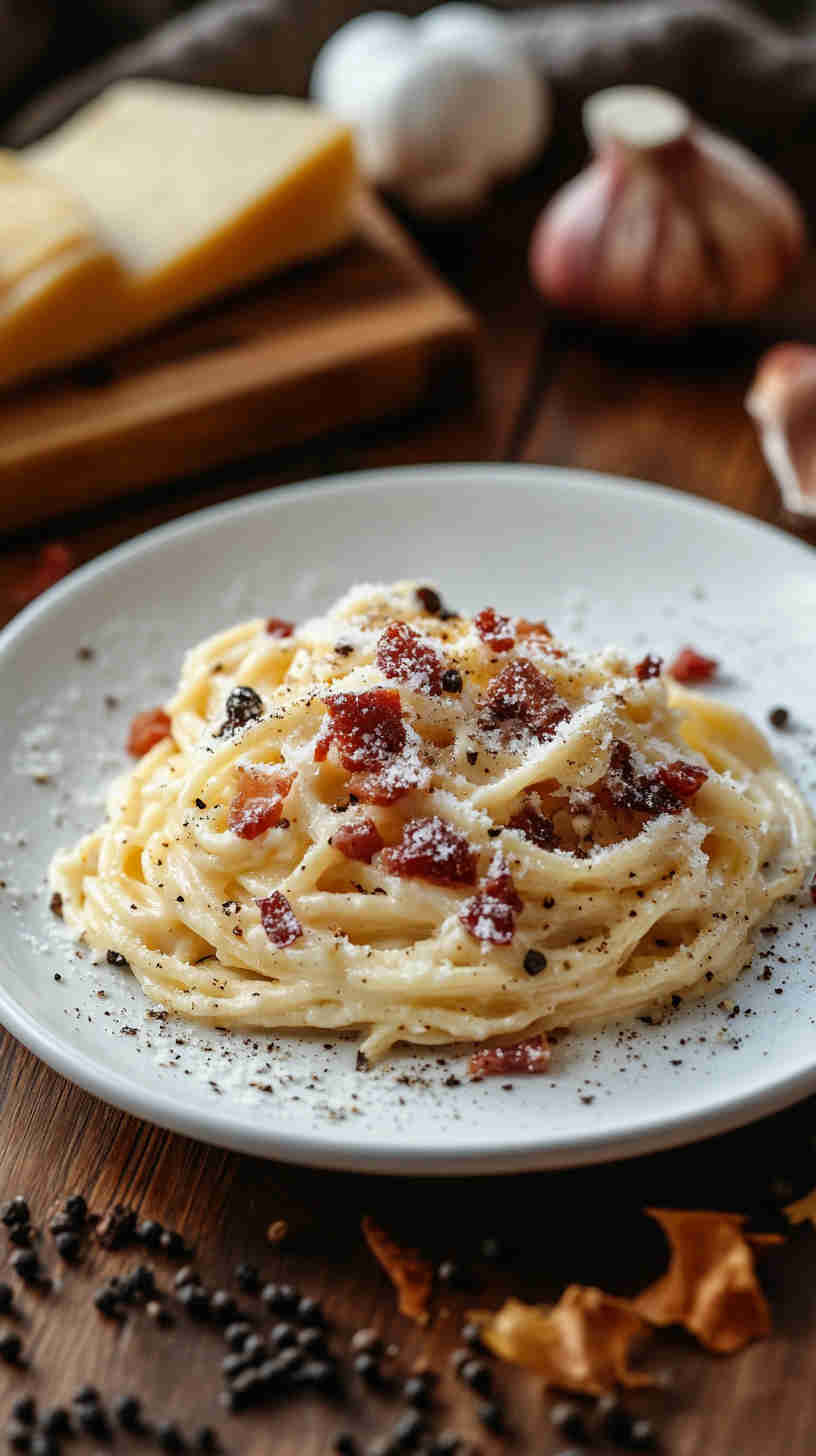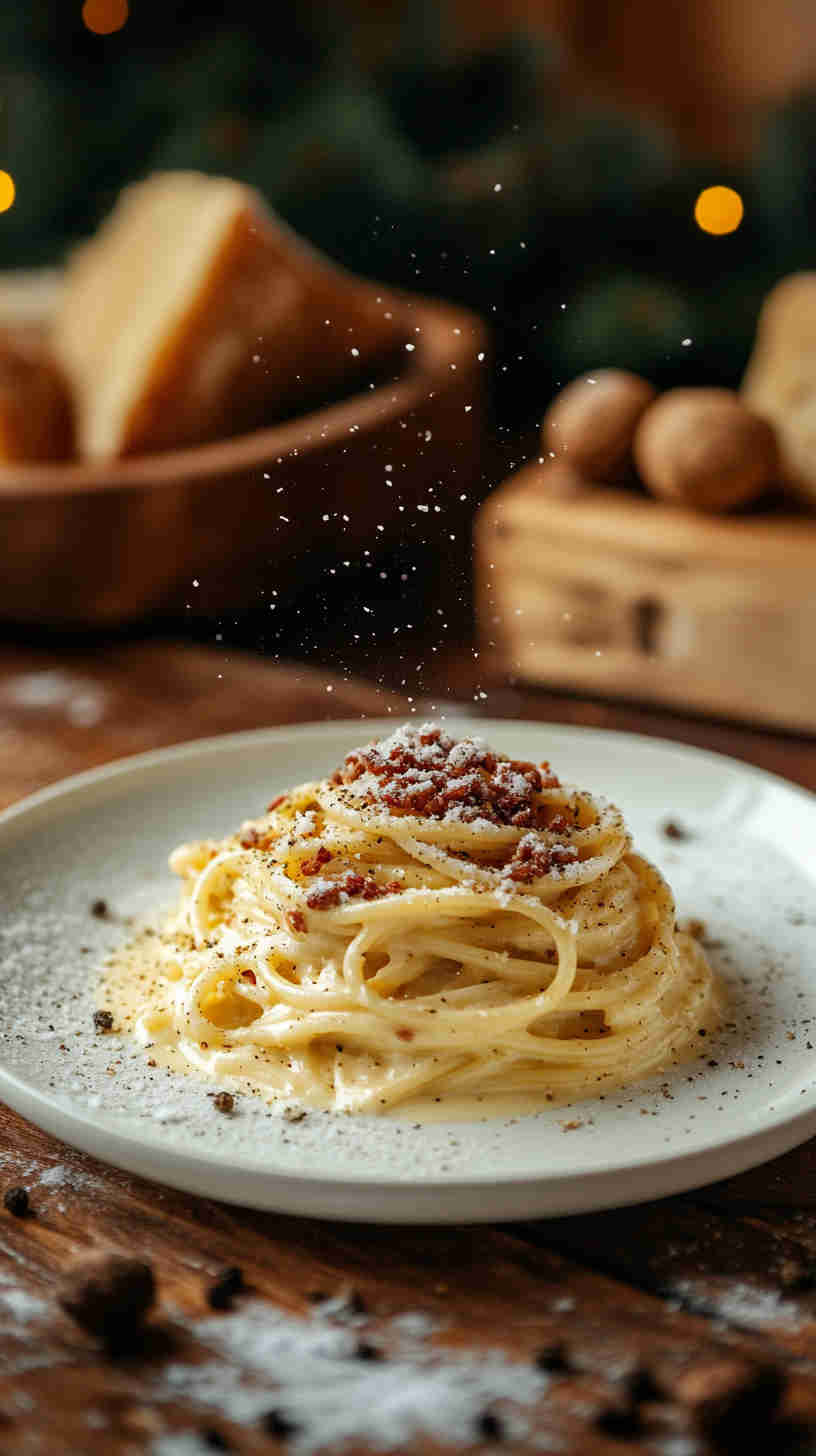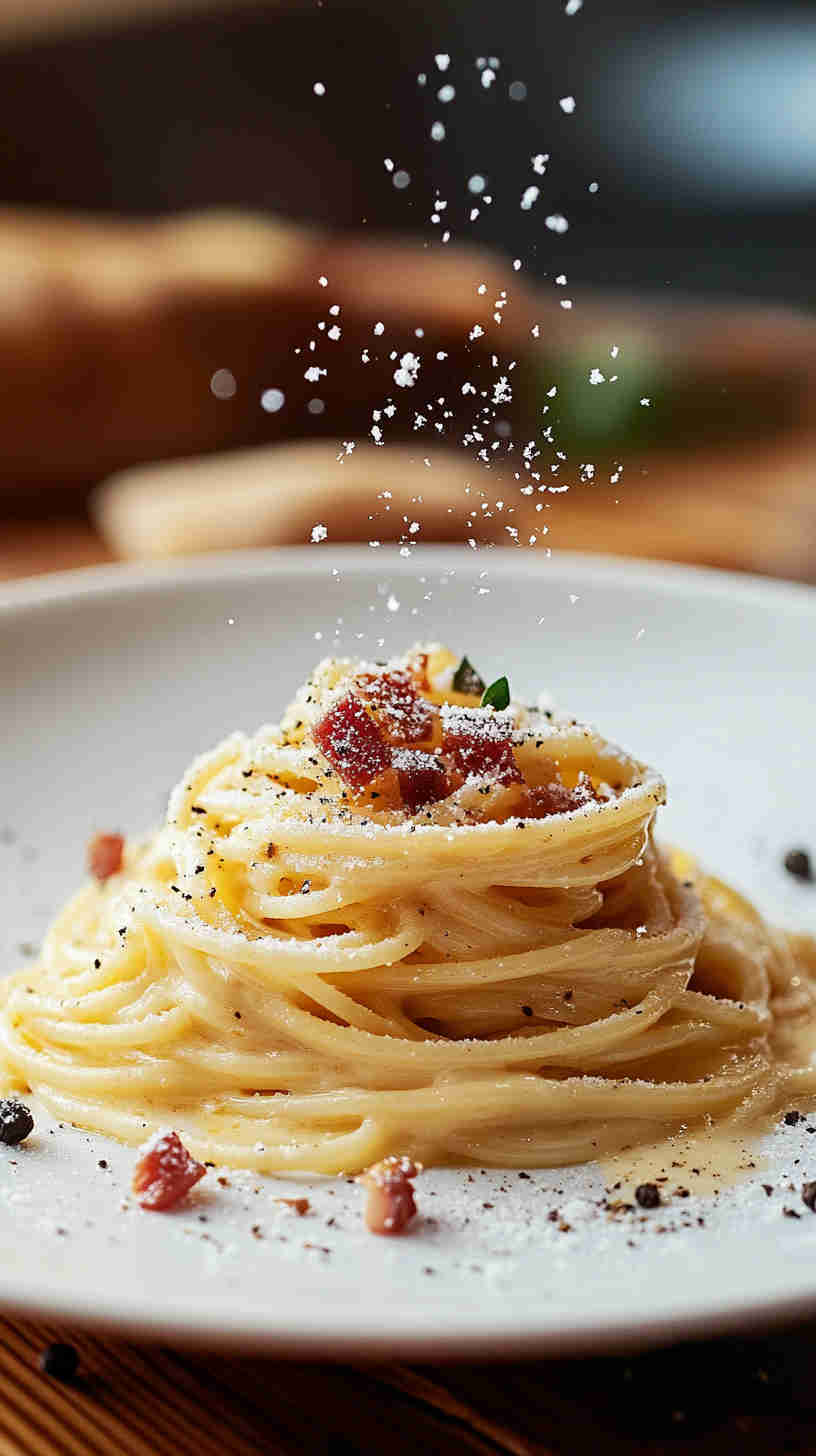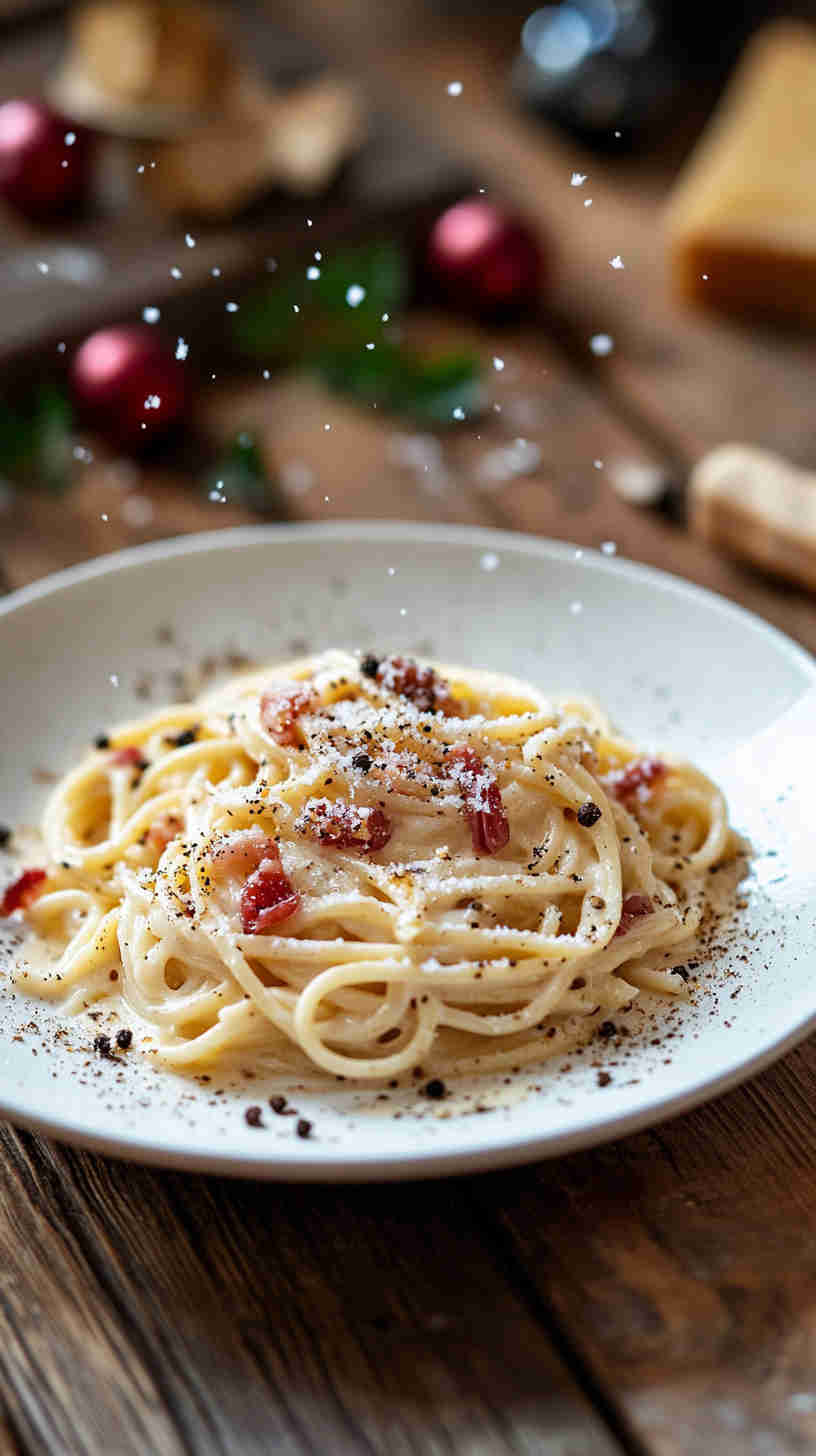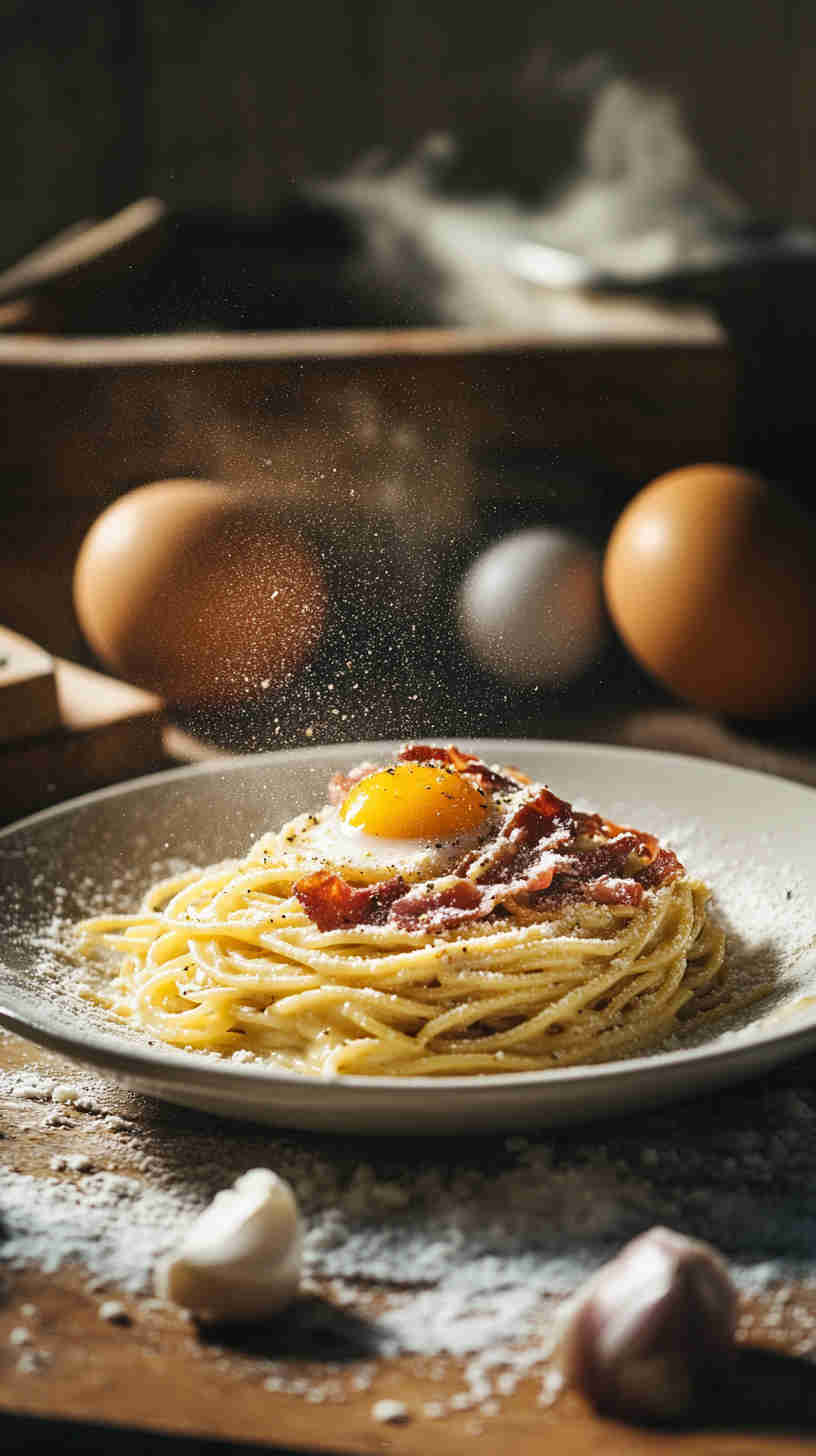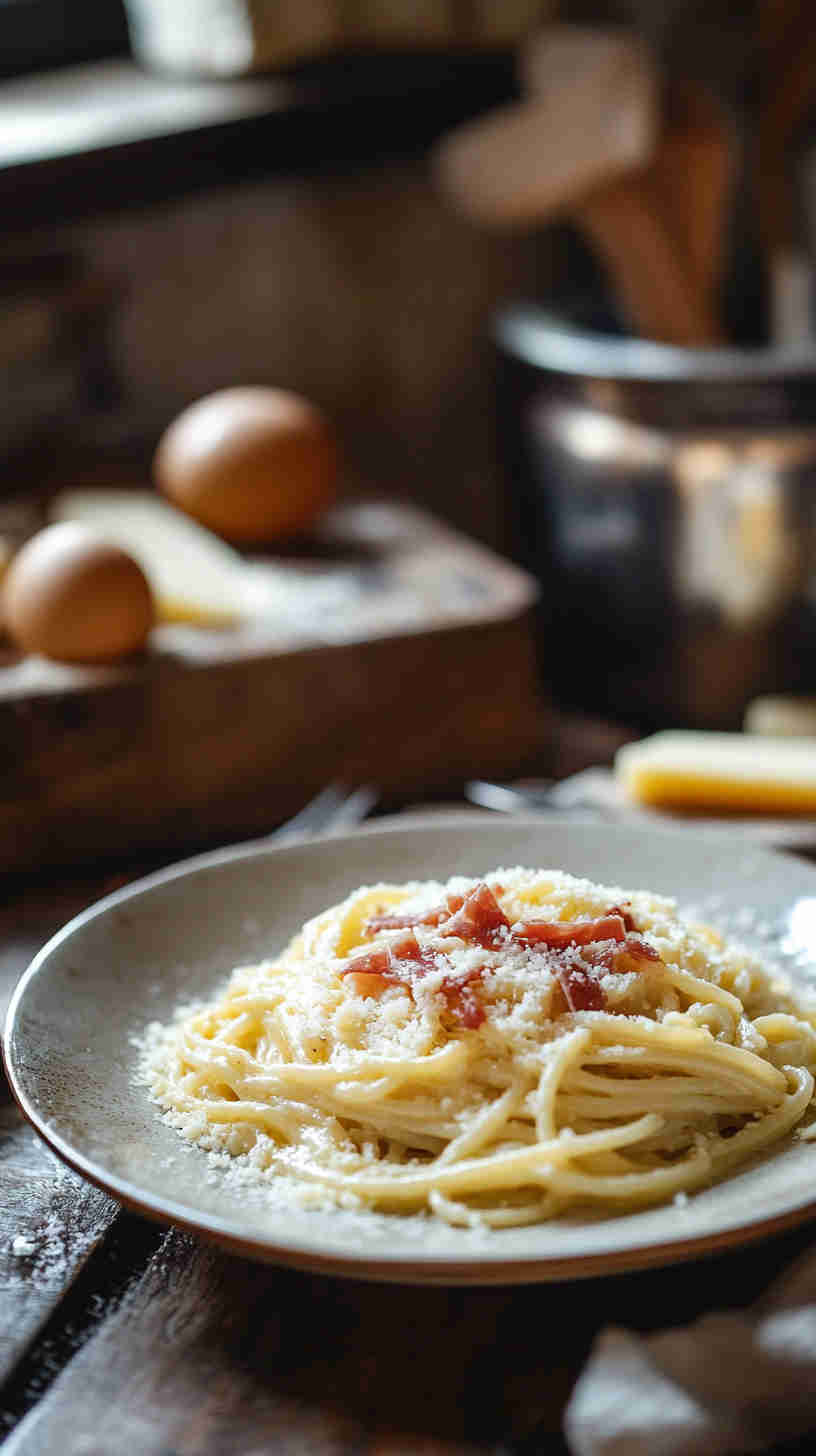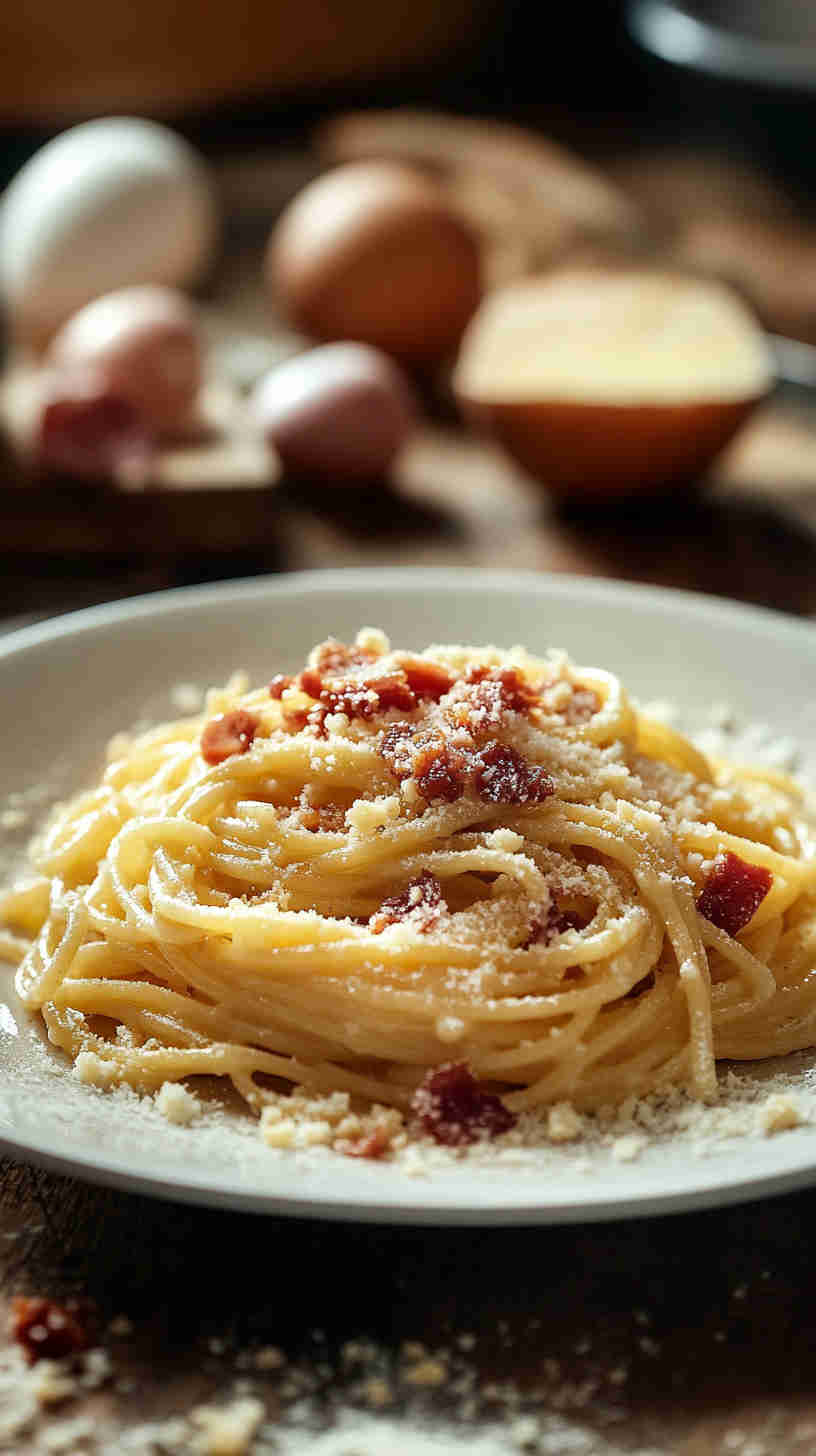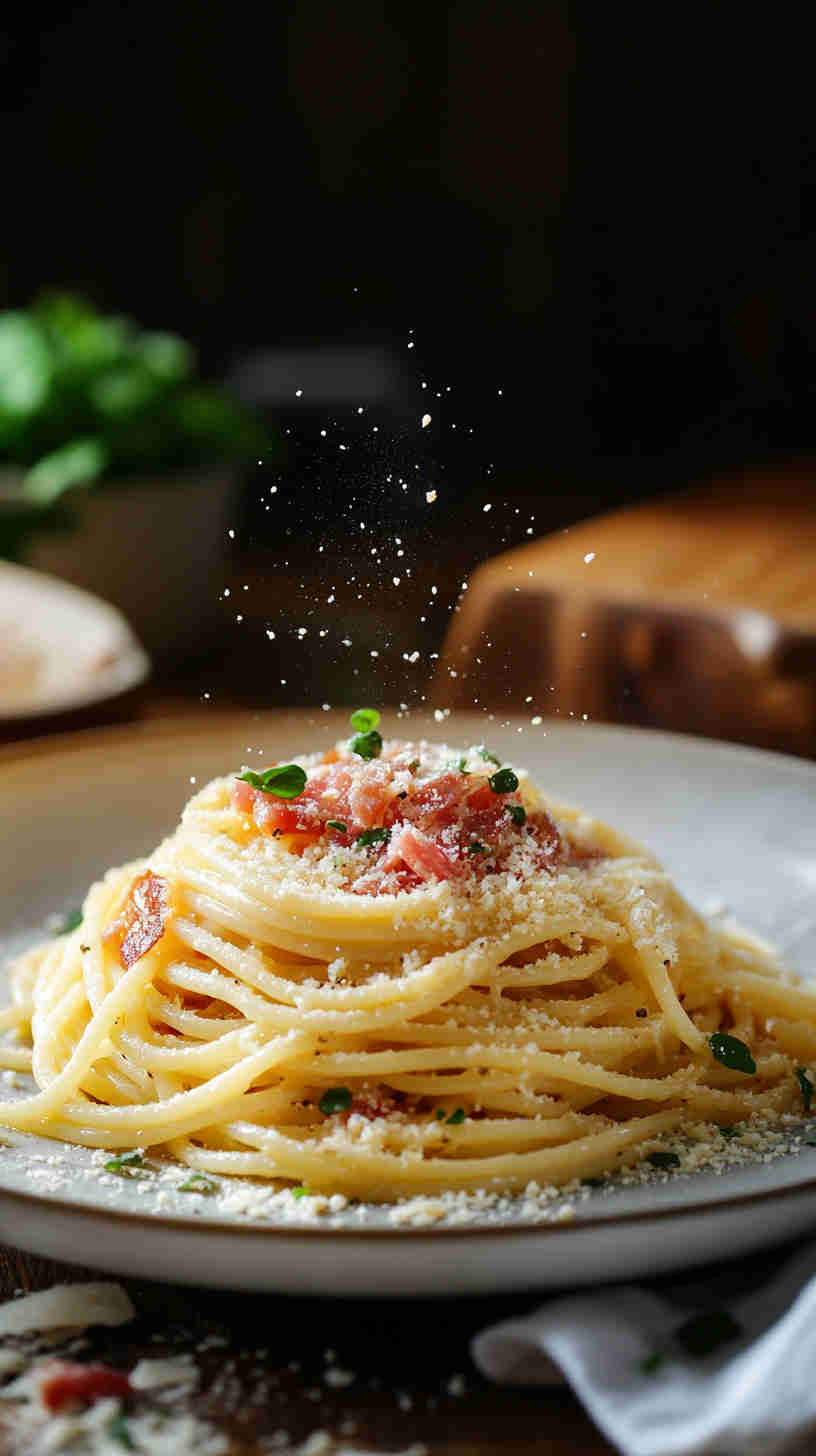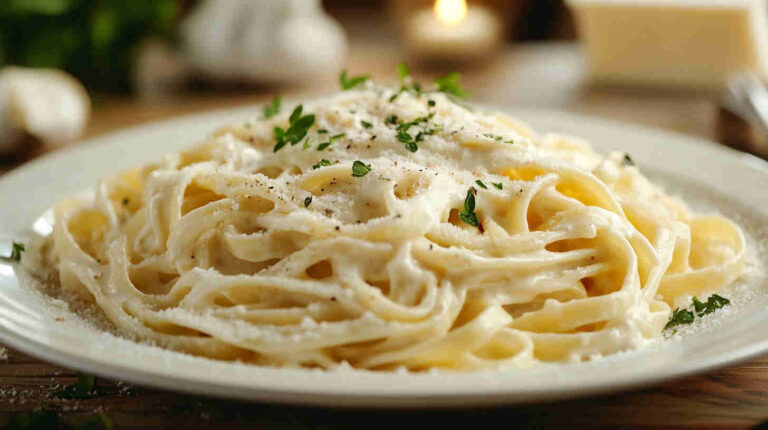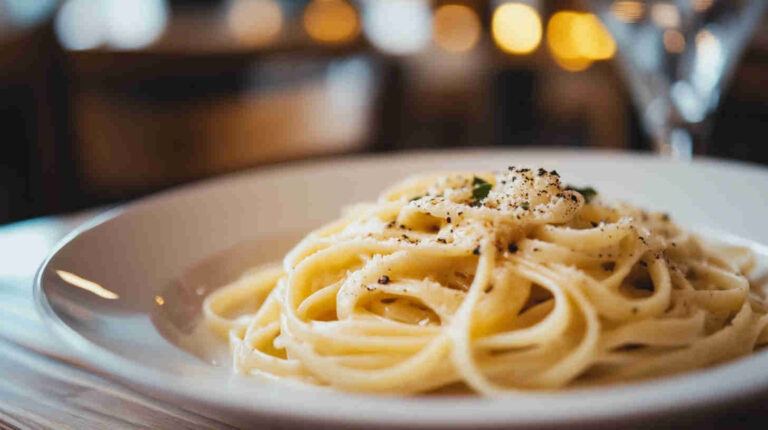
Authentic Spaghetti Carbonara Recipe
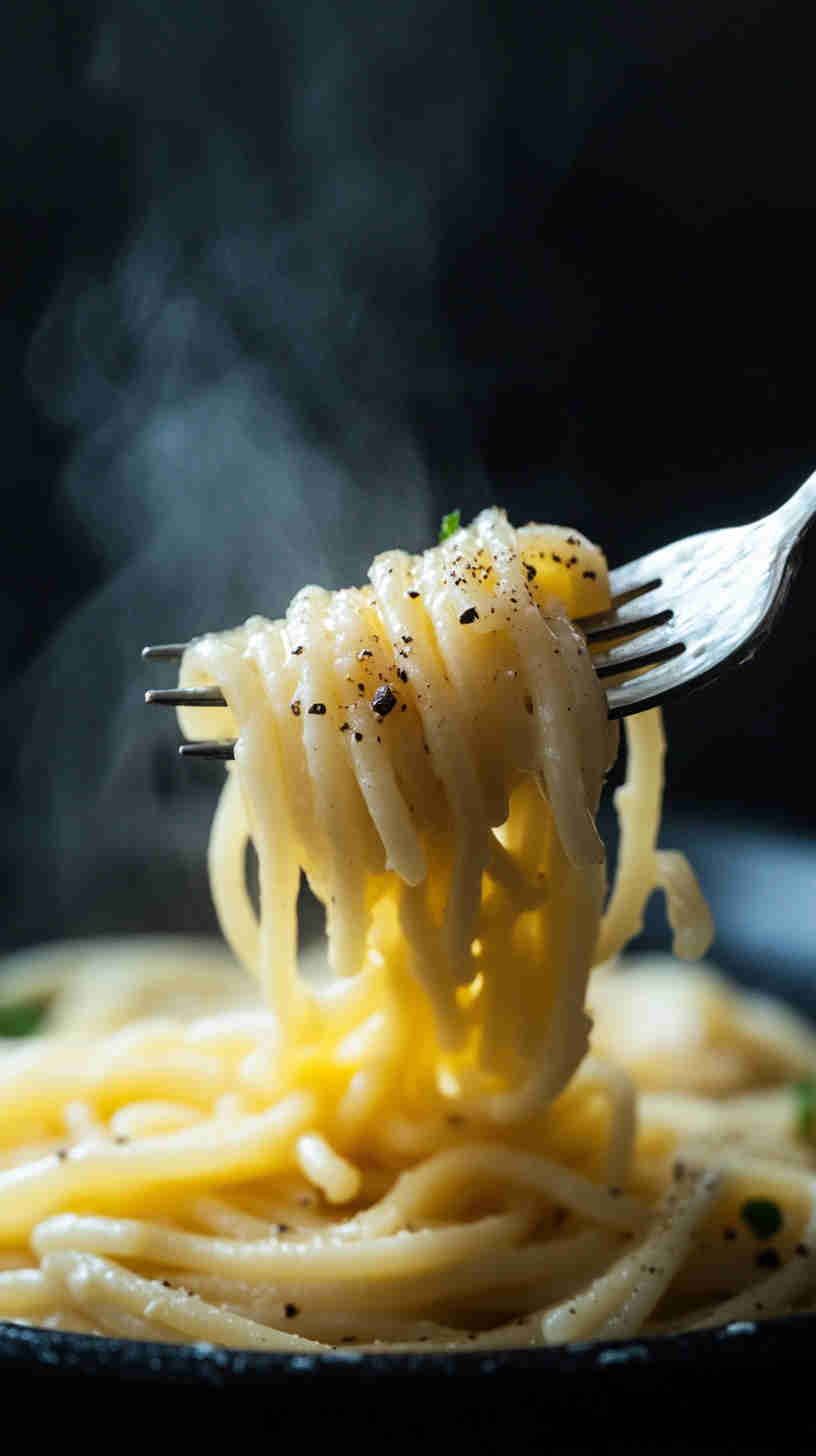
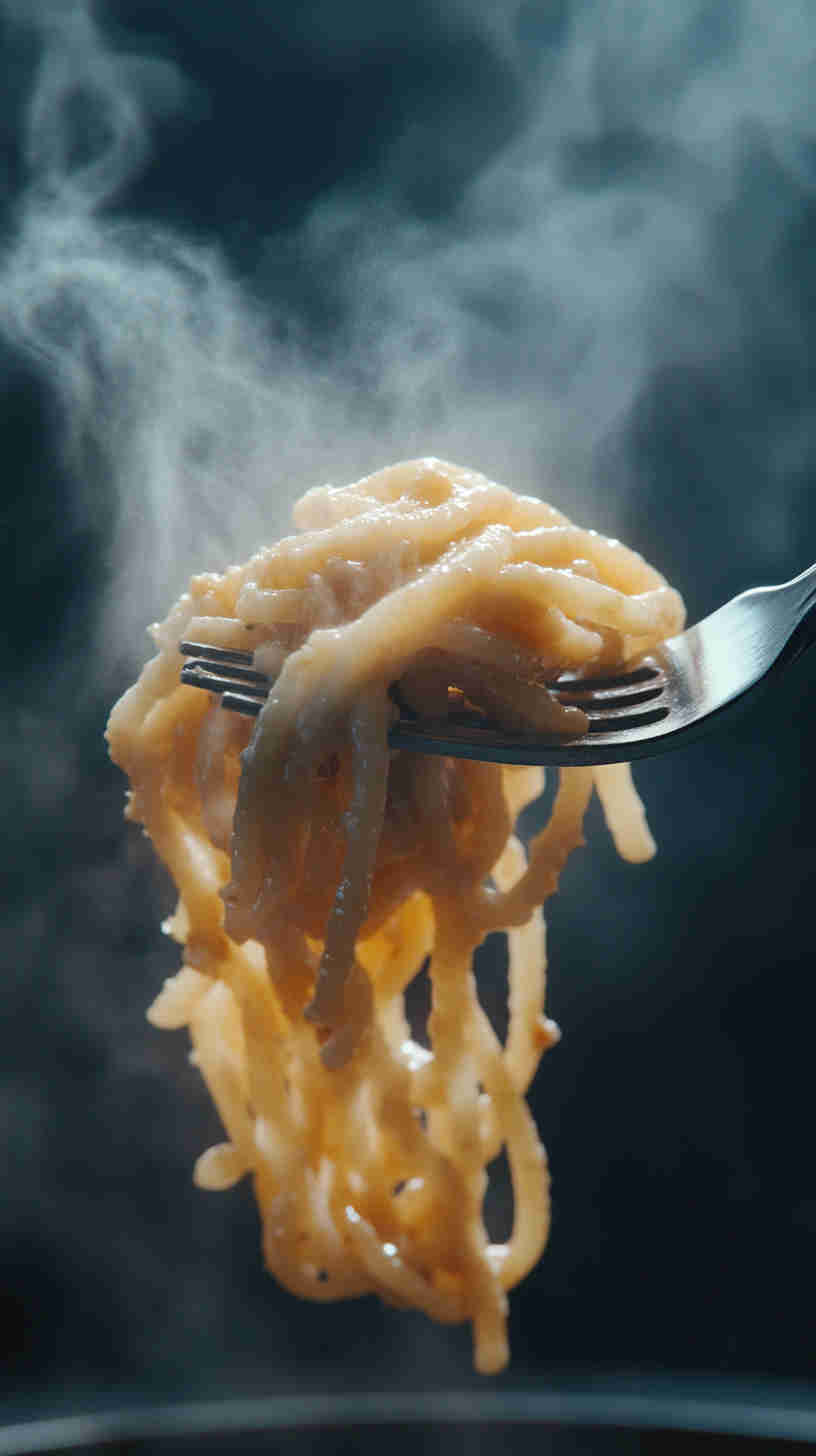
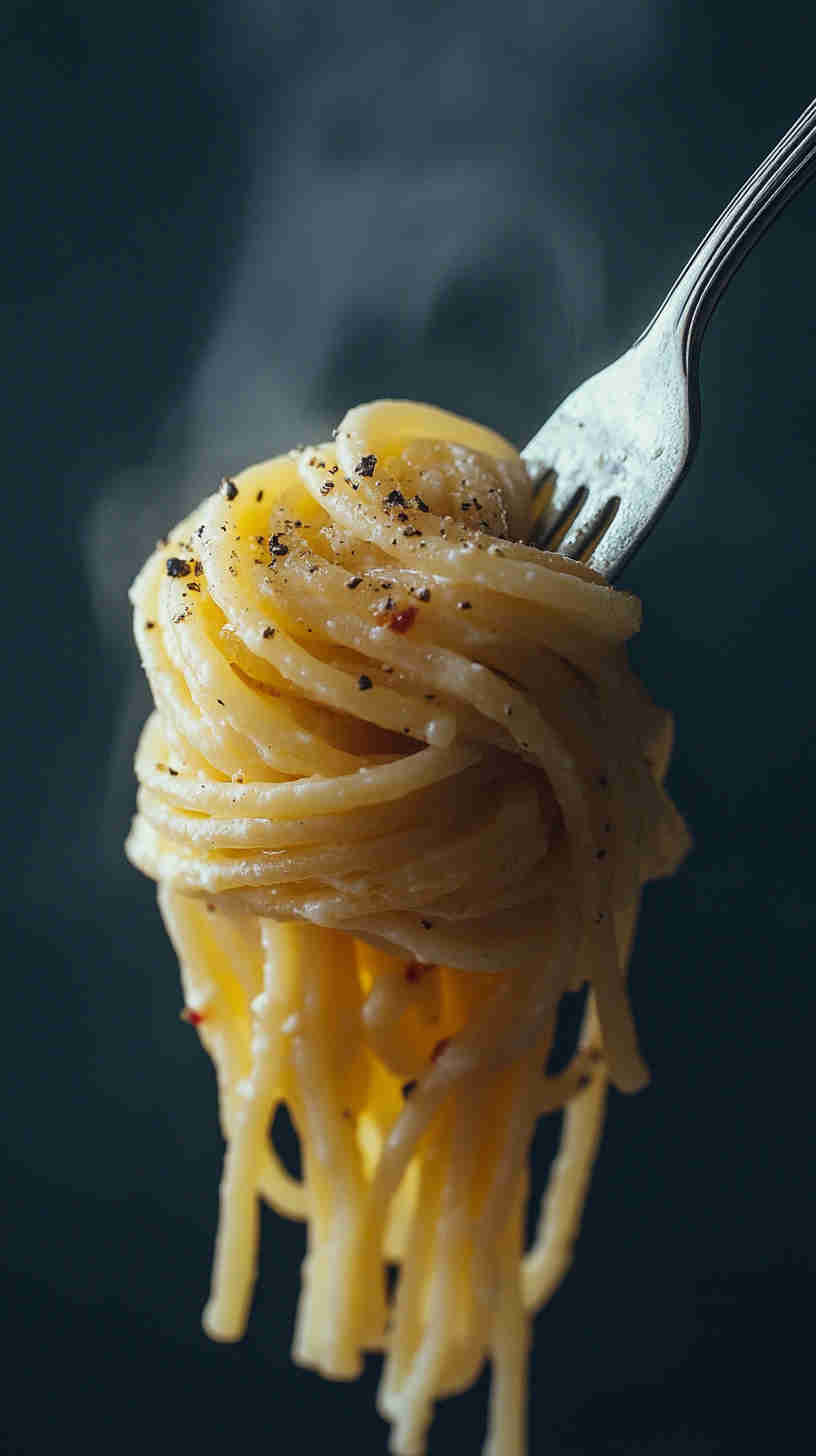
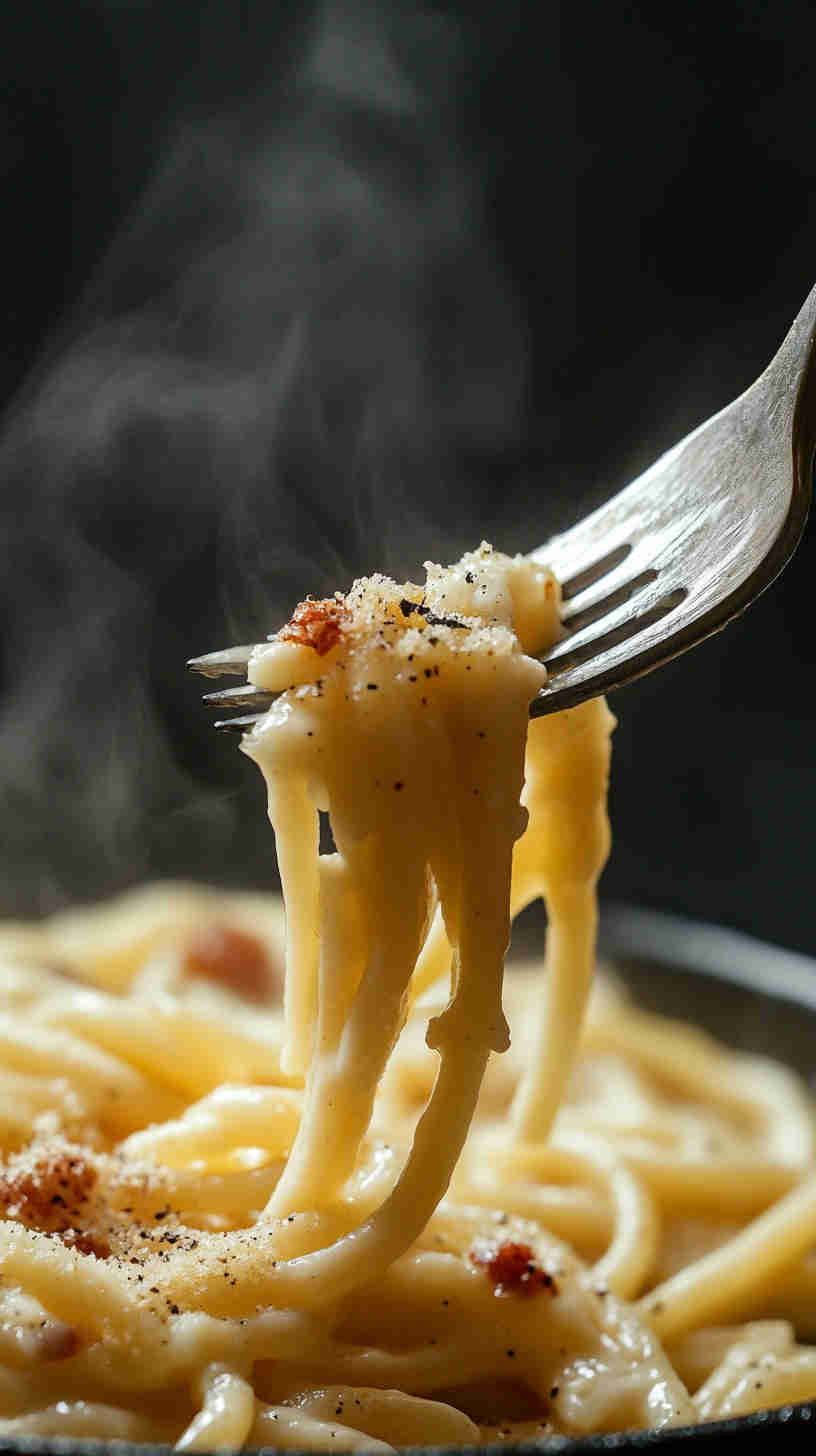
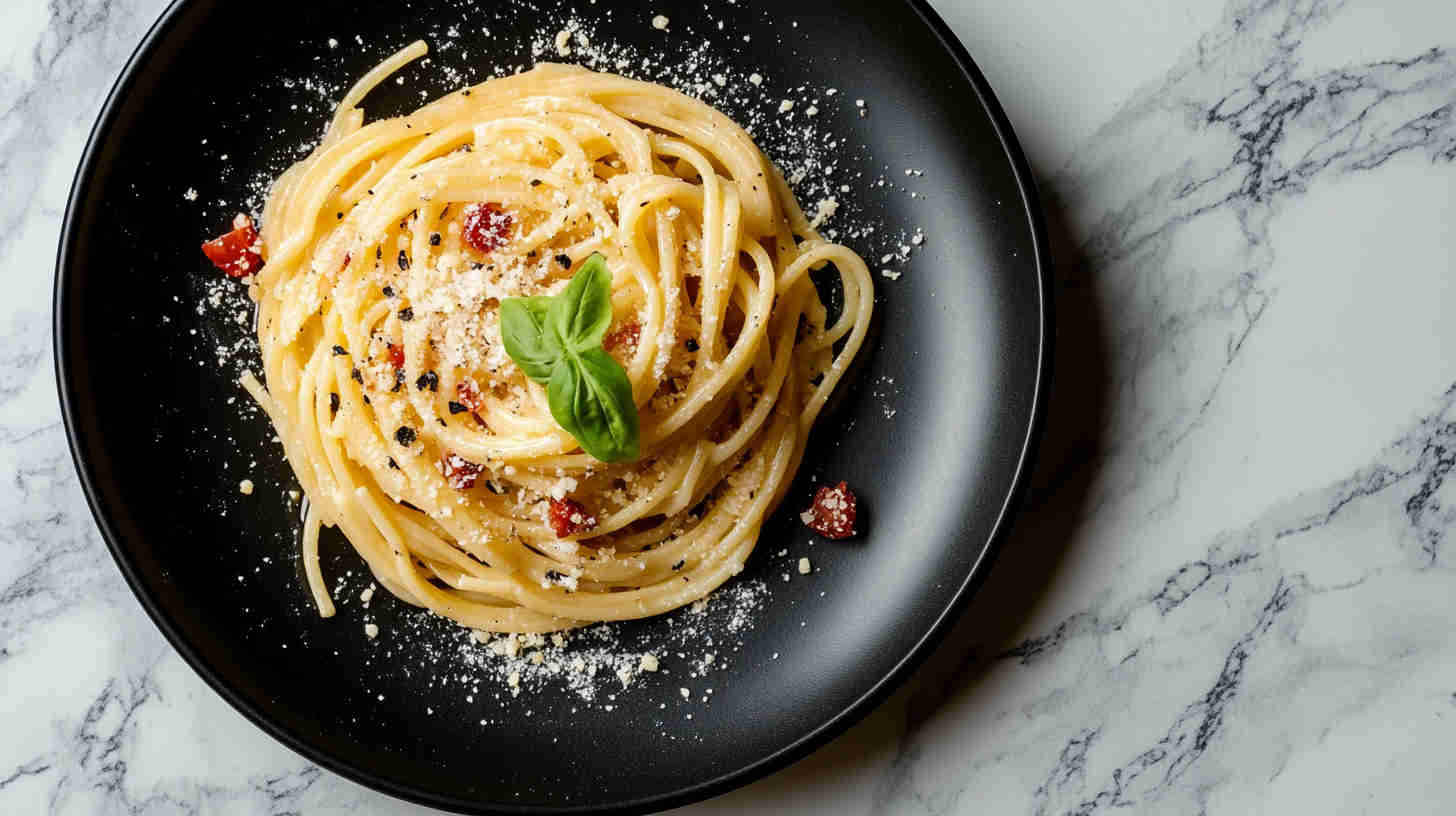
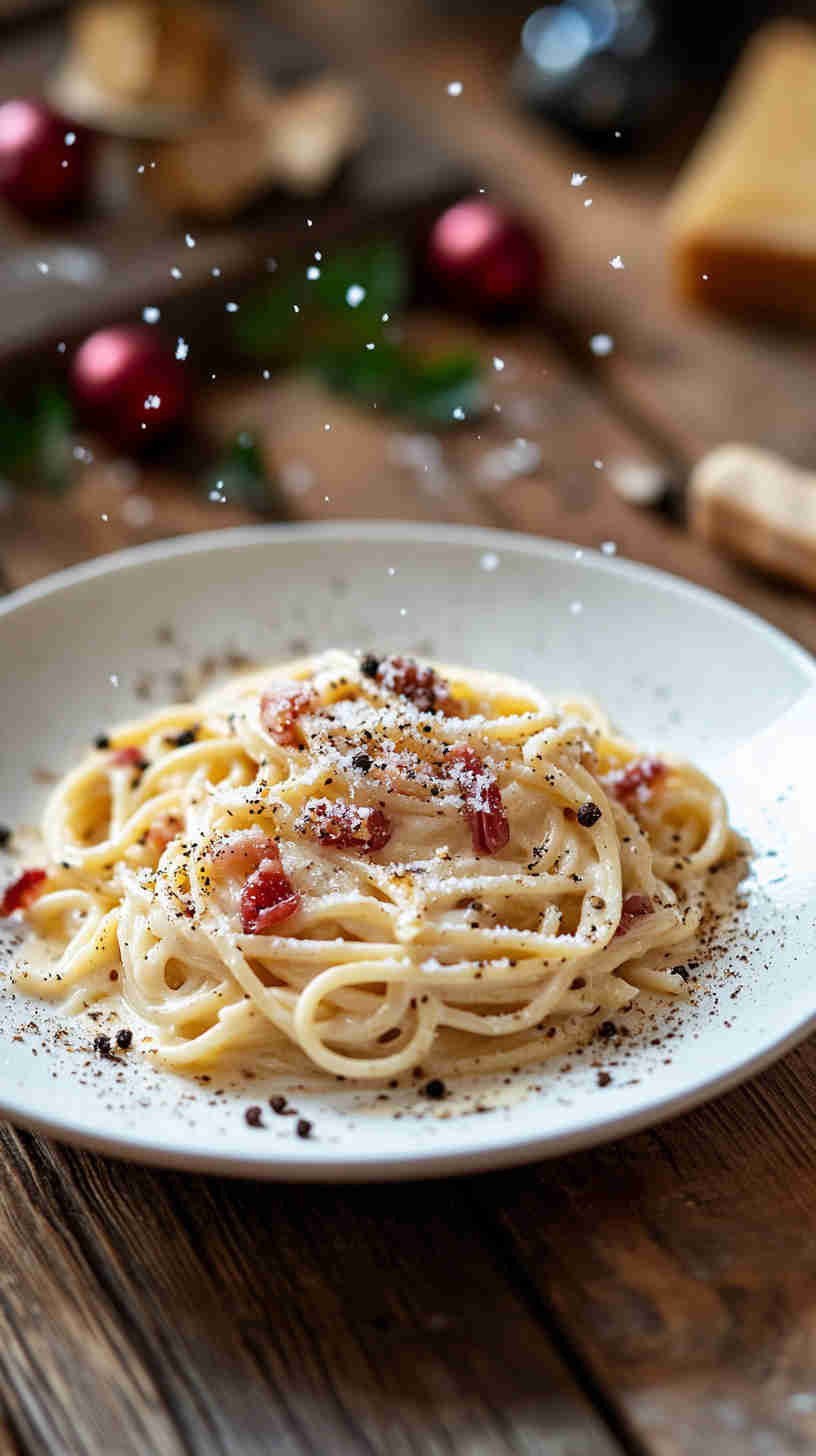
This timeless Roman classic features al dente spaghetti enveloped in a velvety, egg-based sauce enriched with crispy guanciale, sharp Pecorino Romano cheese, and freshly cracked black pepper. No cream is used in this traditional version—the creaminess comes purely from emulsified eggs, cheese, and starchy pasta water for an irresistibly silky texture that celebrates simple, high-quality ingredients.
Why You’ll Love This Recipe
You’ll adore this authentic spaghetti carbonara because it delivers restaurant-quality richness and depth with just a handful of pantry staples, proving that true Italian cuisine shines through minimalism and technique. The contrast of crunchy, salty guanciale bits against the luscious, peppery sauce creates an explosion of flavors in every bite.
It’s incredibly quick to prepare—ready in under 30 minutes—yet feels indulgent and sophisticated, making it perfect for weeknight dinners or impressing guests. Once you master the off-heat tossing method to achieve that perfect creamy emulsion without scrambling the eggs, you’ll never go back to cream-laden versions. It’s comforting, elegant, and transports you straight to a cozy trattoria in Rome with every forkful.
Authentic Spaghetti Carbonara Recipe
Ingredients
Method
- Bring a large pot of generously salted water (like the sea!) to a rolling boil—perfect for infusing flavor into your spaghetti from the start.
- While waiting, dice the guanciale into small, even pieces so they crisp up beautifully and release their delicious fat evenly.
- In a large mixing bowl, crack the eggs, add the grated Pecorino Romano, and season generously with freshly cracked black pepper—whisk vigorously until smooth and creamy, creating your magical sauce base. Set aside.
- Drop the spaghetti into the boiling water and cook until just al dente (follow package timing, usually 8-10 minutes)—this is key for texture!
- As the pasta cooks, heat a large skillet over medium heat, add the guanciale (no oil needed!), and sauté until golden, crispy, and rendered—about 5-7 minutes. The fat should turn translucent and fragrant. Turn off the heat.
- Before draining, scoop out 1-2 cups of starchy pasta water and set aside—this is your secret weapon for silky sauce!
- Drain the spaghetti (or use tongs to transfer directly) and immediately add it to the skillet with the guanciale—toss to coat in that glorious pork fat.
- Remove the skillet from heat (super important!), pour in the egg-cheese mixture, and start tossing everything energetically—add splashes of reserved pasta water gradually until you achieve a luscious, glossy sauce that clings to every strand.
- Keep tossing for 1-2 minutes off the heat—the residual warmth gently cooks the eggs into creamy perfection without scrambling. Taste and adjust pepper if needed.
- Plate immediately, shower with extra Pecorino and a final grind of black pepper—twirl, savor, and enjoy the pure Roman magic you’ve created!
Notes
Recipe Tips and Tricks
- Use room-temperature eggs to prevent shocking them and ensure smoother incorporation.
- Reserve at least 1-2 cups of pasta water before draining—it’s liquid gold for adjusting sauce consistency and creating silkiness.
- Work off the heat when adding the egg mixture to avoid scrambling; the residual heat from the pasta gently cooks the eggs into creaminess.
- Toast black pepper in the guanciale fat for deeper aroma and flavor infusion.
- Don’t overcook the guanciale—aim for golden and crispy but still tender.
- Toss vigorously and continuously with tongs or a fork to emulsify everything perfectly.
- Freshly grate the Pecorino Romano for better melting and no clumps.
- If the sauce seems too thick, add pasta water a tablespoon at a time; if too thin, sprinkle in extra cheese.
Ingredients Notes
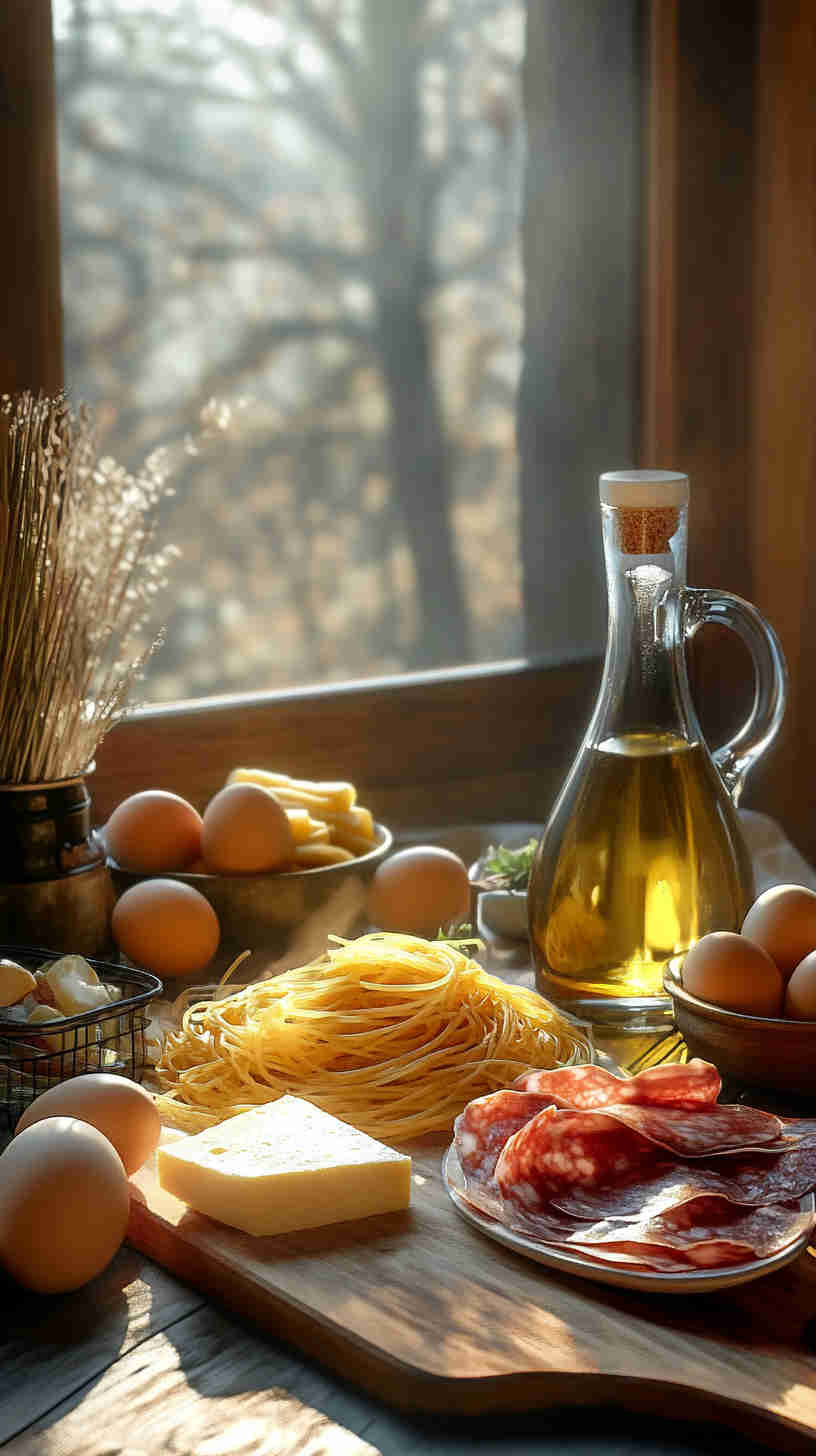
Guanciale is the star here—cured pork jowl with its perfect balance of fat, meat, and intense flavor that renders into golden, crispy bits and infuses the dish with authentic Roman character (far superior to pancetta or bacon, which are common substitutes but less traditional).
Pecorino Romano, a sharp, salty sheep’s milk cheese, provides the signature tangy bite and helps emulsify the sauce—avoid Parmesan if possible, as its milder flavor changes the profile. Fresh eggs (preferably free-range for richer yolks) form the creamy base without any dairy cream; use whole eggs or mostly yolks for extra silkiness. Freshly cracked black pepper is essential—grind it coarse for bold, aromatic heat that defines carbonara.
Spaghetti is the classic shape, allowing the sauce to cling beautifully, but high-quality bronze-die extruded pasta holds texture better. Salt the pasta water generously, but taste the final dish sparingly since guanciale and cheese add plenty of salinity.
Variations and Substitutions
For the most authentic experience, stick to guanciale, but if unavailable, substitute with high-quality pancetta (cured pork belly) or thick-cut bacon—trim excess fat and avoid smoky varieties to keep flavors clean. Some Roman cooks use a mix of whole eggs and extra yolks for richer creaminess, while others prefer only yolks; experiment to find your preferred texture. Pecorino Romano is non-negotiable for tradition, but a 50/50 blend with Parmesan can soften the sharpness if desired.
Vegetarians can omit the pork and add sautéed mushrooms or zucchini for umami, though it deviates from classic. For a lighter version, reduce guanciale slightly or use turkey bacon, but expect less depth. In rare twists, a touch of garlic (not traditional) or onion can be added for extra savoriness, but purists skip them. Bucatini or rigatoni make excellent shape swaps, capturing more sauce in their hollows or ridges.
Storage Options
Carbonara is best enjoyed immediately while hot and creamy—reheating can cause eggs to scramble or sauce to separate. If leftovers occur, store in an airtight container in the refrigerator for up to 1-2 days. To reheat, place in a skillet over very low heat, add a splash of water or reserved pasta water, and stir gently until warmed through (avoid microwave to prevent curdling). Freezing is not recommended, as it ruins the sauce texture.
Dish Gallery