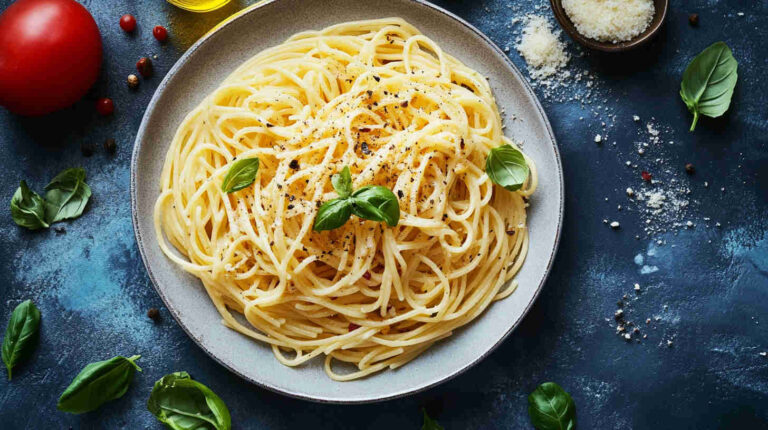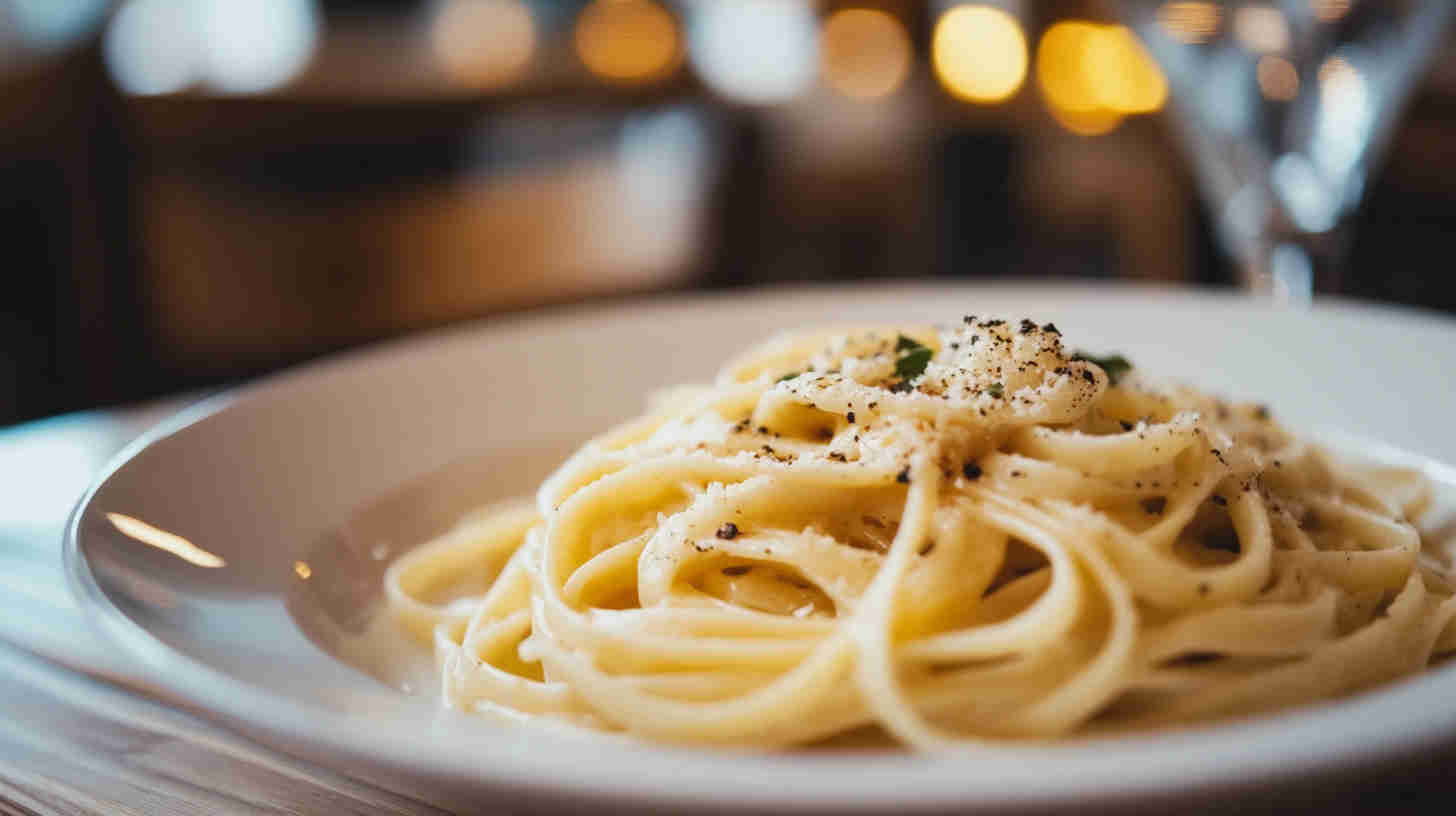
Cacio e Pepe – Roman Pasta Recipe
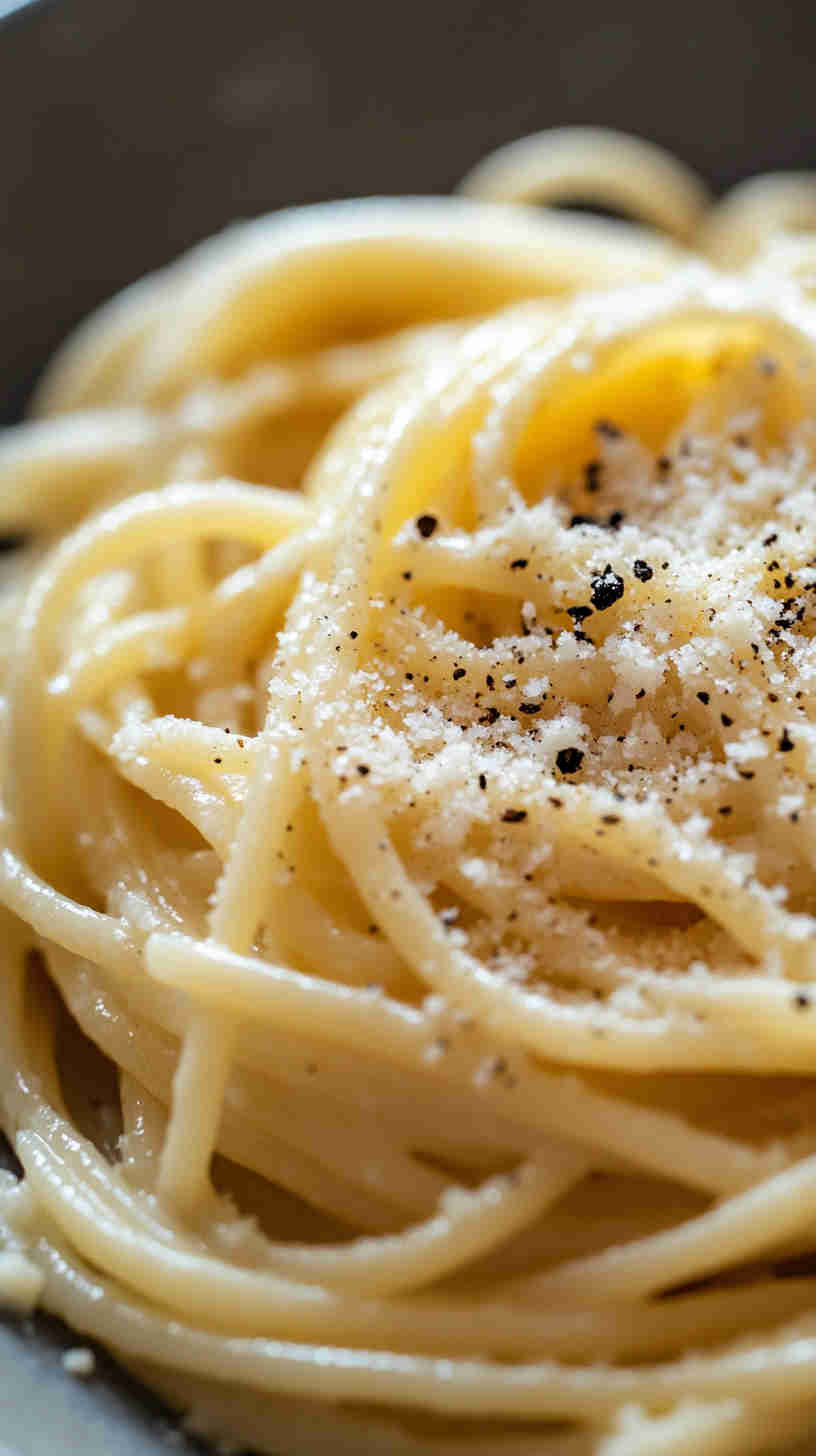
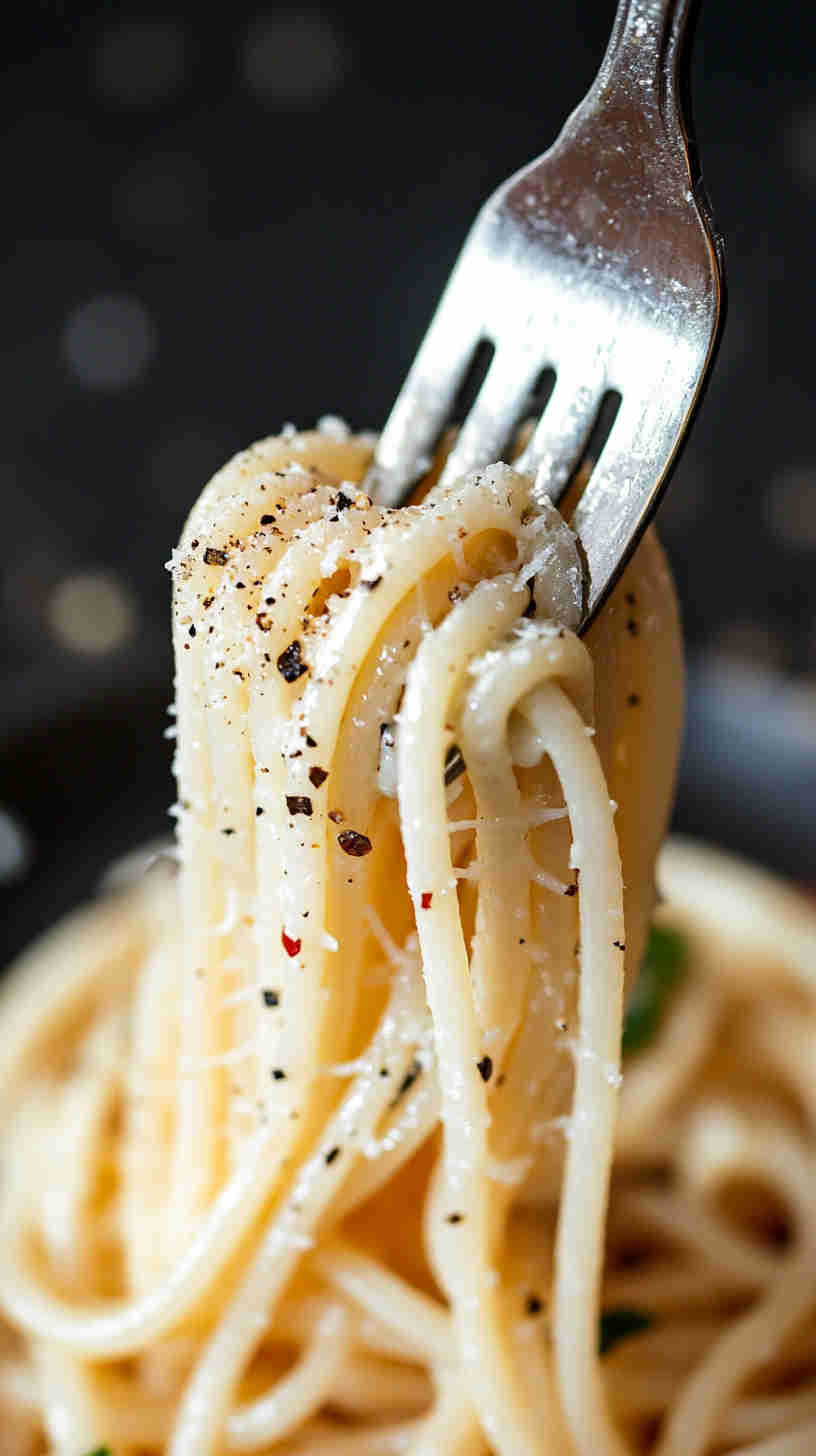
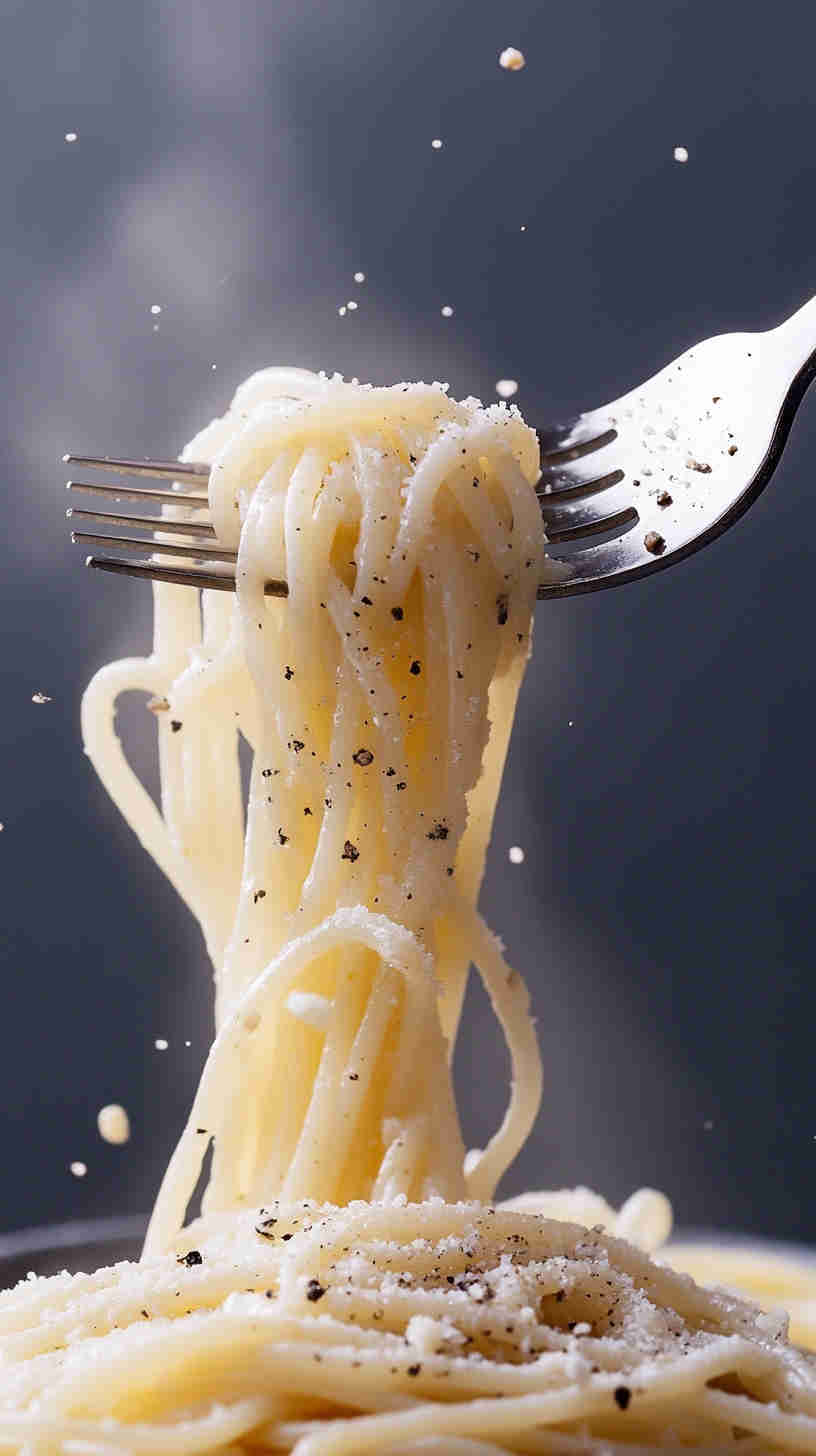
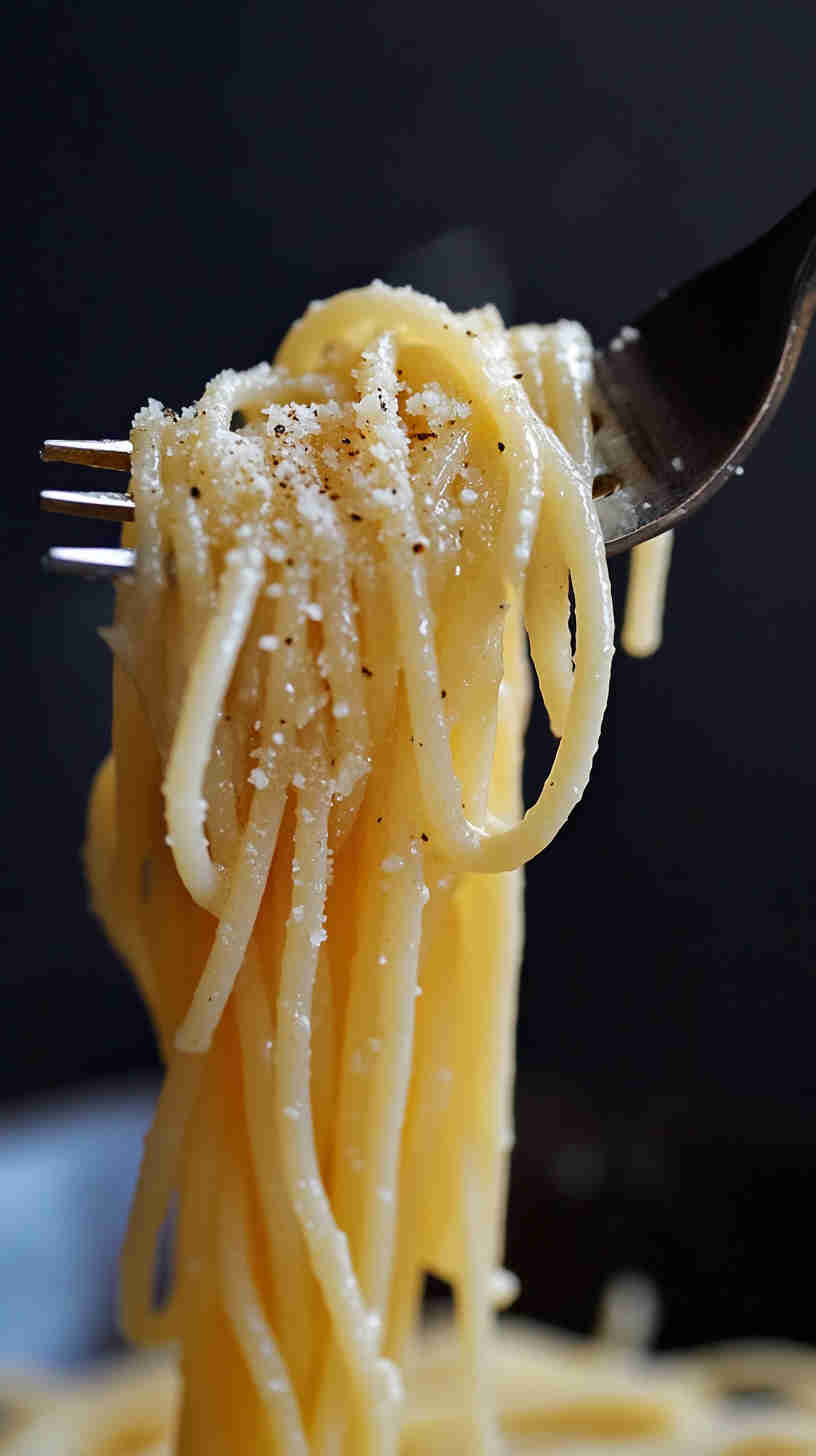
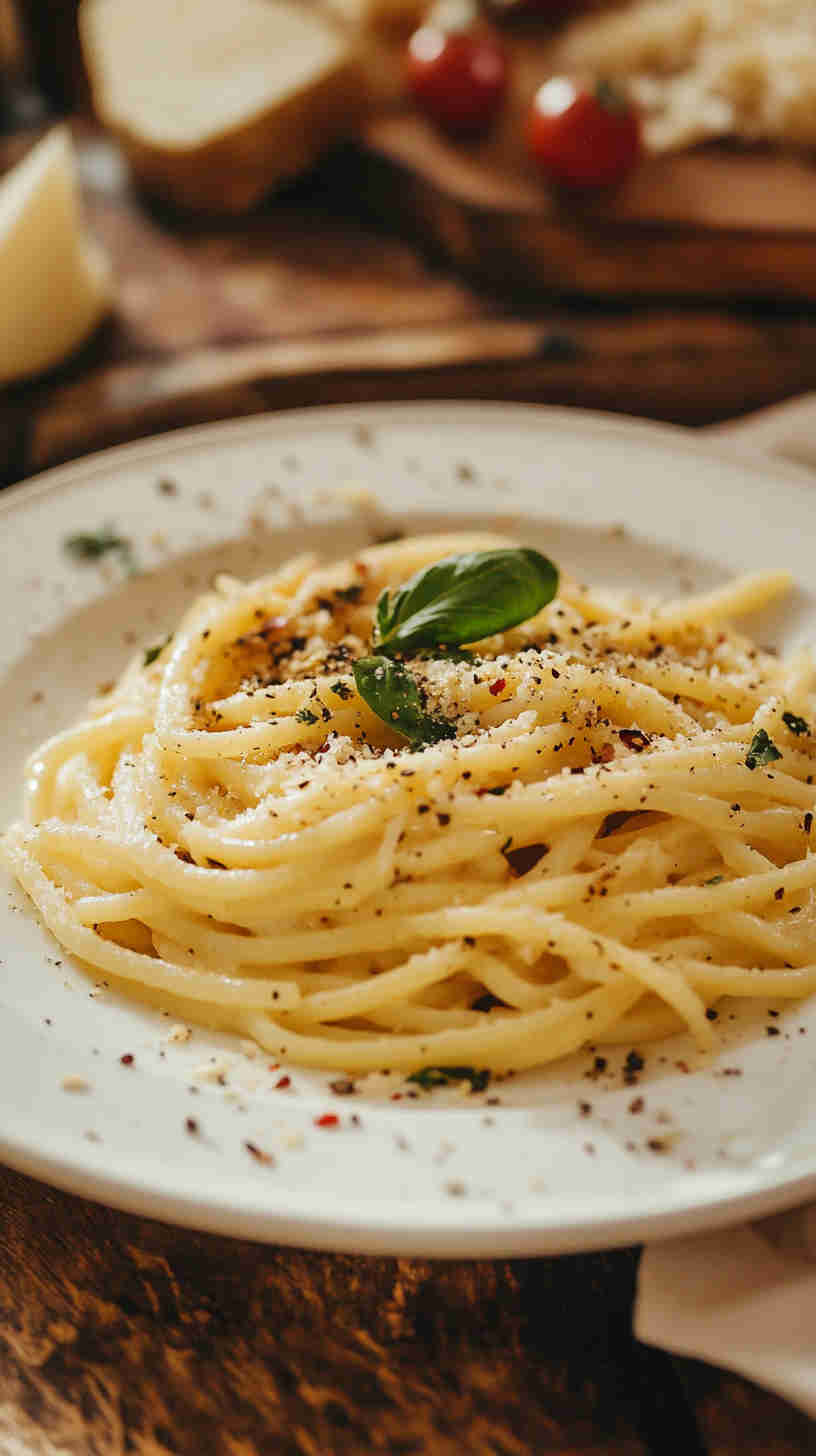
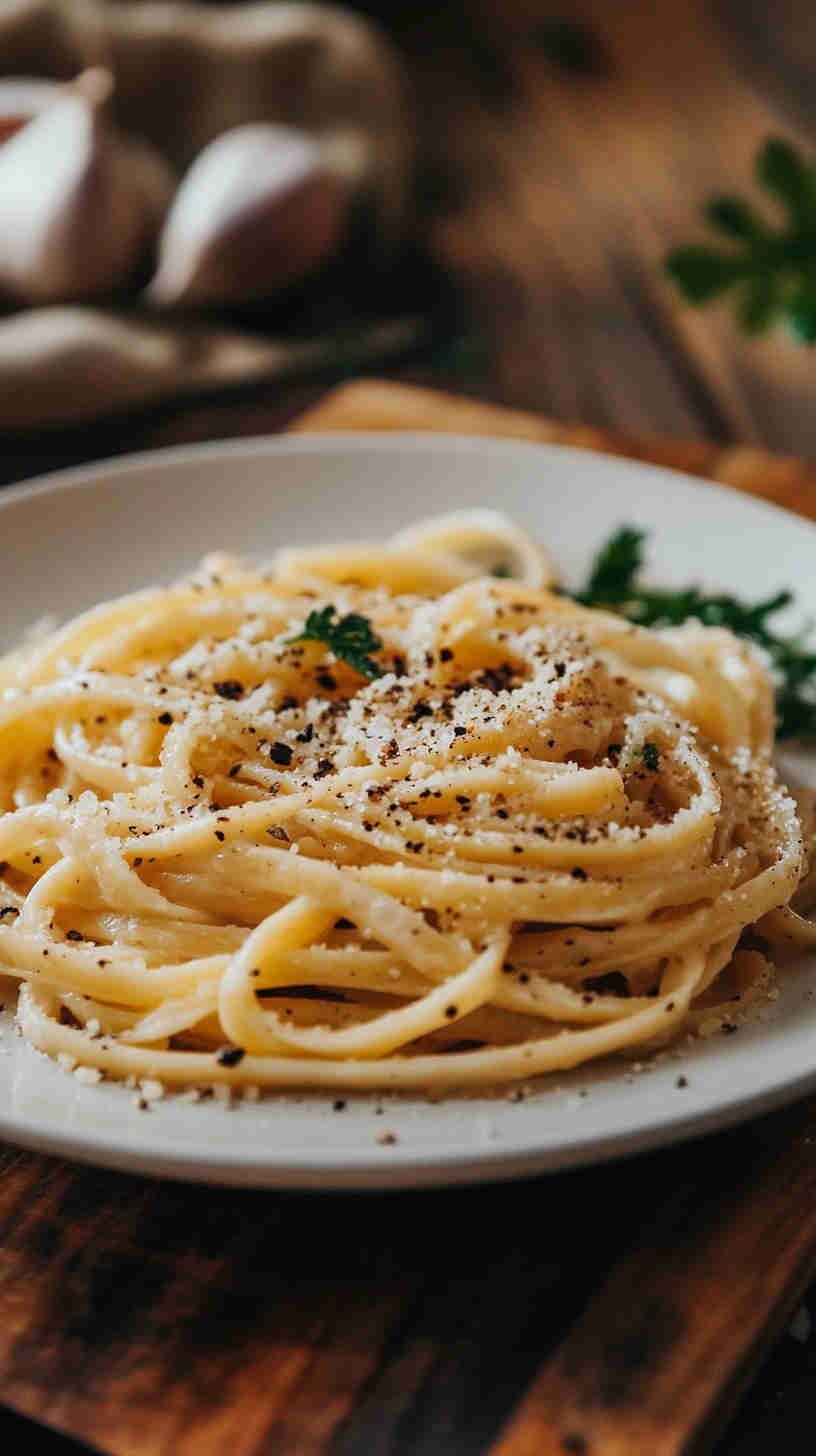
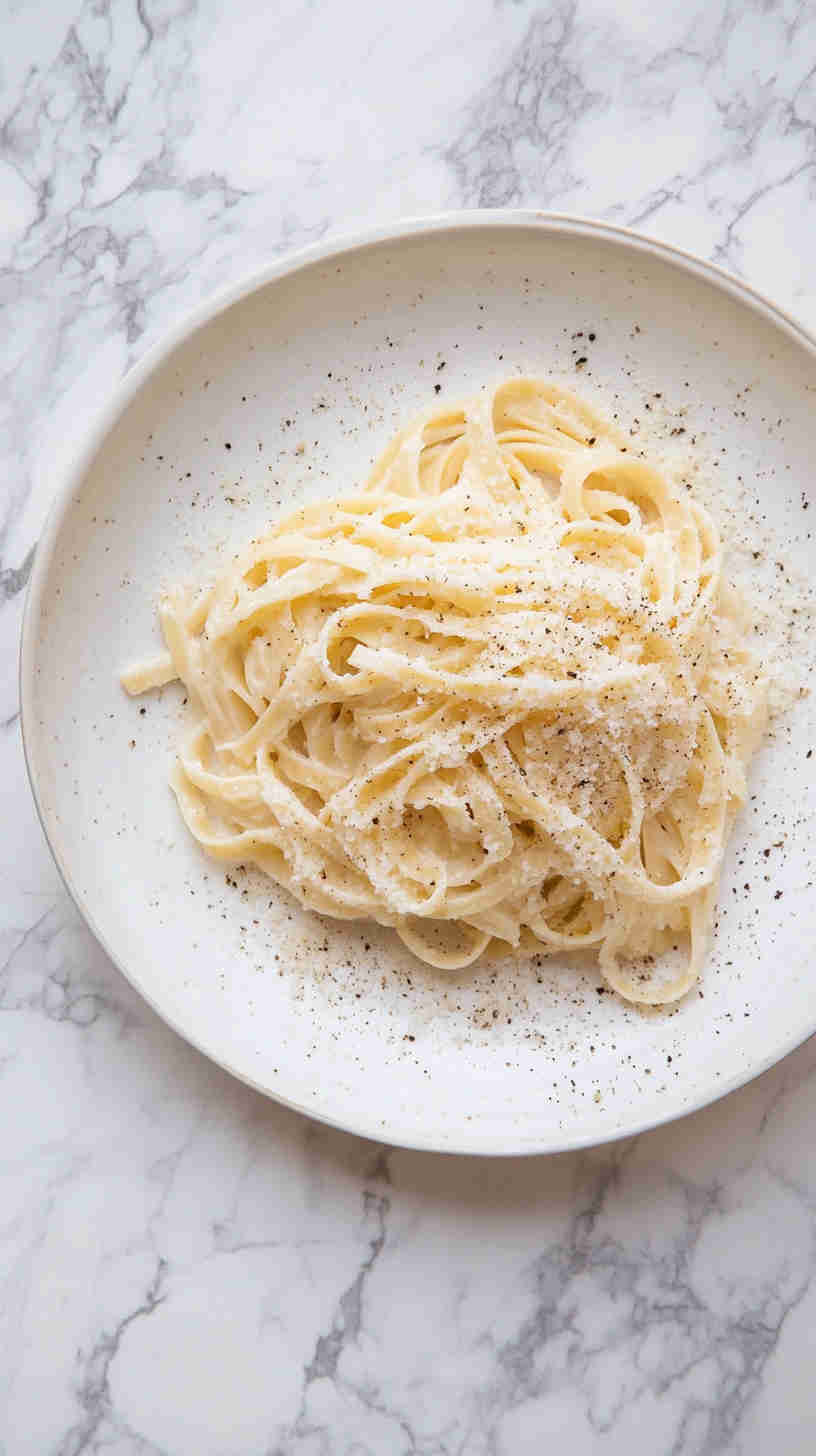
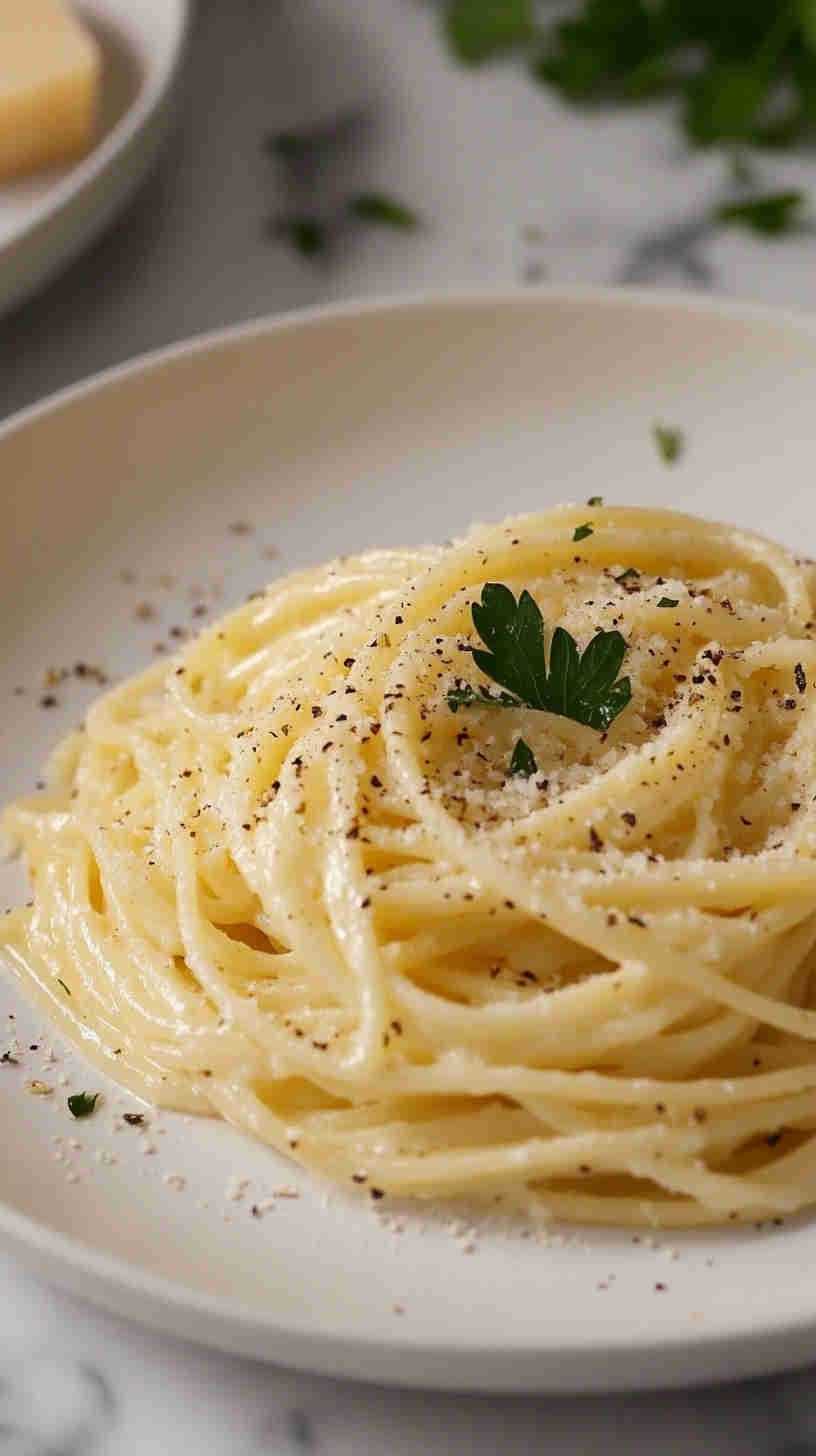
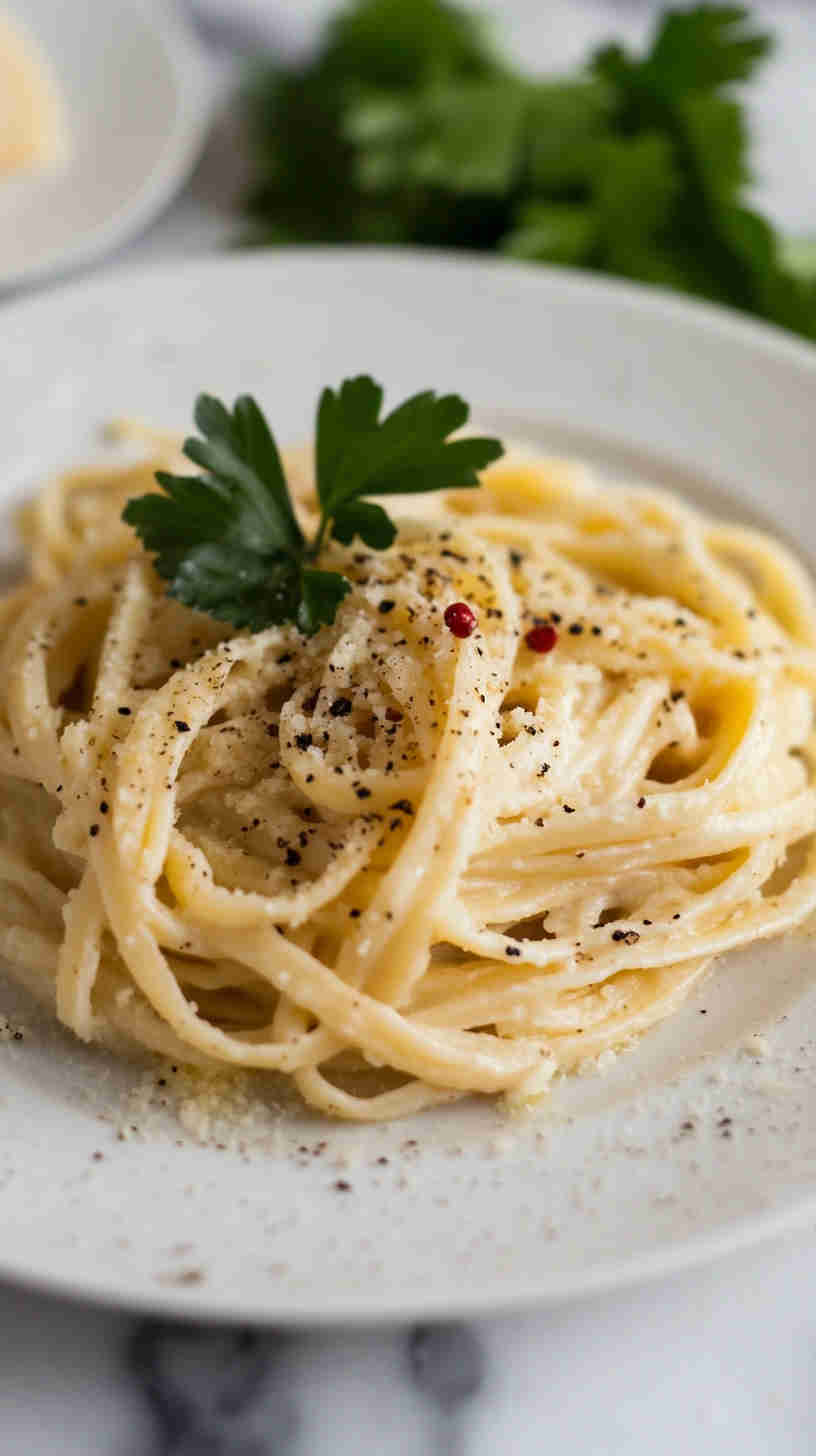
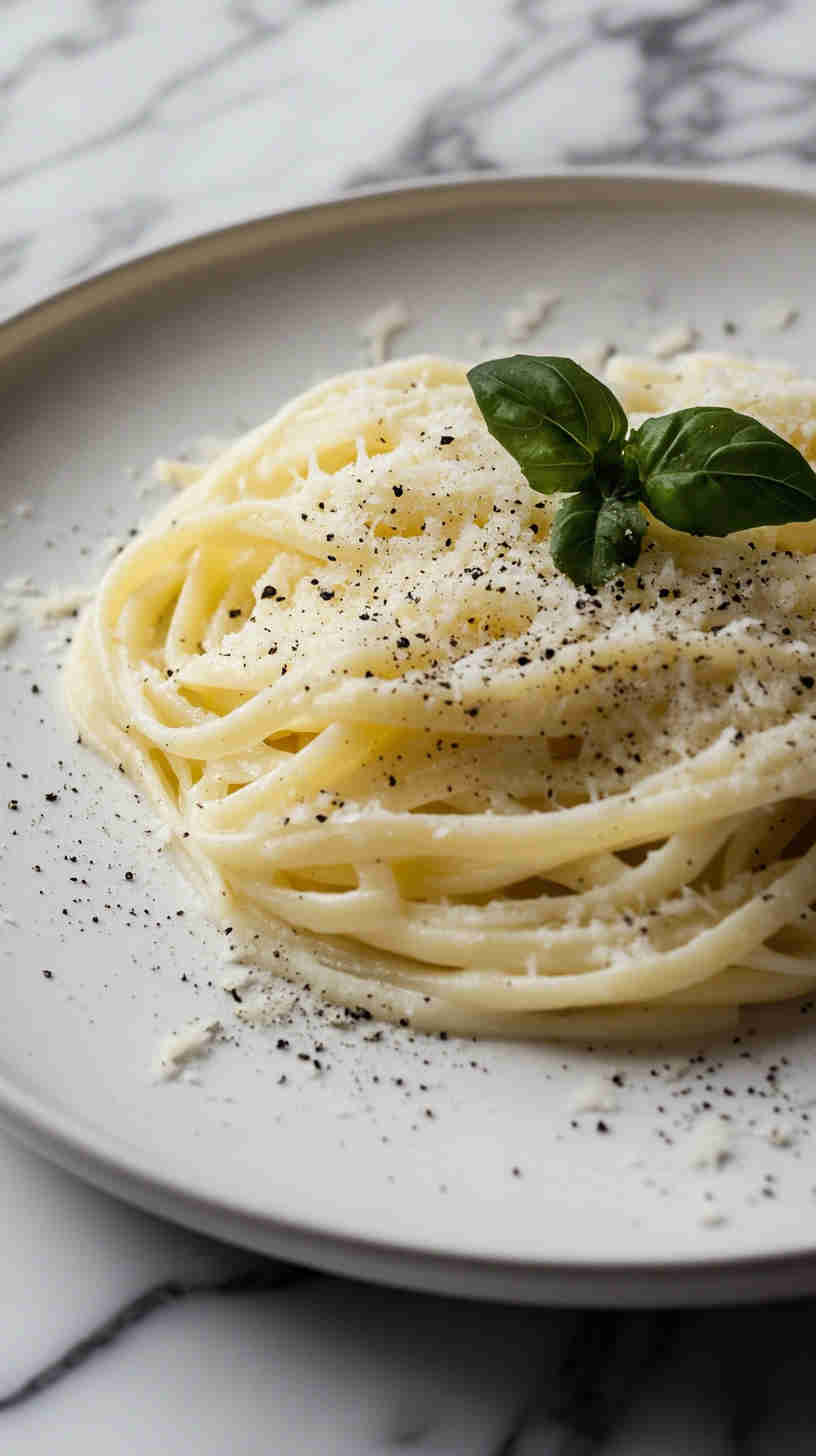
Cacio e Pepe is a timeless Roman classic featuring al dente spaghetti enveloped in a silky, creamy sauce created from Pecorino Romano cheese and freshly cracked black pepper. With just three core ingredients, this minimalist dish highlights bold peppery heat balanced by sharp, salty cheese for an elegant yet comforting Italian pasta experience.
Why You’ll Love This recipe
You’ll fall head over heels for this Cacio e Pepe because it’s the ultimate proof that simplicity reigns supreme in Italian cooking. In under 30 minutes, you transform basic pantry staples into a restaurant-worthy dish bursting with intense flavors—the nutty, tangy Pecorino Romano melts into a velvety emulsion thanks to starchy pasta water, while freshly toasted and ground black pepper delivers a warm, spicy kick that lingers beautifully.
No heavy creams or complicated steps; it’s pure, authentic Roman magic that feels luxurious yet approachable. Perfect for busy weeknights when you crave something indulgent without effort, or for impressing guests with minimal ingredients but maximum wow factor. Once you master the creamy sauce technique, it’ll become your go-to comfort pasta that tastes far more sophisticated than its humble roots suggest.
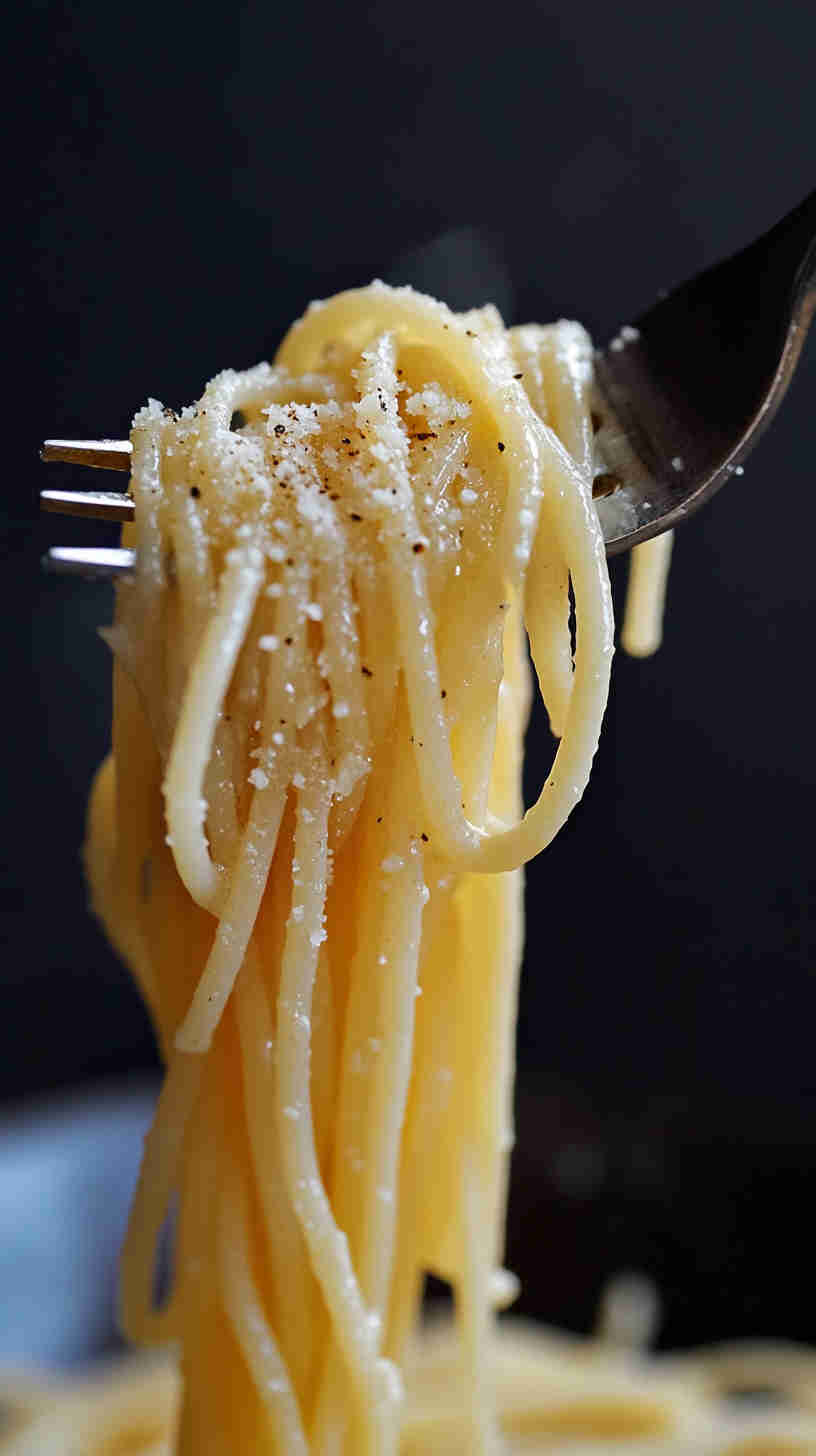
Cacio e Pepe – Roman Pasta Recipe
Ingredients
Method
- Bring a large pot of generously salted water (like seawater) to a rolling boil— this seasons your pasta perfectly from the start!
- While waiting, toast the whole black peppercorns in a dry skillet over medium heat for 2-3 minutes until fragrant and aromatic—shake often to avoid burning. This step unlocks incredible depth!
- Grind the toasted peppercorns coarsely (keep some texture for that signature bite).
- Finely grate the Pecorino Romano using a Microplane or the smallest holes on your grater—fluffy and fine is key for smooth melting.
- Drop the pasta into the boiling water and cook until just shy of al dente (about 1-2 minutes less than package instructions)—it’ll finish in the sauce.
- Reserve at least 2 cups of starchy pasta water before draining—trust me, you’ll need it!
- In a large skillet or the pasta pot off heat, add a ladle of hot pasta water and half the grated cheese—stir vigorously to create a creamy paste (add more water if needed for smoothness).
- Toss in the freshly ground pepper and mix—your kitchen will smell amazing at this point!
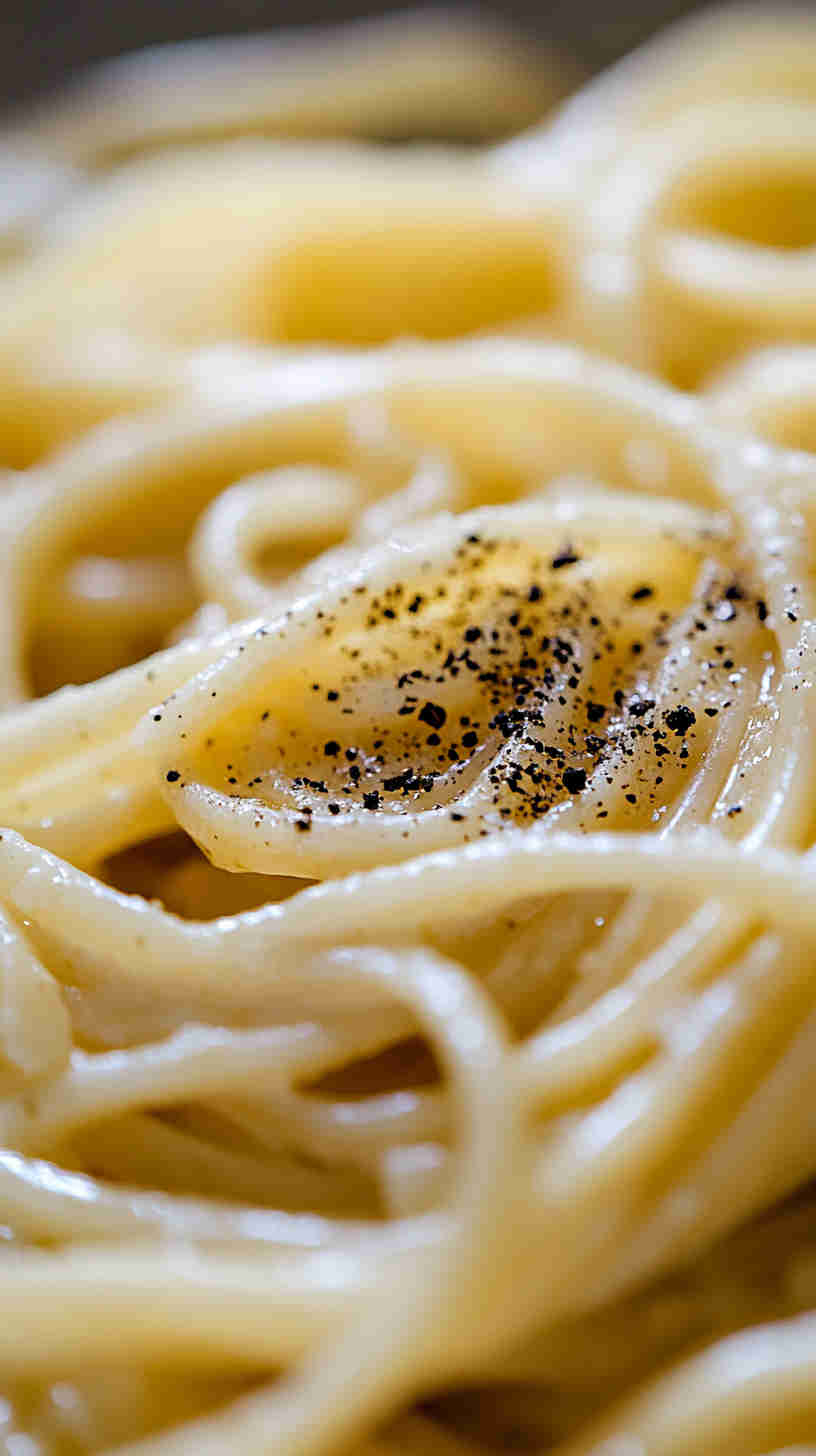
- Add the drained pasta to the skillet along with another splash of pasta water—toss energetically over low heat, adding cheese and water gradually until a glossy, silky sauce coats every strand beautifully.
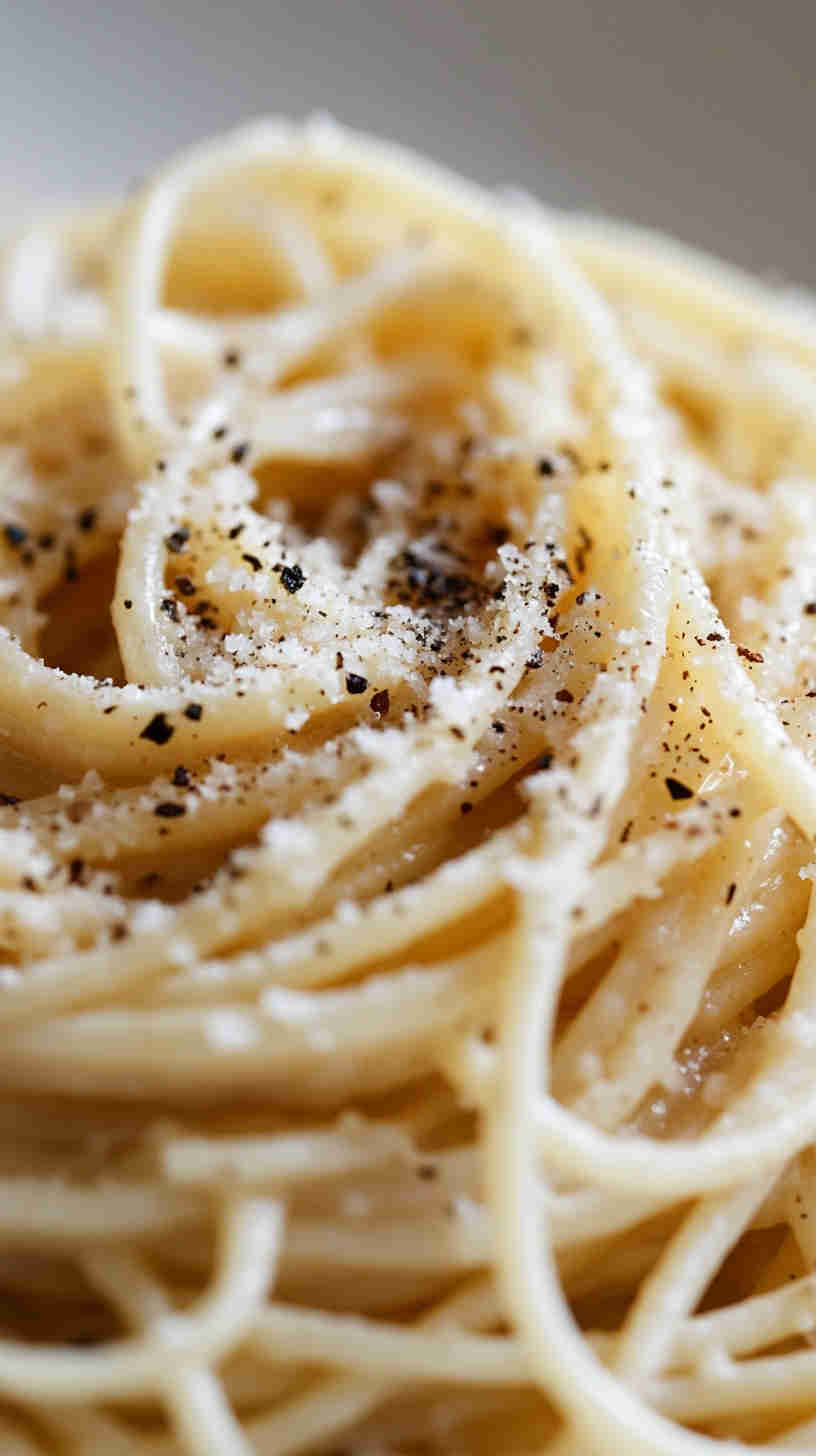
- Remove from heat immediately, plate hot, and finish with extra grated Pecorino and a grind of pepper—dig in right away for peak creaminess and joy!
Notes
- The sauce should be creamy and emulsified, not clumpy—patience and low heat prevent curdling.
- No oil, butter, or cream in the true Roman version—starchy water does the magic.
- Practice makes perfect; first tries might clump, but technique improves quickly!
Recipe Tips and Tricks
- Use high-quality Pecorino Romano (not Parmesan) and grate it finely on a Microplane for smooth melting—pre-grated cheese often clumps.
- Toast whole black peppercorns lightly in a dry pan before grinding to enhance their aroma and add subtle smokiness.
- Reserve plenty of pasta water; it’s the secret to the creamy sauce—add it gradually to avoid a watery result.
- Keep heat low when combining cheese to prevent clumping; remove the pan from heat if needed.
- Work quickly once the pasta is added—toss vigorously with tongs or a fork to emulsify everything into a glossy coating.
- Opt for bronze-die extruded pasta (like spaghetti or tonnarelli) for better sauce cling.
- Avoid oil or butter in the authentic version for true Roman flavor, though some add a touch for extra silkiness.
Ingredients Notes
The beauty of authentic Cacio e Pepe lies in its minimalist ingredient list, where quality matters immensely. Pecorino Romano DOP is essential—aged sheep’s milk cheese from Lazio or Sardinia, delivering sharp, salty, slightly tangy notes that create the signature creaminess when emulsified.
Avoid substitutes like Parmesan alone, as it lacks the same punch. Freshly ground black peppercorns are non-negotiable; pre-ground loses its vibrant, spicy oils—opt for whole Tellicherry or Malabar for bold heat. Pasta should be long and thin like spaghetti, bucatini, or traditional tonnarelli for optimal sauce adhesion. Kosher or sea salt seasons the pasta water generously (like the sea), but no extra salt in the sauce since Pecorino is salty enough. Pasta cooking water provides starch for emulsification—never skip reserving it!
Variations and Substitutions
While purists insist on the classic three-ingredient version, creative twists keep things exciting without straying too far. For a richer twist, blend 50/50 Pecorino Romano and Parmigiano-Reggiano for milder sharpness. Add a pat of butter or splash of olive oil during tossing for extra silkiness (though non-traditional).
Swap spaghetti for bucatini (hollow center catches more sauce), tonnarelli, or even short shapes like rigatoni for fun texture. For a milder pepper, use less or combine with white pepper. Vegetarian by nature, but add crispy guanciale or pancetta bits for a carbonara-like upgrade. Dairy-free? Nutritional yeast and plant-based cheese can mimic it, though flavor differs. Spice lovers might add red pepper flakes, while lemon zest brings brightness in modern takes.
Storage Options
Cacio e Pepe is best enjoyed fresh and hot, as the sauce can seize when reheated. Leftovers keep in an airtight container in the fridge for up to 2 days. Reheat gently in a skillet over low heat with a splash of water or reserved pasta water, tossing constantly to revive creaminess—avoid microwave to prevent clumping. Freezing isn’t recommended, as the sauce separates and becomes grainy.
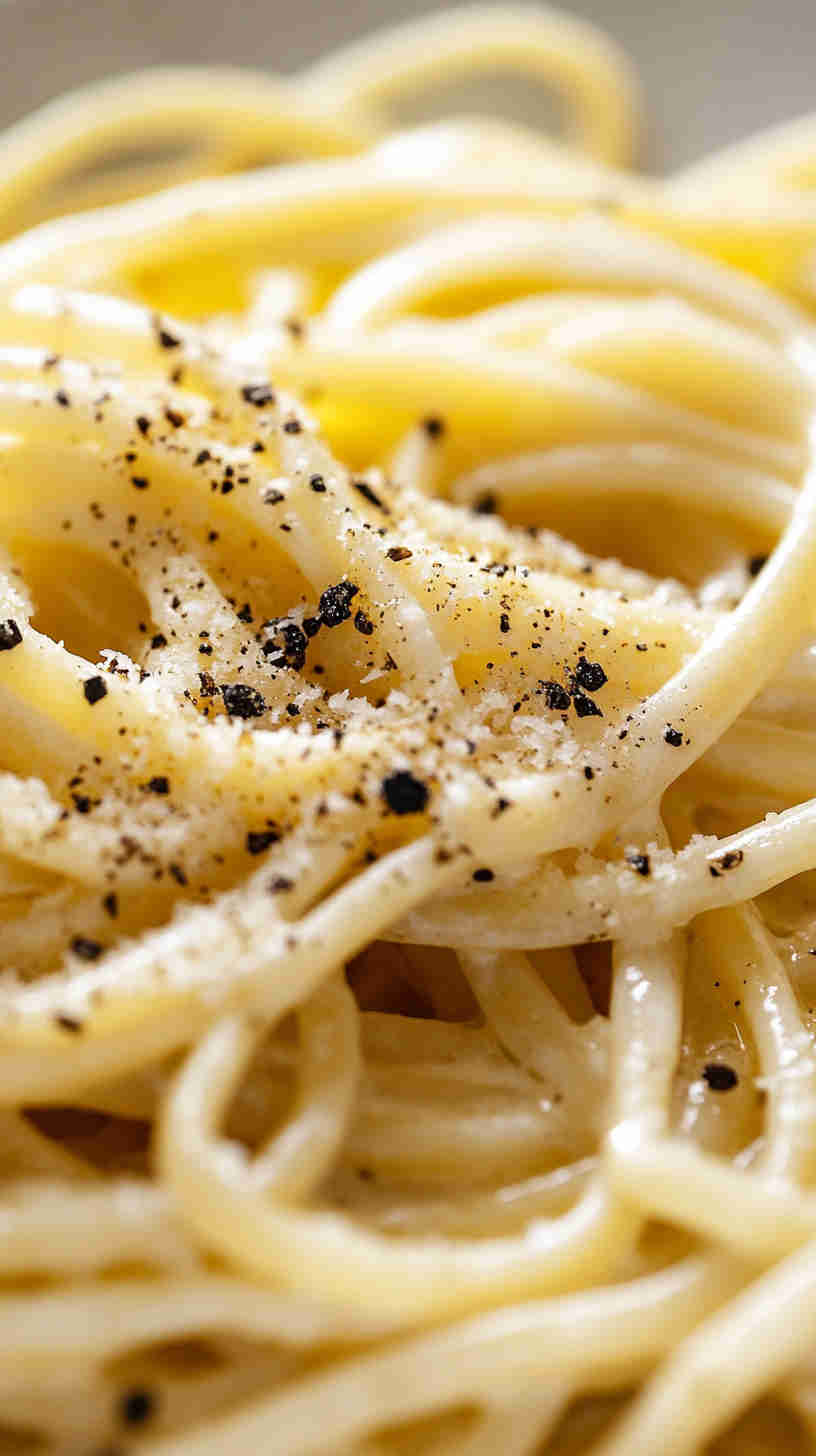
Dish Gallery


Let’s meet on next recipe. Until you can read Baked Ziti with Italian Sausage Recipe